


x

 Cubism
 90.0 x 90.0 cm
Ručně malovaná olejná barva na plátně ve vašem zvoleném rozměru i s rámem, vyrobená našimi umělci na zakázku. ( Přepnout na tisk Přepnout na obrázek)
Vyberte si z našich přednastavených velikostí, které odpovídají původním proporcím díla.

Můžete zadat vlastní rozměry pro konkrétní rám nebo prostor. Pokud se vámi vybraná velikost neshoduje s proporcemi původního obrazu, dílo buď ořízneme, nebo jej doplníme ručně malovanými prvky. Před zahájením výroby vám bude zaslán digitální náhled ke schválení.
Upozorňujeme, že náhled na obrazovce neodpovídá skutečnému ořezu ani rozšíření. Pouze digitální náhled přesně zobrazí finální kompozici.
Ačkoliv je možné zvolit vlastní velikost, pro zachování původních proporcí doporučujeme vybrat rozměr z předdefinovaného seznamu.
Celosvětová doprava () za 3–4 týdny namísto standardních 5 týdnů. (11 srpen). Bez kompromisů v kvalitě.


White Trebol
Rozměry reprodukce

Born in 1962 amidst the vibrant cultural landscape of Jalapa, Mexico, Gabriel Orozco has emerged as one of the most profound voices in contemporary art. His early years were steeped in the rich, politically charged atmosphere of the Mexican muralist tradition; as the son of Mario Orozco Rivera, a distinguished mural painter and professor, young Gabriel was often present in the studios of masters like David Alfaro Siqueiros. These formative experiences, where conversations on art and politics blended seamlessly with the act of creation, planted the seeds for an artistic practice that would eventually transcend borders and mediums. Moving to Mexico City as a child, he grew up surrounded by the weight of history, yet his path would lead him far beyond the confines of traditional muralism toward a more ephemeral and globalized aesthetic.
Orozco’s formal education provided the technical foundation for his later experimentation. After studying at the Escuela Nacional de Artes Plásticas between 1981 and 1984, he sought new horizons in Madrid, enrolling at the Círculo de Bellas Artes. It was during his time in Spain that a pivotal psychological shift occurred. Confronted with the experience of being an immigrant in a society that felt both avant-garde and deeply conservative, Orozco embraced a sense of vulnerability. This feeling of displacement and the tension between different cultural identities became a cornerstone of his work, allowing him to view the world through a lens of "otherness" that would later inform his explorations of geometry, everyday objects, and the transient nature of existence.
Gaining international acclaim in the early 1990s, Orozco redefined the boundaries of what an artist could inhabit. He refused to be tethered to a single medium, instead weaving together drawing, photography, sculpture, and installation into a cohesive, albeit fragmented, visual language. His work often finds beauty in the overlooked, utilizing found objects and geometric precision to create pieces that feel both spontaneous and meticulously calculated. This versatility led the critic Francesco Bonami to famously declare him "one of the most influential artists of this decade, and probably the next one too."
His artistic evolution is marked by several key characteristics:
Today, Gabriel Orozco remains a nomadic figure in the truest sense, dividing his time between Paris, New York, and Mexico City. This global lifestyle mirrors the fluidity of his art, which refuses to be anchored to a single geography or tradition. His significance lies in his ability to navigate the complexities of the modern world—addressing themes of cultural identity, vulnerability, and the intersection of politics and aesthetics without ever falling into didacticism. By finding the extraordinary within the ordinary, Orozco has left an indelible mark on the trajectory of contemporary art, teaching us to look closer at the fleeting moments that define our shared reality.

1962 - , Mexico
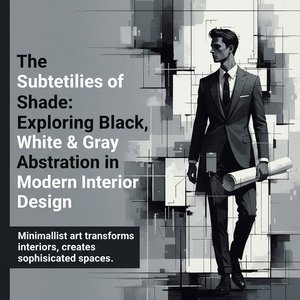
Prozkoumejte sílu černé, bílé a šedé v moderním interiéru! Odborný průvodce abstraktním uměním, psychologií barev a inspirace od mistrů jako Richter a Rothko. Vytvořte sofistikovaný prostor s Most-Famous-Paintings.

Objevte sílu minimalismu v umění! Prozkoumejte top 10 děl od Rothka, Maleviče a dalších. Inspirujte se jednoduchostí barev a tvarů pro váš interiér. Reprodukce obrazů nejvyšší kvality na Most-Famous-Paintings.com.
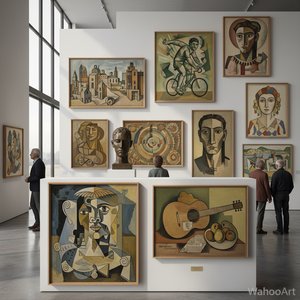
Prozkoumejte 10 ikonických děl kubismu od Picassa, Braquea a dalších. Objevte příběhy za slavnými obrazy, techniky a inspiraci pro váš interiér s reprodukcemi nejvyšší kvality na Most-Famous-Paintings.cz. Inspirujte se uměním!

Explore the evolution of geometric abstraction from Cubism to contemporary art. Discover key artists like Malevich & Mondrian, investment insights, and expert collecting advice at Most-Famous-Paintings.
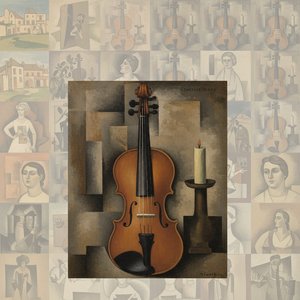
Prozkoumejte 25 ikonických děl Georges Braque, průkopníka kubismu. Objevte příběhy za obrazy, techniky a inspiraci tohoto francouzského mistra. Reprodukce obrazů v nejvyšší kvalitě na Most-Famous-Paintings.com.


Buďte na tahu s nejnovějšími novinkami ze světa umění, exkluzivními nabídkami a inspirativními nápady na dekoraci.
Sdělte nám více o svém projektu a naši odborníci na umění vám připraví 3 personalizované návrhy uměleckých děl.
Nechť pro vás vybereme 3 možnosti – zdarma!


 Náhled
 Sdílet
 Sdílet
 Podrobnosti o díle

 Stáhnout
 Podobné položky
 Rentgenové snímky
 Slideshow
 Zobrazit více




































 Skleněná varianta je dostupná pouze u rozměrů menších než 110 cm


