


x

Giclée nebo plátěný tisk muzeální kvality s rychlou výrobou a flexibilními možnostmi povrchové úpravy. ( Koupit ručně malovaný obraz Koupit obrázek)





























Vyberte si z našich přednastavených velikostí, které odpovídají původním proporcím díla.

Můžete zadat vlastní rozměry tak, aby výtvor odpovídal konkrétnímu rámu nebo prostoru. Pokud zvolená velikost nebude odpovídat poměru stran původního obrazu, dílo buď ořížeme, nebo obraz rozšíříme pomocí zrcadlového efektu či jednobarevného okraje. Před zahájením výroby vám bude zaslán digitální náhled k schválení.
Mějte prosím na paměti, že náhled na obrazovce neodráží skutečné oříznutí nebo rozšíření. Pouze digitální náhled přesně zobrazí finální kompozici.
Ačkoliv jsou k dispozici i vlastní rozměry, pro zachování původních proporcí doporučujeme vybrat si rozměr z předdefinovaného seznamu.
Celosvětové doručení () do 2 týdnů namísto standardních 4/5 týdnů. (23 srpen)


Seated Nude: Study for
Rozměry reprodukce
Georges Seurat's “Seated Nude: Study for” is not merely a drawing; it’s a distilled essence of the artist’s revolutionary approach to art, a poignant glimpse into his creative process. Completed in 1883, this monochromatic work immediately draws the viewer into a world of meticulous detail and profound emotional resonance. The subject – a male nude seated in profile – is rendered with an almost obsessive precision using dry point technique, creating a surface that vibrates with texture and depth. It’s a study, yes, but one brimming with a quiet dignity and vulnerability that transcends its preparatory status.
The composition centers on the figure's back and shoulders, subtly angled towards the viewer, inviting a sense of intimacy despite the formal restraint. The lower body is deliberately obscured by shadow, fostering an atmosphere of contemplation – a suggestion of introspection rather than overt sensuality. Seurat’s genius lies in his ability to convey complex emotion through deceptively simple forms. This isn't a celebration of the nude form; it’s a meditation on stillness, solitude, and perhaps even a touch of melancholy.
Executed with an extraordinary level of control, “Seated Nude” exemplifies Seurat's groundbreaking technique of Pointillism – or, as he termed it, chromoluminarism. Rather than blending colors directly on the canvas, Seurat employed thousands of tiny, distinct dots of pure color, meticulously arranged to create optical mixtures when viewed from a distance. This method, rooted in scientific observation of how the eye perceives light and color, was radically innovative for its time.
The drawing isn’t just about technique; it’s about the *process* of seeing and representing reality. Seurat wasn’t interested in simply copying what he saw; he was attempting to capture the very essence of light and form through a system of scientific observation.
“Seated Nude: Study for” emerged during a pivotal moment in art history – the transition from Impressionism to modernism. Georges Seurat, born in Paris in 1859, was deeply influenced by artists like Eugène Delacroix and the scientific theories of Charles Darwin, particularly regarding perception and color. He sought to move beyond the fleeting impressions of Impressionism and create a more structured, rational approach to art.
His work aligns with the broader intellectual currents of the late 19th century, reflecting a fascination with science, technology, and the pursuit of objective truth. Seurat’s meticulous methodology and his exploration of optical effects paved the way for later movements such as Neo-Impressionism and Fauvism. The drawing stands as a crucial bridge between these artistic traditions.
Beyond its technical brilliance, “Seated Nude” possesses a subtle yet powerful symbolic resonance. The pose itself – seated, contemplative, slightly vulnerable – evokes a sense of introspection and quiet dignity. The somber tone and the deliberate use of monochrome contribute to this atmosphere of melancholy and contemplation.
It’s important to note that Seurat was not simply depicting a nude figure; he was exploring themes of human experience—the beauty of stillness, the weight of solitude, and perhaps even the acceptance of mortality. This drawing invites us to pause, reflect, and consider our own place within the larger context of existence.

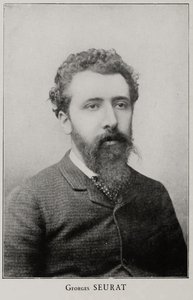
1859 - 1891 , Francie

Explore the scientific brilliance of Pointillism. Discover how masters like Georges Seurat revolutionized art through optical color mixing and the science of light. A definitive guide for classical art enthusiasts seeking to understand the physics behind Neo-Impressionist masterpieces.


Buďte na tahu s nejnovějšími novinkami ze světa umění, exkluzivními nabídkami a inspirativními nápady na dekoraci.
Sdělte nám více o svém projektu a naši odborníci na umění vám připraví 3 personalizované návrhy uměleckých děl.
Nechť pro vás vybereme 3 možnosti – zdarma!


 Náhled
 Sdílet
 Sdílet
 Podrobnosti o díle

 Stáhnout
 Podobné položky
 Rentgenové snímky
 Slideshow


 Zobrazit více







 Skleněná varianta je dostupná pouze u rozměrů menších než 110 cm


