


x

Ručně malovaná olejná barva na plátně ve vašem zvoleném rozměru i s rámem, vyrobená našimi umělci na zakázku. ( Koupit tisk Koupit obrázek)
Vyberte si z našich přednastavených velikostí, které odpovídají původním proporcím díla.

Můžete zadat vlastní rozměry pro konkrétní rám nebo prostor. Pokud se vámi vybraná velikost neshoduje s proporcemi původního obrazu, dílo buď ořízneme, nebo jej doplníme ručně malovanými prvky. Před zahájením výroby vám bude zaslán digitální náhled ke schválení.
Upozorňujeme, že náhled na obrazovce neodpovídá skutečnému ořezu ani rozšíření. Pouze digitální náhled přesně zobrazí finální kompozici.
Ačkoliv je možné zvolit vlastní velikost, pro zachování původních proporcí doporučujeme vybrat rozměr z předdefinovaného seznamu.
Celosvětová doprava () za 3–4 týdny namísto standardních 5 týdnů. (16 srpen). Bez kompromisů v kvalitě.


The holy face 2
Rozměry reprodukce
Georges Rouault’s “The Holy Face 2” is not merely a depiction of a man's head; it’s an immersion into the heart of spiritual seeking, a testament to the artist’s deeply held convictions and his unique approach to portraying human suffering. Painted in the late 19th/early 20th century, this work embodies Rouault’s signature style – a bold, almost brutal honesty rendered through meticulously crafted dark contours framing luminous color fields. The image, dominated by stark black and yellow hues, immediately draws the viewer into a space of intense contemplation, echoing the artist's own profound faith.
The subject itself, a representation of Christ’s face, is presented with an unflinching realism. The slightly closed mouth suggests a quiet acceptance, while the open eyes convey a sense of enduring sorrow and perhaps even a glimmer of hope. Rouault deliberately avoids idealized beauty; instead, he offers a portrait of vulnerability and sacrifice – a deliberate choice reflecting his commitment to depicting the marginalized and suffering within society. The blue square background isn’t simply an aesthetic element; it serves to isolate and amplify the figure's solemnity, creating a visual echo of the religious iconography prevalent in medieval art, particularly stained glass.
Rouault’s artistic lineage is immediately apparent. His apprenticeship as a glass painter at fourteen profoundly shaped his aesthetic sensibilities, imbuing him with a deep understanding of color and form. This influence manifests powerfully in “The Holy Face 2” through the heavy black contouring – reminiscent of leaded glass – that defines the figure's features. These bold outlines aren’t merely decorative; they create a sense of depth and solidity, anchoring the image within a tangible space. The luminous yellow fields surrounding the face are equally significant, recalling the vibrant hues of stained glass and suggesting an inner radiance, a spiritual light emanating from Christ himself.
The painting's texture is deliberately rough, achieved through Rouault’s layering of oil paint – a technique he honed during his printmaking training. This tactile quality adds to the work’s emotional impact, conveying a sense of age and wear, as if the image has borne witness to centuries of devotion. The composite process, incorporating etching on paper, overlaying oil paint, and mounting on a wooden board, further emphasizes this layered approach – mirroring the complexities of faith and human experience.
“The Holy Face 2” resonates deeply with the devotional practices surrounding images of Christ’s face, particularly those associated with the “Holy Faces” tradition. Like the depictions found in the Shroud of Turin or the image on the Veronica veil, this painting seeks to evoke empathy and contemplation of Christ's suffering. Rouault’s work aligns with Gustave Moreau’s concept of “inner vision,” aiming not for a literal representation but rather an emotional response within the viewer. The redemptive tone, reminiscent of "Miserere et Guerre," suggests a profound engagement with themes of sacrifice, repentance, and ultimately, salvation.
Furthermore, Rouault's artistic trajectory – from his early fascination with religious symbolism to his later embrace of Expressionism – is evident in this piece. The stark contrasts, the heightened emotionality, and the focus on human vulnerability all point to a deeply personal and spiritually driven artistic vision. “The Holy Face 2” stands as a powerful testament to Rouault’s enduring legacy as one of France's most significant and emotionally resonant artists.


1871 - 1958 , Francie
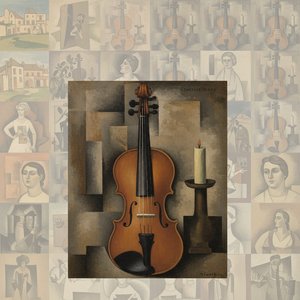
Prozkoumejte 25 ikonických děl Georges Braque, průkopníka kubismu. Objevte příběhy za obrazy, techniky a inspiraci tohoto francouzského mistra. Reprodukce obrazů v nejvyšší kvalitě na Most-Famous-Paintings.com.
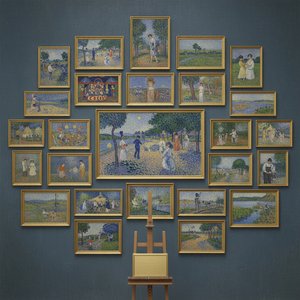
Prozkoumejte 25 ikonických děl Georges Seurata – průkopníka impresionismu a bodové techniky. Objevte příběhy za slavnými obrazy, barevnou teorii a inspirujte se pro váš interiér s reprodukcemi nejvyšší kvality na Most-Famous-Paintings.com.
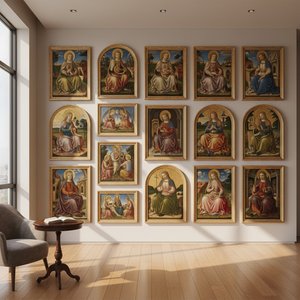
Objevte 25 ikonických děl Fra Angelica – renesančního mistra andělských freskek a náboženských maleb. Prozkoumejte jeho techniku, inspiraci a duchovní poselství. Luxusní reprodukce obrazů pro váš interiér na Most-Famous-Paintings.cz

Prozkoumejte 25 ikonických děl El Greco – španělského mistra renesance a baroka. Obdivujte jeho duchovní malby, portréty a unikátní styl na Most-Famous-Paintings.com. Reprodukce obrazů pro váš interiér.

Explore the rich history of religious iconography in art! Discover symbolism, movements & masterpieces from Byzantine to Renaissance periods. Expert insights for collectors and enthusiasts at Most-Famous-Paintings.


Buďte na tahu s nejnovějšími novinkami ze světa umění, exkluzivními nabídkami a inspirativními nápady na dekoraci.
Sdělte nám více o svém projektu a naši odborníci na umění vám připraví 3 personalizované návrhy uměleckých děl.
Nechť pro vás vybereme 3 možnosti – zdarma!


 Náhled
 Sdílet
 Sdílet
 Podrobnosti o díle

 Stáhnout
 Podobné položky
 Rentgenové snímky
 Slideshow

 Zobrazit více




































 Skleněná varianta je dostupná pouze u rozměrů menších než 110 cm


