Prodávejte své umění
Seznam přání Nákupní košík Cart
NáhledNáhled Náhled v ARNáhled v AR Přepnout na tisk Přepnout na tiskPřepnout na obrázek Přepnout na obrázek SdíletSdílet
Podrobnosti o dílePodrobnosti o díle Přidat do oblíbených Přidat do oblíbených StáhnoutStáhnout Podobné položkyPodobné položky Rentgenové snímkyRentgenové snímky SlideshowSlideshow

Untitled (D2X7PJ)

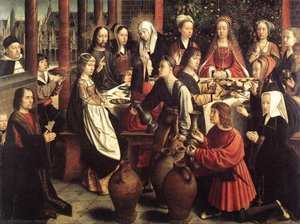
Discover Gerard David's 'Untitled (D2X7PJ)' – an exquisite 1510 Flemish masterpiece depicting angels and a bird, showcasing his masterful use of color and religious symbolism.

Gerard David (1460-1523) byl významný vlámský malíř, známý svými živými barvami a detailními náboženskými obrazy s inovativnímpojemem krajiny. Jeho díla jsou klíčová pro ranou severoevropskou malbu.

Ručně malovaná olejová reprodukce

Ručně malovaná olejná barva na plátně ve vašem zvoleném rozměru i s rámem, vyrobená našimi umělci na zakázku. (Přepnout na tisk Přepnout na tiskPřepnout na obrázek Přepnout na obrázek)

P118B $10
P118H $10
P118W $10
P438Z $10
P508JH $12
P508YH $12
P805H $10
P805Z $10
P919BZ $10
P919G $10
P919XJ $10
P959ZH $10
P968JZ $12
W106C $8
W218G $10
W218JH $8
W218Y $10
W307PJ $10
W316G $10
W316PJ $8
W316Y $10
W398PJ $8
W4111J $10
W500HY $15
W500JH $15
W692G $12
W849H $8
W940BG $15
W953PJ $8

Standard
custom
CM
INCH

Vyberte si z našich přednastavených velikostí, které odpovídají původním proporcím díla.

šířka
výška

Můžete zadat vlastní rozměry pro konkrétní rám nebo prostor. Pokud se vámi vybraná velikost neshoduje s proporcemi původního obrazu, dílo buď ořízneme, nebo jej doplníme ručně malovanými prvky. Před zahájením výroby vám bude zaslán digitální náhled ke schválení.
Upozorňujeme, že náhled na obrazovce neodpovídá skutečnému ořezu ani rozšíření. Pouze digitální náhled přesně zobrazí finální kompozici.
Ačkoliv je možné zvolit vlastní velikost, pro zachování původních proporcí doporučujeme vybrat rozměr z předdefinovaného seznamu.

Příklady možných změn: Nahrazení obličeje vlastní fotografií; Přidání domácího mazlíčka (např. nahrazení kočky psem); Vložení skrytého vzkazu do pozadí; Změna krajiny nebo prvků v pozadí.
Po přijetí objednávky vám tým Most-Famous-Paintings.com zašle e-mail s pokyny a poskytne náhledovou verzi.

Celosvětová doprava () za 3–4 týdny namísto standardních 5 týdnů. (10 srpen). Bez kompromisů v kvalitě.

why_choose_icon
Zdarma celosvětová expresní doprava
why_choose_icon
Vysoce kvalitní lněné plátno
why_choose_icon
Kompletní přepravní pojištění
why_choose_icon
Záruka vrácení celního poplatku
why_choose_icon
Záruka přesného barevného shodu
why_choose_icon
60denní lhůta pro vrácení zboží (pouze při vadách výroby)
why_choose_icon
100% garance vrácení peněz
why_choose_icon
Sleva při hromadné objednávce

Celková cena

$ 272

reproduction

Untitled (D2X7PJ)

Technika reprodukce

Rozměry reprodukce

-

Celková cena za výběr

$ 272

Základní informace

  • Subject or theme: Biblical scene
  • Artistic style: Religious painting
  • Year: 1510
  • Title: Untitled (D2X7PJ)
  • Movement: Northern Renaissance
  • Notable elements: Angels, Bird
  • Artist: Gerard David

Kvíz o umění

U každé otázky je pouze jedna správná odpověď.

Otázka 1:
What is the primary subject depicted in Gerard David’s ‘Untitled (D2X7PJ)’?
Otázka 2:
According to the image description, what is prominent in the upper right corner of the painting?
Otázka 3:
In what year was ‘Untitled (D2X7PJ)’ likely created, based on the provided information?
Otázka 4:
Gerard David is primarily associated with which artistic movement?
Otázka 5:
What is a notable characteristic of Gerard David’s style, as described in the provided text?

Popis díla

A Glimpse into the Soul of Early Netherlandish Painting

Gerard David’s “Untitled (D2X7PJ),” a captivating religious scene rendered in oil on panel around 1510, offers more than just a visual experience; it's a portal into the contemplative heart of early Renaissance Flanders. Born in Oudewater and trained under Albert van Oudewater, David quickly established himself as a leading figure in Bruges’ vibrant artistic community, inheriting and refining the traditions of his predecessors while simultaneously forging a uniquely personal style. This particular work, often referred to simply as “The Angel Gabriel Announcing the Virgin,” exemplifies this delicate balance – a masterful synthesis of meticulous detail, luminous color, and profound spiritual depth.

The painting depicts a serene moment within the Annunciation narrative: the Archangel Gabriel appears before the Virgin Mary, delivering the momentous news that she will conceive and bear the Son of God. David’s approach diverges subtly from the more rigidly formal depictions prevalent at the time. While retaining elements of late medieval iconography – the carefully positioned halos, the symbolic gestures – he imbues the scene with a remarkable sense of intimacy and naturalism. The figures are not presented as distant deities but rather as human beings caught in a profound exchange, their expressions conveying both surprise and acceptance.

The Language of Light and Color

David’s genius lies primarily in his manipulation of light and color. He eschews the stark contrasts favored by some of his contemporaries, opting instead for a subtle, almost ethereal illumination that permeates the entire composition. This “Flemish Light,” as it's often called, creates an atmosphere of quiet reverence and imbues the scene with a sense of otherworldly beauty. The palette is restrained yet remarkably rich – deep blues and purples dominate the background, contrasted by the warm, creamy tones of Mary’s robes and the radiant glow surrounding Gabriel. Notice how he uses layering of translucent glazes to build up depth and luminosity, capturing the delicate textures of fabric and skin with astonishing precision.

The artist's attention to detail is equally remarkable. The folds of Mary’s garments are rendered with meticulous care, each crease and pleat conveying a sense of volume and movement. Gabriel’s wings, depicted in shimmering gold leaf, seem to radiate light, while the delicate details of the angel’s face – his serene expression, the subtle curve of his lips – reveal a profound understanding of human anatomy and emotion.

Symbolism and Spiritual Resonance

Beyond its aesthetic beauty, “Untitled (D2X7PJ)” is rich in symbolic meaning. The dove, hovering above the scene, represents the Holy Spirit, while the lilies adorning Mary’s hands symbolize purity and virginity. The carefully chosen gestures of both figures – Gabriel’s outstretched hand offering the message, Mary’s receptive posture – underscore the central theme of divine grace and human humility. This is not merely a depiction of an event; it's a meditation on faith, obedience, and the profound mystery of God’s plan.

Furthermore, David’s choice to portray this pivotal moment with such quiet contemplation reflects the prevailing spiritual currents of his time – a shift away from the more overtly dramatic representations of religious subjects that had characterized earlier periods. He invites the viewer not just to observe but to participate in the scene, fostering a sense of personal connection and spiritual reflection.

A Timeless Masterpiece for Today

“Untitled (D2X7PJ)” stands as a testament to Gerard David’s artistic genius and his enduring legacy. Reproduced faithfully by Most-Famous-Paintings.com, this painting continues to captivate audiences with its beauty, serenity, and profound spiritual resonance. Whether adorning a private residence or gracing the walls of a museum, it serves as a poignant reminder of the power of art to transcend time and connect us to something larger than ourselves. Its subtle colors and evocative imagery create an atmosphere of peace and contemplation – a perfect addition to any space seeking beauty, depth, and a touch of timeless grace.


Biografie umělce

A Master of Flemish Light: The Enigmatic World of Gerard David

Gerard David, a name that resonates with the brilliance of early Netherlandish painting, remains an artist shrouded in intriguing mystery. Born around 1460 in Oudewater, Netherlands, his life story is pieced together from fragmented archival records and the eloquent testimony of his art. Unlike some contemporaries whose lives are richly documented, David’s personal narrative is sparse, allowing his paintings to speak volumes where biographical details fall silent. What is known suggests a remarkably successful career, likely managing workshops in both Antwerp and Bruges – centers of artistic innovation during the Renaissance. His reputation experienced an ebb in the 17th century, only to be gloriously resurrected by 19th-century art historians who recognized his unique contributions to the Northern Renaissance. He was inducted as a free master into the Corporation of Imagemakers and Saddlers in Bruges in 1484, marking a pivotal moment in his ascent. His later involvement with the Antwerp guild in 1515 further solidifies his standing within the artistic community.

Formative Influences and Artistic Development

David’s artistic journey began under influences that shaped the very foundation of his style. Early works reveal a clear debt to painters like Jacob Janszoon, Dieric Bouts, and Geertgen tot Sint Jans – masters who instilled in him a meticulous attention to detail and a sensitivity to religious narrative. It is believed he spent time in Haarlem absorbing these lessons before relocating to Bruges, a vibrant hub of artistic exchange attracting talent from across Europe. Here, David encountered the masterpieces of Jan van Eyck, Rogier van der Weyden, and Hans Memling, absorbing their techniques while forging his own distinct path. He didn’t merely imitate; he synthesized these influences into something uniquely his own – a style characterized by luminous color, serene compositions, and an increasingly sophisticated understanding of landscape. His early paintings demonstrate this evolution, moving from the doll-like figures reminiscent of Haarlem traditions towards more sculptural forms grounded in their environment. Consider *Christ Nailed to the Cross*; it’s not simply a depiction of suffering but a study in volume and light, reflecting Bouts' spatial construction combined with David’s burgeoning coloristic sensibility. This transition is further evident in his early depictions of the Virgin Mary, moving away from the stylized poses of earlier masters towards a more naturalistic portrayal.

Innovation in Landscape and Religious Narrative

Gerard David’s artistic signature lies in his innovative approach to both landscape and religious subject matter. He wasn't simply depicting backgrounds; he was creating immersive environments that enhanced the emotional resonance of his scenes. His landscapes are not merely decorative, but integral components of the narrative, often imbued with symbolic meaning. This fascination with natural settings – dense forests, rolling hills, expansive skies – set him apart from many of his contemporaries and foreshadowed the development of landscape painting as an independent genre. His *View in a Forest*, part of a triptych, exemplifies this approach. It’s not simply a representation of trees; it's a world unto itself, rendered with meticulous detail and atmospheric perspective – capturing the dappled light filtering through the branches and creating a sense of depth and mystery. Within his religious works, David demonstrated a remarkable ability to convey both profound spirituality and human emotion. Paintings like *The Marriage of St. Catherine* exemplify this skill. The scene is rendered with exquisite detail, yet it’s the subtle expressions on the figures' faces – their piety, contemplation, or gentle joy – that truly captivate the viewer. He possessed a gift for imbuing his sacred subjects with a sense of quiet dignity and relatable humanity. The *Triptych of the Madonna Enthroned and Saints* in Genoa showcases this mastery, presenting a harmonious composition filled with vibrant color and delicate detail. The use of perspective and the integration of figures within the landscape create a powerful sense of realism and emotional depth. His *Virgin Among the Virgins*, donated to the Carmelite nuns of Sion at Bruges, is another testament to his skill, featuring a self-portrait within the painting itself – a rare and intimate gesture from an artist of his time, suggesting a personal connection between the creator and his subject.

Major Achievements and Artistic Style

David’s career spanned several decades, during which he produced a remarkable body of work that established him as one of the leading artists of his generation. He was particularly renowned for his altarpieces – monumental works that combined religious narrative with intricate landscapes and detailed figures. The *Judgment of Cambyses* (two panels) and the triptych of the *Baptism of Christ* in Bruges are prime examples of his skill and ambition. These paintings demonstrate his mastery of color, composition, and perspective, as well as his ability to create a sense of drama and emotion. His style is characterized by a luminous palette, often employing rich reds, blues, and golds. He paid meticulous attention to detail, rendering fabrics, textures, and facial expressions with remarkable accuracy. Furthermore, David was one of the first Northern Renaissance painters to incorporate elements of Italian Renaissance art into his work, particularly in his use of perspective and the depiction of classical figures. His later works show a shift towards greater simplification and abstraction, reflecting the influence of artists like Ambrosius Benson, who worked as his assistant.

Legacy and Enduring Influence

Though his fame waned for a period after his death in 1523, Gerard David’s influence on subsequent generations of artists is undeniable. His innovative use of color, his masterful handling of light and shadow, and his pioneering approach to landscape all left an indelible mark on the development of Flemish painting. He paved the way for artists who would further explore the expressive potential of natural settings, such as Jacob Patinir and Jacob van Ruisdael.
  • A Bridge Between Traditions: David successfully bridged the gap between the late medieval tradition and the emerging Renaissance style.
  • Influence on Landscape Painting: His detailed and atmospheric landscapes foreshadowed the development of landscape as a distinct genre.
  • Masterful Colorist: He was renowned for his vibrant palette and skillful use of color to create emotional impact.
Today, David’s works are celebrated in museums and collections around the world, including the Groeninge Museum in Bruges, which houses an impressive collection of his paintings. His art continues to inspire awe and admiration, offering a glimpse into the spiritual and artistic landscape of the Northern Renaissance. Exploring his oeuvre is not merely studying art history; it’s entering a world of luminous beauty, profound contemplation, and enduring human emotion – a testament to the genius of Gerard David, a master of Flemish light.

Exploring Further

  • Most-Famous-Paintings.com: Discover an extensive collection of Gerard David’s paintings, including *The Adoration of the Magi*.
  • View in a Forest: Explore this stunning Northern Renaissance landscape painting.
  • The Early Netherlandish Art Movement: Delve deeper into the artistic context of David’s work.
Gerard David

Gerard David

1450 - 1523 , Nizozemsko

Rychlé fakta

  • Artistic Movement Or Style: Raně netherlandská malba
  • Artists Or Movements Influenced By This Artist: ['Italská renesance']
  • Artists Who Influenced This Artist:
    • Jacob Janszoon
    • Dieric Bouts
    • Geertgen tot Sint Jans
  • Date Of Birth: c. 1460
  • Date Of Death: 1523
  • Full Name: Gerard David
  • Nationality: Nizozemec
  • Notable Artworks:
    • Svatba sv. Kateřiny
    • Madona na trůně
    • Vzhled v lese
  • Place Of Birth: Oudewater, Nizozemsko
Prozkoumejte umělecká díla uspořádaná podle témat, stylů a charakteristik.