x

Ručně malovaná olejná barva na plátně ve vašem zvoleném rozměru i s rámem, vyrobená našimi umělci na zakázku. ( Koupit tisk Koupit obrázek)





























Vyberte si z našich přednastavených velikostí, které odpovídají původním proporcím díla.

Můžete zadat vlastní rozměry pro konkrétní rám nebo prostor. Pokud se vámi vybraná velikost neshoduje s proporcemi původního obrazu, dílo buď ořízneme, nebo jej doplníme ručně malovanými prvky. Před zahájením výroby vám bude zaslán digitální náhled ke schválení.
Upozorňujeme, že náhled na obrazovce neodpovídá skutečnému ořezu ani rozšíření. Pouze digitální náhled přesně zobrazí finální kompozici.
Ačkoliv je možné zvolit vlastní velikost, pro zachování původních proporcí doporučujeme vybrat rozměr z předdefinovaného seznamu.
Celosvětová doprava () za 3–4 týdny namísto standardních 5 týdnů. (18 srpen). Bez kompromisů v kvalitě.


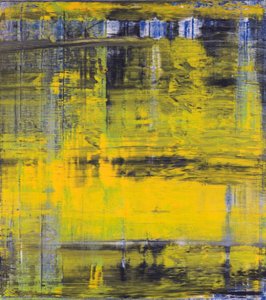
19.3.92
Rozměry reprodukce
Gerhard Richter’s “19.3.92” isn’t merely a painting; it’s a carefully constructed echo of memory, a meditation on the shifting nature of perception, and a testament to the artist’s masterful manipulation of abstract expressionism. Painted in 1992, this work immediately draws the viewer into a scene both familiar and subtly unsettling – a field ablaze with yellow flowers set against the imposing silhouette of distant mountains. The composition feels deliberately incomplete, as if Richter has captured a fleeting impression rather than striving for photographic realism, mirroring perhaps the fragmented nature of recollection itself. The painting’s power lies not in its literal depiction but in the emotional resonance it evokes – a sense of quiet contemplation mingled with an underlying current of melancholy.
To fully appreciate “19.3.92,” it’s crucial to understand Richter's personal history. Born in Dresden in 1932, his childhood was profoundly shaped by the tumultuous events of World War II and the subsequent division of Germany. His family’s repeated moves during this period instilled a deep sense of displacement and uncertainty – emotions that undoubtedly inform his work. The painting can be seen as an attempt to grapple with these experiences, not through direct narrative but through the evocative language of color and form. The mountains in the background, often interpreted as representing the imposing presence of authority or perhaps even the weight of history, add a layer of complexity to the scene.
The dominant yellow flowers are more than just a decorative element; they symbolize hope, joy, and the fleeting beauty of nature. However, their scattered arrangement and the muted tones of the surrounding landscape suggest a bittersweetness – an awareness that these moments of happiness are often transient. The vastness of the mountains serves as a counterpoint to this intimacy, reminding us of our own smallness in the face of the natural world. “19.3.92” is ultimately a painting about the delicate balance between memory and reality, hope and despair, beauty and loss. It invites viewers to contemplate their own personal histories and the enduring power of human experience.


1932 - , Německo

Explore the profound history and emotional depth of Abstract Expressionism. From Jackson Pollock to Mark Rothko, master the nuances of the New York School through our expert art history guide. Discover museum-quality hand-painted reproductions for your collection.


Buďte na tahu s nejnovějšími novinkami ze světa umění, exkluzivními nabídkami a inspirativními nápady na dekoraci.
Sdělte nám více o svém projektu a naši odborníci na umění vám připraví 3 personalizované návrhy uměleckých děl.
Nechť pro vás vybereme 3 možnosti – zdarma!


 Náhled
 Sdílet
 Sdílet
 Podrobnosti o díle

 Stáhnout
 Podobné položky
 Rentgenové snímky
 Slideshow

 Zobrazit více







 Skleněná varianta je dostupná pouze u rozměrů menších než 110 cm