x

Ručně malovaná olejná barva na plátně ve vašem zvoleném rozměru i s rámem, vyrobená našimi umělci na zakázku. ( Koupit tisk Koupit obrázek)





























Vyberte si z našich přednastavených velikostí, které odpovídají původním proporcím díla.

Můžete zadat vlastní rozměry pro konkrétní rám nebo prostor. Pokud se vámi vybraná velikost neshoduje s proporcemi původního obrazu, dílo buď ořízneme, nebo jej doplníme ručně malovanými prvky. Před zahájením výroby vám bude zaslán digitální náhled ke schválení.
Upozorňujeme, že náhled na obrazovce neodpovídá skutečnému ořezu ani rozšíření. Pouze digitální náhled přesně zobrazí finální kompozici.
Ačkoliv je možné zvolit vlastní velikost, pro zachování původních proporcí doporučujeme vybrat rozměr z předdefinovaného seznamu.
Celosvětová doprava () za 3–4 týdny namísto standardních 5 týdnů. (18 srpen). Bez kompromisů v kvalitě.


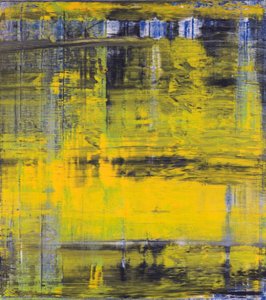
Untitled (167)
Rozměry reprodukce
Gerhard Richter's "Untitled (167)," a seemingly simple black and white photograph of a woman nursing her child, is far more than a portrait; it’s a profound exploration of memory, time, and the inherent ambiguity of representation. Created in an era deeply marked by division – Richter’s childhood unfolded under the shadow of post-war Germany and the subsequent rise of authoritarianism – the work speaks to a persistent sense of uncertainty and a questioning spirit that would become hallmarks of his artistic practice. This photograph, created around 1989, captures a tender yet subtly unsettling moment, inviting viewers to contemplate the fragility of human connection and the elusive nature of recollection.
Richter’s approach is characteristic of his broader oeuvre: he masterfully employs techniques borrowed from both photography and painting. The image itself isn't a direct reproduction but rather an interpretation, a distillation of memory through the lens of the camera. Richter frequently worked with photographs, often creating multiple versions of the same subject – a technique that highlights the subjective nature of visual perception. Here, he’s not simply documenting reality; he’s constructing a narrative, layering meaning onto a seemingly straightforward scene. The stark black and white palette further emphasizes this process, stripping away extraneous detail and focusing attention on form, texture, and the emotional weight of the figures.
A key element of Richter’s work – and particularly evident in “Untitled (167)” – is his use of absence. The background figures are deliberately vague, their identities obscured by distance and shadow. This deliberate lack of specificity forces the viewer to actively participate in constructing the scene, filling in the gaps with their own memories and associations. The woman’s gaze, fixed intently on her child, is both loving and distant, suggesting a complex mix of emotions – perhaps nostalgia, worry, or simply the quiet contemplation that accompanies motherhood. The baby's proximity to her chest isn’t merely a depiction of physical closeness; it symbolizes nourishment, protection, and the continuity of life.
Richter’s technique is deceptively simple. He utilizes a soft focus, characteristic of his ‘photorealistic’ period, lending the image an almost dreamlike quality. The subtle gradations of tone create a sense of depth and atmosphere, while the slightly blurred edges contribute to the feeling that we are glimpsing a memory rather than witnessing a concrete event. This blurring is not a flaw but a deliberate artistic choice, mirroring the imperfect nature of recollection itself – how memories fade, shift, and ultimately become reconstructions.
“Untitled (167)” was created during a period when Gerhard Richter's work began to be recognized for its exploration of the complexities of post-war Germany. His style, often described as “Capitalist Realism,” reflected the societal shifts and anxieties of the time. This approach involved creating paintings that mimicked the appearance of photographs but lacked their inherent truthfulness – a deliberate commentary on the increasing reliance on media and the manipulation of reality. The photograph’s quiet intimacy contrasts sharply with the grand narratives often associated with historical art, suggesting a focus on the individual experience within a broader context of societal change.
Richter's work during this period was deeply influenced by his personal history – his childhood experiences under Nazi rule and the subsequent division of Germany. The photograph’s sense of vulnerability and uncertainty can be interpreted as a reflection of this historical trauma, a quiet acknowledgment of the enduring impact of past events on the present.
Despite its subtle complexities, “Untitled (167)” ultimately offers a profoundly moving portrayal of human connection. The image transcends specific details and speaks to universal themes of love, care, and the passage of time. It’s a reminder that even in moments of quiet intimacy, there is always an element of mystery and ambiguity. Richter's masterful use of light, shadow, and composition creates a work that is both visually arresting and emotionally resonant – a testament to his enduring legacy as one of the most important artists of our time.

1932 - , Německo

Explore the profound artistry of black and white photography. From the chemistry of gelatin silver to the chiaroscuro of the Old Masters, discover how monochrome captures the eternal essence of light, form, and emotion for the discerning art collector.

Explore the profound history of documentary photography. From early daguerreotypes to social reform movements, discover how the lens captures truth, preserves vanishing cultures, and shapes our global visual narrative through an expert art-historical lens.


Buďte na tahu s nejnovějšími novinkami ze světa umění, exkluzivními nabídkami a inspirativními nápady na dekoraci.
Sdělte nám více o svém projektu a naši odborníci na umění vám připraví 3 personalizované návrhy uměleckých děl.
Nechť pro vás vybereme 3 možnosti – zdarma!


 Náhled
 Sdílet
 Sdílet
 Podrobnosti o díle

 Stáhnout
 Podobné položky
 Rentgenové snímky
 Slideshow
 Zobrazit více







 Skleněná varianta je dostupná pouze u rozměrů menších než 110 cm