x

 Contemporary Realism
 1990
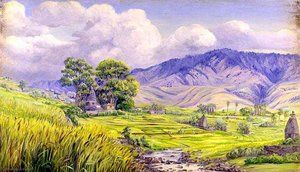
1990 76.0 x 61.0 cm
 Kerala Museum
Giclée nebo plátěný tisk muzeální kvality s rychlou výrobou a flexibilními možnostmi povrchové úpravy. ( Koupit ručně malovaný obraz Koupit obrázek)





























Vyberte si z našich přednastavených velikostí, které odpovídají původním proporcím díla.

Můžete zadat vlastní rozměry tak, aby výtvor odpovídal konkrétnímu rámu nebo prostoru. Pokud zvolená velikost nebude odpovídat poměru stran původního obrazu, dílo buď ořížeme, nebo obraz rozšíříme pomocí zrcadlového efektu či jednobarevného okraje. Před zahájením výroby vám bude zaslán digitální náhled k schválení.
Mějte prosím na paměti, že náhled na obrazovce neodráží skutečné oříznutí nebo rozšíření. Pouze digitální náhled přesně zobrazí finální kompozici.
Ačkoliv jsou k dispozici i vlastní rozměry, pro zachování původních proporcí doporučujeme vybrat si rozměr z předdefinovaného seznamu.
Celosvětové doručení () do 2 týdnů namísto standardních 4/5 týdnů. (15 srpen)


Untitled
Rozměry reprodukce

Born in 1929 amidst the poignant beauty and complex history of Srinagar, Ghulam Rasool Santosh – often known as G.R. Santosh – emerged from a modest background to become one of Kashmir’s most distinctive and spiritually resonant artistic voices. His life was a tapestry woven with threads of personal sacrifice, academic pursuit, and an unwavering dedication to expressing the profound themes of Kashmir Shaivism through a uniquely vibrant and sensual visual language. Santosh's journey is not merely that of a painter; it’s a testament to the power of art to transcend social boundaries and embody cultural identity.
Ghulam Rasool was born into a Kashmiri Muslim family in the Chinkral Mohalla, a vibrant neighborhood within old Srinagar. His early life was marked by hardship following his father’s death, forcing him to contribute financially from a young age. He initially worked as a signboard painter, weaver of silk, and whitewasher – skills that instilled an appreciation for texture, color, and the tactile nature of materials, all later reflected in his art. A pivotal moment arrived in 1954 when he secured a scholarship to study fine arts at the Maharaja Sayajirao University of Baroda in Gujarat—a significant departure from traditional Kashmiri artistic practices and a bold step towards formal training. This move was further complicated by an extraordinary personal choice: he married his childhood sweetheart, Santosh – a Kashmiri Pandit woman – defying societal norms and embracing a union that would profoundly shape his artistic perspective.
Upon returning to Srinagar, Santosh immersed himself in the study of Tantric art and, crucially, Kashmir Shaivism. This philosophical tradition, with its emphasis on union with the divine through sensory experience and ecstatic devotion, became the bedrock of his artistic vision. He began to translate these complex spiritual concepts into visual form, developing a distinctive style characterized by intense color palettes—deep blues, vibrant reds, and shimmering golds—and meticulously rendered lines that seemed to pulse with energy. His work moved beyond mere representation; it aimed to evoke a state of heightened awareness and connection to the divine, drawing heavily on the symbolism inherent in Tantric iconography.
Santosh’s art quickly gained recognition both within India and internationally. He participated in prestigious events such as the Tenth São Paulo Art Biennial in 1969, a landmark exhibition showcasing contemporary art from across the globe, and ‘Neo-Tantra: Contemporary Indian Art Inspired by Tradition’ at the University of California, Los Angeles, in 1985. These exhibitions brought his work to a wider audience, solidifying his reputation as a leading figure in modern Indian art. His paintings were celebrated for their spiritual depth, technical mastery, and sensual quality – a potent combination that resonated with viewers seeking both aesthetic beauty and profound meaning. He was also recognized for his literary contributions, writing plays, poetry, and essays in the ancient Kashmiri language of Sharda, demonstrating a deep connection to his cultural heritage.
Ghulam Rasool Santosh passed away in New Delhi in 1997, leaving behind a body of work that continues to captivate and inspire. His art stands as a powerful testament to the fusion of tradition and modernity, spirituality and sensuality. He skillfully blended the rich symbolism of Kashmir Shaivism with the dynamism of Tantric aesthetics, creating paintings that are both visually stunning and deeply evocative. Santosh’s legacy extends beyond his individual creations; he helped to preserve and revitalize the ancient Kashmiri language of Sharda, ensuring its continued existence alongside his artistic output. His work remains a vital window into the soul of Kashmir, offering viewers a glimpse into a world where art serves as a conduit for spiritual exploration and cultural preservation.

1929 - 1997 , India

Prozkoumejte 25 úchvatných děl Marianne North, průkopnice botanické malby. Obdivujte viktoriánskou krásu exotických rostlin a květin v olejomalbách plných barev a inspirace pro váš interiér. Reprodukce obrazů na Most-Famous-Paintings.com.

Explore the captivating landscapes of Thomas Daniell, a pioneering artist who documented India's beauty in the 19th century. Discover his 'Oriental Scenery,' aquatint technique & lasting legacy. Hand-painted reproductions available at Most-Famous-Paintings.

Explore the captivating 'Oriental Scenery' by Thomas & William Daniell. Discover their pioneering aquatint prints of India, imperial context, artistic collaboration, and lasting legacy. A deep dive for history lovers.
Prozkoumejte 25 ikonických děl Paula Cézanna – průkopníka moderního umění a impresionismu. Obdivujte jeho still life, krajiny a portréty. Reprodukce obrazů v nejvyšší kvalitě na Most-Famous-Paintings.com. Inspirace pro váš interiér!

Explore the art of serenity with Most-Famous-Paintings. Discover historical & contemporary artworks evoking peace & tranquility. Find paintings for relaxation, meditation, and a calming home aesthetic. Expert guidance included.


Buďte na tahu s nejnovějšími novinkami ze světa umění, exkluzivními nabídkami a inspirativními nápady na dekoraci.
Sdělte nám více o svém projektu a naši odborníci na umění vám připraví 3 personalizované návrhy uměleckých děl.
Nechť pro vás vybereme 3 možnosti – zdarma!


 Náhled
 Sdílet
 Sdílet
 Podrobnosti o díle

 Stáhnout
 Podobné položky
 Rentgenové snímky
 Slideshow
 Zobrazit více







 Skleněná varianta je dostupná pouze u rozměrů menších než 110 cm