


x

 Akryl na plátněObrazová tvorba na stěnuImpressionist Painting
 1875
1875 45.0 x 37.0 cm
 Sterling and Francine Clark Art Institute
Ručně malovaná olejná barva na plátně ve vašem zvoleném rozměru i s rámem, vyrobená našimi umělci na zakázku. ( Koupit tisk Koupit obrázek)





























Vyberte si z našich přednastavených velikostí, které odpovídají původním proporcím díla.

Můžete zadat vlastní rozměry pro konkrétní rám nebo prostor. Pokud se vámi vybraná velikost neshoduje s proporcemi původního obrazu, dílo buď ořízneme, nebo jej doplníme ručně malovanými prvky. Před zahájením výroby vám bude zaslán digitální náhled ke schválení.
Upozorňujeme, že náhled na obrazovce neodpovídá skutečnému ořezu ani rozšíření. Pouze digitální náhled přesně zobrazí finální kompozici.
Ačkoliv je možné zvolit vlastní velikost, pro zachování původních proporcí doporučujeme vybrat rozměr z předdefinovaného seznamu.
Celosvětová doprava () za 3–4 týdny namísto standardních 5 týdnů. (23 srpen). Bez kompromisů v kvalitě.


Přesulň
Rozměry reprodukce
Giovanni Boldini’s *Crossing the Street*, painted between 1873 and 1875, stands as an emblem of Impressionist art—a snapshot of bustling Parisian life captured with remarkable immediacy. Housed at the Sterling and Francine Clark Art Institute in Williamstown, Massachusetts, this oil on panel measuring 18 1/4 x 14 7/8 inches (46.2 x 37.8 cm) transcends mere depiction; it embodies a moment of urban dynamism infused with subtle psychological observation.
Boldini’s compositional strategy prioritizes movement, mirroring the frenetic pace of Parisian streets during the Belle Époque. The eye is drawn into a scene populated by figures traversing the cobblestones in various directions—a horse-drawn carriage gliding past, pedestrians hurrying along, and a delivery man navigating the crowded thoroughfare. Central to this dynamic arrangement is an elegantly dressed woman carrying a lavish bouquet of pink flowers; she dominates the foreground, her gaze fixed ahead with quiet determination.
Boldini’s masterful technique exemplifies Impressionist principles. Loose, visible brushstrokes—a hallmark of his style—create a palpable sense of energy and atmosphere. The artist eschews meticulous detail in favor of capturing the fleeting effects of light and color, applying paint thickly (impasto) to imbue surfaces with texture and depth. Notice how Boldini renders the woman’s dress and flowers with jewel-like hues – shades of emerald green, dusky rose, and lemon yellow—suggesting that these colors were applied swiftly before the viewer's eye registered them.
*Crossing the Street* is more than just a picturesque urban scene; it speaks to the social currents of its time. The woman’s solitary presence—despite the surrounding activity—radiates confidence and independence, reflecting a burgeoning trend toward female autonomy within Parisian society during the late 19th century. Boldini subtly conveys this notion through her posture and gaze, inviting contemplation on themes of femininity and societal expectations.
Furthermore, the inclusion of the bouquet of pink flowers adds another layer of symbolic significance. Traditionally associated with beauty, grace, and affection, these blossoms serve as a visual counterpoint to the woman’s seriousness, hinting at an inner life rich in emotion and aspiration. Boldini's careful attention to detail—the way the light catches on the petals—underscores his commitment to capturing not only what is seen but also what feels.
Giovanni Boldini’s *Crossing the Street* remains a cornerstone of Impressionist art history. Its influence can be discerned in subsequent generations of painters who sought to emulate Boldini's ability to convey atmosphere and emotion through luminous color palettes and expressive brushwork. Like other notable works by Boldini, such as *The Two Children*, this painting exemplifies Boldini’s dedication to portraying the human experience with sensitivity and artistic vision.
Considered alongside Boldini’s other portraits—particularly *Reclining Nude*—*Crossing the Street* solidifies his reputation as a master of capturing psychological nuance within seemingly simple compositions. It serves as a testament to Boldini's enduring legacy as one of the most celebrated Impressionist painters of his era.


1842 - 1931 , Itálie
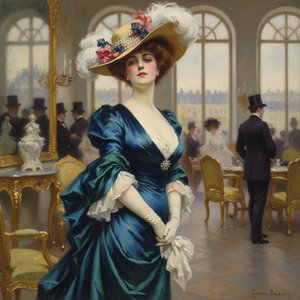
Explore the captivating world of Giovanni Boldini, master of Belle Époque portraiture. Discover his signature style, iconic works like 'Miss Bell,' and lasting influence on art history. Expert analysis for collectors.

Prozkoumejte 10 ikonických děl impresionismu od Monet, Renoir a dalších. Objevte příběhy za obrazy plnými světla a barev. Reprodukce nejvyšší kvality pro váš interiér na Most-Famous-Paintings.com

Explore the captivating journey of street art from urban walls to prestigious galleries. Discover how contemporary graffiti has evolved into a high-end collectible movement, redefining modern interior design and global art culture.

Explore the captivating world of Édouard Cortès, 'The Painter of Paris'. Discover his iconic street scenes, unique style & lasting legacy. Expert insights for collectors and art enthusiasts.
Prozkoumejte 10 ikonických děl impresionismu od Monet, Renoir, Degas a dalších. Objevte příběhy za obrazy plnými světla a barev. Najděte perfektní umělecké reprodukce pro váš interiér na .


Buďte na tahu s nejnovějšími novinkami ze světa umění, exkluzivními nabídkami a inspirativními nápady na dekoraci.
Sdělte nám více o svém projektu a naši odborníci na umění vám připraví 3 personalizované návrhy uměleckých děl.
Nechť pro vás vybereme 3 možnosti – zdarma!


 Náhled
 Sdílet
 Sdílet
 Podrobnosti o díle

 Stáhnout
 Podobné položky
 Rentgenové snímky
 Slideshow
 Zobrazit více







 Skleněná varianta je dostupná pouze u rozměrů menších než 110 cm


