x

 Acrylic On CanvasWallArtArt Nouveau
 1898Early Medieval
 80.0 x 40.0 cm
Giclée nebo plátěný tisk muzeální kvality s rychlou výrobou a flexibilními možnostmi povrchové úpravy. ( Koupit ručně malovaný obraz Koupit obrázek)





























Vyberte si z našich přednastavených velikostí, které odpovídají původním proporcím díla.

Můžete zadat vlastní rozměry tak, aby výtvor odpovídal konkrétnímu rámu nebo prostoru. Pokud zvolená velikost nebude odpovídat poměru stran původního obrazu, dílo buď ořížeme, nebo obraz rozšíříme pomocí zrcadlového efektu či jednobarevného okraje. Před zahájením výroby vám bude zaslán digitální náhled k schválení.
Mějte prosím na paměti, že náhled na obrazovce neodráží skutečné oříznutí nebo rozšíření. Pouze digitální náhled přesně zobrazí finální kompozici.
Ačkoliv jsou k dispozici i vlastní rozměry, pro zachování původních proporcí doporučujeme vybrat si rozměr z předdefinovaného seznamu.
Celosvětové doručení () do 2 týdnů namísto standardních 4/5 týdnů. (18 srpen)


After the Rain
Rozměry reprodukce
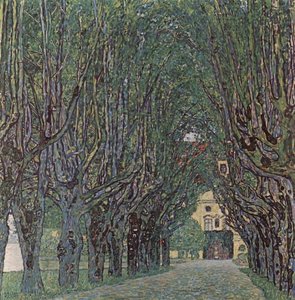
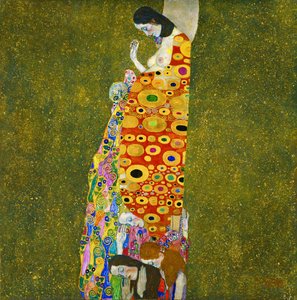
Gustav Klimt's "After the Rain," painted in 1898, isn’t merely a depiction of a rural landscape; it’s an immersion into a world of quiet contemplation and understated beauty. Emerging from Klimt’s period of profound artistic exploration – a time when he deliberately moved away from overtly narrative subjects to focus on the autonomous power of landscape itself – this work embodies his evolving style, foreshadowing the opulent goldwork that would define his later “Golden Phase.” The painting captures a fleeting moment after a storm, a scene brimming with a palpable sense of peace and renewal. Sheep graze peacefully amidst a verdant field, their forms rendered with a delicate touch, while a watchful dog surveys the tranquil scene. Trees stand as silent guardians, framing the composition and lending an air of timelessness to the tableau.
(Image courtesy of Google Arts & Culture)
Klimt's decision to dedicate summers to the countryside, particularly in the company of the Flöge family, proved pivotal to his artistic development. These retreats provided a crucial respite from the pressures of Viennese society and allowed him to reconnect with nature – a subject he increasingly valued for its inherent beauty and symbolic potential. Prior to this shift, Klimt’s work was often characterized by intense emotionality and psychological drama; however, these rural landscapes offered a space for introspection and a move towards a more restrained, yet equally powerful, aesthetic. The painting reflects this evolution – it's not about grand narratives or dramatic events, but rather the subtle poetry of everyday life.
While seemingly simple on the surface, “After the Rain” is rich with symbolic undertones. Sheep, traditionally associated with innocence and gentleness, represent a connection to the earth and a sense of vulnerability. The dog, often a symbol of guardianship and loyalty, watches over this peaceful scene, suggesting a protective presence. The rain itself – absent from the image but powerfully implied – represents cleansing and renewal, mirroring the overall atmosphere of hope and tranquility. Klimt’s use of color is particularly noteworthy; muted greens and browns create a sense of depth and realism, while subtle hints of gold—a hallmark of his future work—begin to emerge in the foliage, hinting at the opulent style he would soon embrace.
“After the Rain” is more than just a beautiful painting; it’s a window into Gustav Klimt’s evolving artistic vision. Created during a period of intense experimentation and personal transformation, this work demonstrates his growing interest in capturing the essence of nature and exploring its symbolic potential. The meticulous detail in the rendering of the animals, combined with the overall sense of serenity, invites viewers to pause and appreciate the quiet beauty of the natural world. This reproduction offers an exceptional opportunity to bring a piece of Klimt’s genius into your home, allowing you to experience firsthand the painter's profound connection to the landscapes that inspired his most iconic works. Consider this artwork not just as decoration, but as a meditation on peace, renewal, and the enduring power of nature.

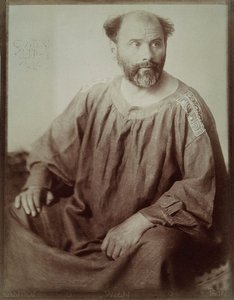
1862 - 1918 , Rakousko

Explore the profound impact of the Vienna Secession movement. Discover how visionaries like Gustav Klimt revolutionized modern art through symbolism, gold leaf, and the concept of Gesamtkunstwerk in this expert-led historical guide.

Explore the profound history of landscape masterpieces. From the Barbizon School to Monet's Impressionism, discover how timeless natural scenes bring serenity and prestige to your collection through museum-quality, hand-painted oil reproductions.


Buďte na tahu s nejnovějšími novinkami ze světa umění, exkluzivními nabídkami a inspirativními nápady na dekoraci.
Sdělte nám více o svém projektu a naši odborníci na umění vám připraví 3 personalizované návrhy uměleckých děl.
Nechť pro vás vybereme 3 možnosti – zdarma!


 Náhled
 Sdílet
 Sdílet
 Podrobnosti o díle

 Stáhnout
 Podobné položky
 Rentgenové snímky
 Slideshow
 Zobrazit více







 Skleněná varianta je dostupná pouze u rozměrů menších než 110 cm