x

Giclée nebo plátěný tisk muzeální kvality s rychlou výrobou a flexibilními možnostmi povrchové úpravy. ( Koupit ručně malovaný obraz Koupit obrázek)





























Vyberte si z našich přednastavených velikostí, které odpovídají původním proporcím díla.

Můžete zadat vlastní rozměry tak, aby výtvor odpovídal konkrétnímu rámu nebo prostoru. Pokud zvolená velikost nebude odpovídat poměru stran původního obrazu, dílo buď ořížeme, nebo obraz rozšíříme pomocí zrcadlového efektu či jednobarevného okraje. Před zahájením výroby vám bude zaslán digitální náhled k schválení.
Mějte prosím na paměti, že náhled na obrazovce neodráží skutečné oříznutí nebo rozšíření. Pouze digitální náhled přesně zobrazí finální kompozici.
Ačkoliv jsou k dispozici i vlastní rozměry, pro zachování původních proporcí doporučujeme vybrat si rozměr z předdefinovaného seznamu.
Celosvětové doručení () do 2 týdnů namísto standardních 4/5 týdnů. (16 srpen)


Orpheus and Eurydice
Rozměry reprodukce
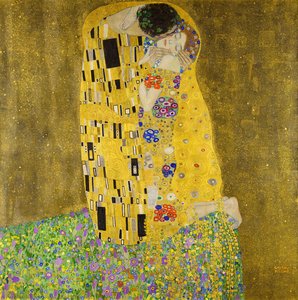
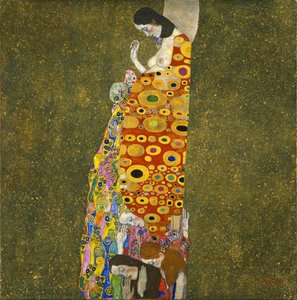
In the quiet intersection of myth and mastery, Gustav Klimt’s Orpheus and Eurydice emerges as a profound meditation on the fragility of human connection. Completed in 1885, this evocative work serves as an early emblem of the Viennese Secession’s burgeoning fascination with Symbolism, capturing a moment that feels both eternal and heartbreakingly fleeting. The painting portrays the legendary musician Orpheus serenading his beloved Eurydice as she begins her ascent from the underworld, a narrative that transcends mere Greek mythology to become a universal exploration of love, loss, and the yearning for transcendence. As the viewer gazes upon the scene, there is an undeniable sense of tension—the delicate balance between life and death, and the desperate struggle to hold onto what is already slipping away.
The composition is a masterclass in the Art Nouveau aesthetic, often referred to as Jugendstil. Eschewing the rigid geometric precision of academic traditions, Klimt utilizes flowing, organic lines and curvilinear forms that evoke the rhythmic pulse of the natural world. The setting, a lush garden atmosphere, provides a soft backdrop to the central figures, where the presence of nature—including a solitary bird perched in the periphery—adds a layer of delicate harmony to the composition. This fluidity is not merely stylistic but emotional; the very lines of the painting seem to breathe with the same uncertainty as the lovers themselves, creating a visual language that speaks directly to the soul.
What truly distinguishes this masterpiece is Klimt’s groundbreaking approach to texture and luminosity. Utilizing tempera paint on canvas, the artist achieved a level of durability and brilliance that allows the colors to resonate with an ethereal glow. However, it is his pioneering application of gold leaf that transforms the work into something otherworldly. This shimmering technique, inherited from his father’s expertise as a gold engraver, imbues the surface with a divine quality. The light does not simply hit the painting; it seems to emanate from within it, casting a celestial radiance that elevates the tragic subject matter into the realm of the sacred.
This use of gold serves a dual purpose: it is both a technical triumph and a profound symbolic tool. In the context of Klimt’s work, the golden hues represent divine grace and immortality, acting as a visual counterpoint to the mortal sorrow depicted in the figures' expressions. For the collector or interior designer, this interplay of light and precious texture offers an unparalleled opportunity to introduce a sense of opulence and historical depth into a space. A high-quality reproduction of this piece brings not just a painting, but a tactile experience of luxury and a window into the golden age of Viennese art.
To possess a reproduction of Orpheus and Eurydice is to invite a conversation about the human condition into one's home. The painting captures the exact moment of transition—the bittersweet reconciliation between the earthly and the divine. For those seeking to curate an environment of intellectual depth and emotional resonance, this work provides a focal point that is both visually arresting and narratively rich. It stands as a testament to Klimt’s ability to weave complex esoteric ideas into a beautiful, accessible tapestry of color and form.
Whether placed in a contemporary gallery setting or a classic study, the artwork commands attention through its balanced composition and the haunting beauty of its subject. It remains an essential piece for anyone moved by the power of Symbolism and the enduring allure of the golden light that Klimt so masterfully captured over a century ago.

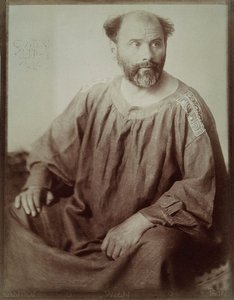
1862 - 1918 , Rakousko

Explore the profound impact of the Vienna Secession movement. Discover how visionaries like Gustav Klimt revolutionized modern art through symbolism, gold leaf, and the concept of Gesamtkunstwerk in this expert-led historical guide.


Buďte na tahu s nejnovějšími novinkami ze světa umění, exkluzivními nabídkami a inspirativními nápady na dekoraci.
Sdělte nám více o svém projektu a naši odborníci na umění vám připraví 3 personalizované návrhy uměleckých děl.
Nechť pro vás vybereme 3 možnosti – zdarma!


 Náhled
 Sdílet
 Sdílet
 Podrobnosti o díle

 Stáhnout
 Podobné položky
 Rentgenové snímky
 Slideshow

 Zobrazit více







 Skleněná varianta je dostupná pouze u rozměrů menších než 110 cm