


x

Koupě vysoce rozlišeného, vylepšeného digitálního obrazu, který je mnohem kvalitnější než online náhled.
Každý soubor je pečlivě připraven našimi odborníky pomocí pokročilých nástrojů a expertní manuální retuše. Zajišťujeme, aby každý obraz disponoval výjimečnou ostrostí, přesnou barevnou věrností a jemnými detaily.
Finální soubor vám bude do 72 hodin zaslán e-mailem, optimalizovaný pro okamžité použití v profesionálním, redakčním i tiskovém prostředí. Nabízíme stejnou kvalitu, které důvěřují špičková designová studia, nakladatelství i galerie.
Stáhněte si soubor ve vysokém rozlišení pro osobní prohlížení, tisk a kreativní projekty. ( Koupit tisk Koupit ručně malovaný obraz)
Když si vyberete Most-Famous-Paintings.com, nezískáváte pouze obrázek – získáváte digitální umělecké dílo s profesionálně vylepšenými detaily, zpracované s precizností a podpořené zárukou za spokojenost. Zde je vše, co vaše objednávka automaticky obsahuje:

Váš digitální obraz ve vysokém rozlišení vám bude zaslán e-mailem do 72 hodin od objednávky – připraven k okamžitému použití.

Vaše umělecké dílo je profesionálně optimalizováno pomocí pokročilých nástrojů umělé inteligence a manuální úpravy, což zajišťuje maximální úroveň detailu, ostrosti a přesnosti barev.

Soubor jste omylem smazali nebo ztratili? Žádný problém – kdykoliv vám ho znovu zašleme zcela zdarma.

Užijte si své umělecké dílo okamžitě bez celních poplatků, daní nebo nákladů na dopravu – digitální stažení je vždy bez daňových povinností.

Pomocí profesionálních nástrojů a správy barev zajišťujeme, aby váš digitální obraz odrážel původní barvy co nejvěrněji.

Pokud nebudete s digitální fotografií spokojeni, provedeme její revizi nebo vám vrátíme 100% během 60 dnů – bez jakýchkoliv dotazů.

Nespokojeni? Získejte plnou částku zpět do 60 dní od přijetí vašeho digitálního souboru – bez jakýchkoliv dotazů.

Koupěte si 3 obrazy, ušetřete 10% - Koupěte si 5, ušetřete 15% - Koupěte si 10+, ušetřete 20%. Ideální pro kreativní projekty, galerie a agentury.
Gustav Klimt’s “The Pear Tree,” completed in 1903, stands as one of the artist's most celebrated landscapes—and arguably his most poignant exploration of themes surrounding femininity, spirituality, and the cyclical nature of life. More than just a depiction of fruit trees laden with blossoms and ripening pears, it embodies Klimt’s signature blend of Art Nouveau elegance and Byzantine mosaic influence, capturing a moment suspended between decay and renewal.
Originally commissioned by Viktor Zuckerkandl, an industrialist and avid art collector, Klimt envisioned this painting as part of a larger series intended for Zuckerkandl's opulent villa. The artwork’s immediate impact was considerable; critics initially condemned it for perceived vulgarity and lack of artistic merit—a reaction that underscored the anxieties surrounding Klimt’s bold stylistic choices and his willingness to challenge conventional aesthetic standards.
Klimt's artistic journey began in Vienna, where he honed his skills at the Kunstgewerbeschule alongside fellow artists like Franz von Matsch. Influenced by Symbolist painters such as Edvard Munch and James Abbott McNeill Whistler, Klimt swiftly developed a distinctive visual language characterized by flattened perspectives, stylized figures, and opulent ornamentation—elements that would define his oeuvre for decades to come.
The painting’s genesis coincided with the burgeoning Secession movement in Vienna, spearheaded by Klimt himself. Rejecting the conservative academic tradition, Secession artists sought inspiration from Byzantine mosaics and Japanese prints, aiming to forge a new artistic idiom rooted in decorative art and psychological introspection. “The Pear Tree” exemplifies this ethos perfectly—a deliberate departure from realism toward an expressive rendering of natural beauty imbued with symbolic significance.
Klimt’s masterful technique is immediately apparent upon viewing the canvas. Employing oil paint on canvas, he achieved remarkable textural depth through meticulous layering and glazing – a process that allowed him to capture the subtle nuances of light and shadow within the foliage and blossoms. The artist's use of color—primarily muted greens and blues contrasted with warm yellows and oranges—creates an atmosphere of serene contemplation.
However, Klimt’s most striking innovation lies in his stylistic approach. He eschewed traditional perspective, flattening the landscape into a shallow plane reminiscent of Byzantine mosaics—a technique that prioritized visual impact over accurate representation. The pear tree itself is rendered with meticulous detail, each leaf and blossom painstakingly delineated to convey an impression of vibrant life.
"The Pear Tree" transcends mere botanical depiction; it operates on multiple symbolic levels. The pear tree represents fertility, abundance, and the promise of regeneration—themes central to Klimt’s broader artistic concerns regarding mortality and rebirth. The blossoms symbolize purity and innocence, while the ripening pears signify maturity and fulfillment.
Furthermore, Klimt's deliberate use of color contributes significantly to the painting’s emotional impact. The dominant hues evoke feelings of tranquility and contemplation—yet beneath the surface lies an unspoken tension reflecting the artist’s preoccupation with psychological complexity. “The Pear Tree” invites viewers to contemplate not only the beauty of nature but also the profound mysteries of human existence.
“The Pear Tree” cemented Klimt's reputation as a visionary artist and profoundly influenced subsequent generations of painters who sought to explore themes of sexuality, spirituality, and decorative art. Its stylistic boldness—particularly its flattened perspective and mosaic-inspired technique—served as inspiration for artists across Europe.
Today, “The Pear Tree” remains a beloved masterpiece within the canon of modern art—a testament to Klimt’s unparalleled ability to transform visual observation into emotionally resonant symbolism. It continues to captivate audiences with its ethereal beauty and enduring contemplation on life's cyclical journey.

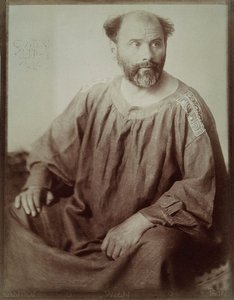
1862 - 1918 , Rakousko


Buďte na tahu s nejnovějšími novinkami ze světa umění, exkluzivními nabídkami a inspirativními nápady na dekoraci.
Sdělte nám více o svém projektu a naši odborníci na umění vám připraví 3 personalizované návrhy uměleckých děl.
Nechť pro vás vybereme 3 možnosti – zdarma!


 Náhled
 Sdílet
 Sdílet
 Podrobnosti o díle

 Stáhnout
 Podobné položky
 Rentgenové snímky
 Slideshow

 Zobrazit více


