x

Giclée nebo plátěný tisk muzeální kvality s rychlou výrobou a flexibilními možnostmi povrchové úpravy. ( Koupit ručně malovaný obraz Koupit obrázek)





























Vyberte si z našich přednastavených velikostí, které odpovídají původním proporcím díla.

Můžete zadat vlastní rozměry tak, aby výtvor odpovídal konkrétnímu rámu nebo prostoru. Pokud zvolená velikost nebude odpovídat poměru stran původního obrazu, dílo buď ořížeme, nebo obraz rozšíříme pomocí zrcadlového efektu či jednobarevného okraje. Před zahájením výroby vám bude zaslán digitální náhled k schválení.
Mějte prosím na paměti, že náhled na obrazovce neodráží skutečné oříznutí nebo rozšíření. Pouze digitální náhled přesně zobrazí finální kompozici.
Ačkoliv jsou k dispozici i vlastní rozměry, pro zachování původních proporcí doporučujeme vybrat si rozměr z předdefinovaného seznamu.
Celosvětové doručení () do 2 týdnů namísto standardních 4/5 týdnů. (18 srpen)


Youth
Rozměry reprodukce
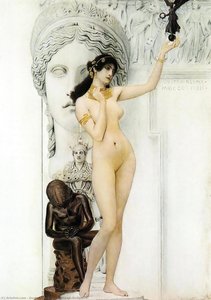
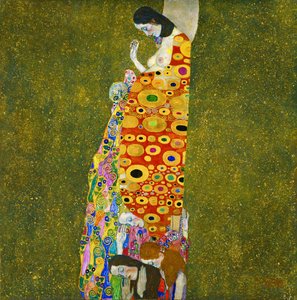
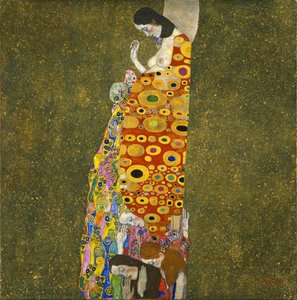
Gustav Klimt’s “Youth,” completed in 1882, stands as a cornerstone of Viennese Secessionist art—a movement that irrevocably challenged the conventions of academic painting and ushered in an era of bold experimentation. This striking monochrome drawing captures a moment frozen in time: two women positioned before a monumental statue, embodying idealized femininity and intellectual contemplation.
“Youth” emerged during a period of profound intellectual ferment in Vienna—the Austro-Hungarian Empire was grappling with rapid industrialization and social change. Klimt’s Secessionists rejected the rigid hierarchies of academic art, advocating for artistic freedom and embracing influences from Byzantine mosaics and Celtic ornamentation. This stylistic rebellion signaled a decisive break from tradition, establishing Klimt as a pivotal figure in shaping the visual landscape of the late nineteenth century.
The pervasive use of floral motifs throughout “Youth” speaks volumes about Klimt’s preoccupation with symbolism. Flowers represent rebirth, purity, and divine grace—concepts deeply rooted in Christian iconography but reimagined through a distinctly pagan lens. The statue before which the women stand symbolizes strength and permanence, juxtaposed against the vulnerability embodied by the infant child. This deliberate contrast underscores Klimt's exploration of duality—the interplay between masculine and feminine energies, earthly existence and spiritual aspiration.
"Youth" transcends mere representation; it aspires to capture a state of profound emotional depth. Klimt’s masterful draughtsmanship conveys an aura of serenity and contemplation, inviting viewers to contemplate the beauty of innocence and the promise of artistic creativity. The drawing's understated elegance—its deliberate avoidance of flamboyant ornamentation—further enhances its impact, leaving behind a lasting impression of timeless grace and intellectual curiosity.

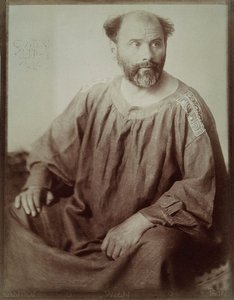
1862 - 1918 , Rakousko

Explore the profound impact of the Vienna Secession movement. Discover how visionaries like Gustav Klimt revolutionized modern art through symbolism, gold leaf, and the concept of Gesamtkunstwerk in this expert-led historical guide.


Buďte na tahu s nejnovějšími novinkami ze světa umění, exkluzivními nabídkami a inspirativními nápady na dekoraci.
Sdělte nám více o svém projektu a naši odborníci na umění vám připraví 3 personalizované návrhy uměleckých děl.
Nechť pro vás vybereme 3 možnosti – zdarma!


 Náhled
 Sdílet
 Sdílet
 Podrobnosti o díle

 Stáhnout
 Podobné položky
 Rentgenové snímky
 Slideshow


 Zobrazit více







 Skleněná varianta je dostupná pouze u rozměrů menších než 110 cm