


x

Koupě vysoce rozlišeného, vylepšeného digitálního obrazu, který je mnohem kvalitnější než online náhled.
Každý soubor je pečlivě připraven našimi odborníky pomocí pokročilých nástrojů a expertní manuální retuše. Zajišťujeme, aby každý obraz disponoval výjimečnou ostrostí, přesnou barevnou věrností a jemnými detaily.
Finální soubor vám bude do 72 hodin zaslán e-mailem, optimalizovaný pro okamžité použití v profesionálním, redakčním i tiskovém prostředí. Nabízíme stejnou kvalitu, které důvěřují špičková designová studia, nakladatelství i galerie.
Stáhněte si soubor ve vysokém rozlišení pro osobní prohlížení, tisk a kreativní projekty. ( Koupit tisk Koupit ručně malovaný obraz)
Když si vyberete Most-Famous-Paintings.com, nezískáváte pouze obrázek – získáváte digitální umělecké dílo s profesionálně vylepšenými detaily, zpracované s precizností a podpořené zárukou za spokojenost. Zde je vše, co vaše objednávka automaticky obsahuje:

Váš digitální obraz ve vysokém rozlišení vám bude zaslán e-mailem do 72 hodin od objednávky – připraven k okamžitému použití.

Vaše umělecké dílo je profesionálně optimalizováno pomocí pokročilých nástrojů umělé inteligence a manuální úpravy, což zajišťuje maximální úroveň detailu, ostrosti a přesnosti barev.

Soubor jste omylem smazali nebo ztratili? Žádný problém – kdykoliv vám ho znovu zašleme zcela zdarma.

Užijte si své umělecké dílo okamžitě bez celních poplatků, daní nebo nákladů na dopravu – digitální stažení je vždy bez daňových povinností.

Pomocí profesionálních nástrojů a správy barev zajišťujeme, aby váš digitální obraz odrážel původní barvy co nejvěrněji.

Pokud nebudete s digitální fotografií spokojeni, provedeme její revizi nebo vám vrátíme 100% během 60 dnů – bez jakýchkoliv dotazů.

Nespokojeni? Získejte plnou částku zpět do 60 dní od přijetí vašeho digitálního souboru – bez jakýchkoliv dotazů.

Koupěte si 3 obrazy, ušetřete 10% - Koupěte si 5, ušetřete 15% - Koupěte si 10+, ušetřete 20%. Ideální pro kreativní projekty, galerie a agentury.
Gustave Moreau's "Andromède" is not merely a depiction of a biblical narrative; it’s an immersion into the richly layered, emotionally charged world of Symbolism. Painted in 1890, this work exemplifies Moreau’s profound engagement with mythology, religion, and the subconscious—themes that would define his career and establish him as one of the movement's most distinctive figures. The painting immediately arrests the viewer with its dramatic composition: a woman, Andromède, stands poised against a monstrous figure, locked in what appears to be a desperate struggle. This isn’t a straightforward retelling of the story of Andromeda chained to a rock; instead, Moreau transforms it into a potent allegory for conflict, desire, and the precarious balance between order and chaos.
Moreau's technical mastery is evident in the meticulous detail with which he renders his subjects. The palette is dominated by deep blues, purples, and ochres, creating a sense of melancholy and foreboding. These colors aren’t used to simply represent reality; they are imbued with symbolic weight, reflecting the emotional turmoil at the heart of the scene. Notice the heavy impasto – the thick application of paint – particularly in the textures of the monster's skin and the woman's garments. This technique adds a tactile quality to the work, inviting the viewer to almost feel the struggle unfolding before them. The composition itself is deliberately unbalanced, with the figures positioned off-center, contributing to the overall sense of unease and instability. Moreau’s use of pyramidal structure, a common device in academic art, is subverted here, creating a dynamic tension that draws the eye across the canvas.
The monstrous figure accompanying Andromède is not a literal demon but rather a projection of her inner demons—representing fear, temptation, or perhaps even the destructive forces within herself. The presence of two additional figures – one on either side – adds another layer of complexity to the narrative. Some scholars believe they represent opposing forces, while others interpret them as aspects of Andromède’s own psyche. Moreau frequently employed allegorical figures in his work, drawing inspiration from classical mythology and esoteric traditions. His goal was not to simply depict a story but to explore universal themes through symbolic imagery, tapping into the viewer's subconscious.
"Andromède" was created during a period of significant artistic innovation in Paris. Moreau’s work stood apart from the naturalism and realism that dominated the art world at the time. He aligned himself with other Symbolist artists, such as Odilon Redon and Pierre Puvis de Chavannes, who sought to create works that were both beautiful and deeply meaningful. Moreau's influence can be seen in subsequent generations of artists, including those associated with Art Nouveau and early Modernism. Today, "Andromède" remains a powerful example of Symbolist painting—a testament to Moreau’s ability to transform myth into a profound meditation on the human condition. Its evocative imagery continues to captivate viewers, inviting them to contemplate the timeless themes of struggle, sacrifice, and the enduring power of the imagination.
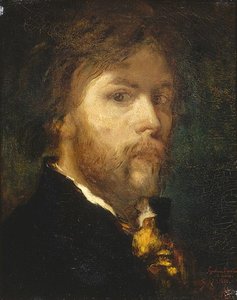
1826 - 1898 , Francie


Buďte na tahu s nejnovějšími novinkami ze světa umění, exkluzivními nabídkami a inspirativními nápady na dekoraci.
Sdělte nám více o svém projektu a naši odborníci na umění vám připraví 3 personalizované návrhy uměleckých děl.
Nechť pro vás vybereme 3 možnosti – zdarma!


 Náhled
 Sdílet
 Sdílet
 Podrobnosti o díle

 Stáhnout
 Podobné položky
 Rentgenové snímky
 Slideshow

 Zobrazit více


