x

Ručně malovaná olejná barva na plátně ve vašem zvoleném rozměru i s rámem, vyrobená našimi umělci na zakázku. ( Koupit tisk Koupit obrázek)





























Vyberte si z našich přednastavených velikostí, které odpovídají původním proporcím díla.

Můžete zadat vlastní rozměry pro konkrétní rám nebo prostor. Pokud se vámi vybraná velikost neshoduje s proporcemi původního obrazu, dílo buď ořízneme, nebo jej doplníme ručně malovanými prvky. Před zahájením výroby vám bude zaslán digitální náhled ke schválení.
Upozorňujeme, že náhled na obrazovce neodpovídá skutečnému ořezu ani rozšíření. Pouze digitální náhled přesně zobrazí finální kompozici.
Ačkoliv je možné zvolit vlastní velikost, pro zachování původních proporcí doporučujeme vybrat rozměr z předdefinovaného seznamu.
Celosvětová doprava () za 3–4 týdny namísto standardních 5 týdnů. (18 srpen). Bez kompromisů v kvalitě.


Pieta
Rozměry reprodukce
In an era where the art world was increasingly captivated by the stark, unvarnished truths of Realism, Gustave Moreau emerged as a visionary who dared to look inward. His Pieta is not merely a depiction of a biblical moment; it is a profound departure from the observable world, serving instead as a portal into the subconscious depths of myth and spirituality. Rather than striving for the photographic accuracy favored by his contemporaries, Moreau sought to capture the essence of what lies beyond perception. In this monumental work, the weight of the crucifixion is balanced by an otherworldly grace, transforming a scene of profound sorrow into a meditative exploration of divine communion. For the collector, this piece offers more than visual beauty; it provides a window into the very soul of the Symbolist movement.
The composition transcends the traditional boundaries of religious art, inviting the viewer to experience a sense of transcendence. While the subject matter—the Virgin Mary cradling the lifeless body of her son, Jesus—is timeless, Moreau’s approach is uniquely enigmatic. He avoids the visceral trauma of death in favor of a sorrowful dignity, where every gesture and gaze is imbued with a deeper, symbolic meaning that speaks to the eternal bond between the human and the divine.
Moreau’s genius lies in his ability to weave historical reverence with personal innovation. In constructing this Pieta, he drew significant inspiration from the luminous mosaics of Byzantine iconography. This deliberate stylistic choice imbues the canvas with a sense of sacred permanence, as if the scene were etched into the very fabric of history. The composition is meticulously layered, creating an atmosphere that feels both ancient and intimately personal. Mary’s upward gaze does not merely reflect grief; it suggests an acceptance of a higher spiritual truth, a gesture that connects the earthly tragedy to a celestial promise.
The symbolism within the work is as rich as its textures. The presence of angelic figures in the background serves to bridge the gap between the mortal and the eternal, framing the central tragedy within a larger cosmic narrative. For those looking to curate a space with depth and intellectual resonance, this painting offers an unparalleled opportunity to introduce themes of faith, memory, and myth into a modern interior. The warmth of the palette and the richness of the imagery create a focal point that is both commanding and contemplative.
Technically, Moreau’s work is a masterclass in the creation of illusion. He employed a method reminiscent of cloisonné enamel, applying layers of color and texture to divide the canvas into cells of vibrant, luminous light. This painstaking process results in a surface that seems to glow from within, capturing the eye with its intricate detail and jewel-like brilliance. The interplay of light and shadow does not just define form; it creates an atmosphere of mysticism and enchantment.
For the interior designer or art enthusiast, a high-quality reproduction of this masterpiece brings a sense of opulent history into the contemporary home. The rich, warm tones and the profound emotional weight of the piece make it an ideal centerpiece for a room designed for reflection and elegance. To possess such a work is to hold a fragment of the 19th century’s most profound spiritual rebellion—a piece that continues to challenge our perceptions of reality and inspire awe through its sheer, haunting beauty.

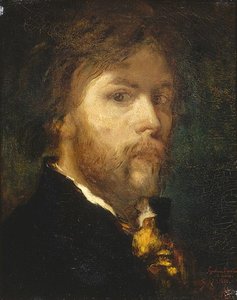
1826 - 1898 , Francie

Explore the evocative world of Symbolist painting. Discover how masters like Gustave Moreau rejected realism to capture dreams, myths, and the subconscious through fine art history and expert analysis.


Buďte na tahu s nejnovějšími novinkami ze světa umění, exkluzivními nabídkami a inspirativními nápady na dekoraci.
Sdělte nám více o svém projektu a naši odborníci na umění vám připraví 3 personalizované návrhy uměleckých děl.
Nechť pro vás vybereme 3 možnosti – zdarma!


 Náhled
 Sdílet
 Sdílet
 Podrobnosti o díle

 Stáhnout
 Podobné položky
 Rentgenové snímky
 Slideshow

 Zobrazit více







 Skleněná varianta je dostupná pouze u rozměrů menších než 110 cm