


x

Ručně malovaná olejná barva na plátně ve vašem zvoleném rozměru i s rámem, vyrobená našimi umělci na zakázku. ( Koupit tisk Koupit obrázek)





























Vyberte si z našich přednastavených velikostí, které odpovídají původním proporcím díla.

Můžete zadat vlastní rozměry pro konkrétní rám nebo prostor. Pokud se vámi vybraná velikost neshoduje s proporcemi původního obrazu, dílo buď ořízneme, nebo jej doplníme ručně malovanými prvky. Před zahájením výroby vám bude zaslán digitální náhled ke schválení.
Upozorňujeme, že náhled na obrazovce neodpovídá skutečnému ořezu ani rozšíření. Pouze digitální náhled přesně zobrazí finální kompozici.
Ačkoliv je možné zvolit vlastní velikost, pro zachování původních proporcí doporučujeme vybrat rozměr z předdefinovaného seznamu.
Celosvětová doprava () za 3–4 týdny namísto standardních 5 týdnů. (23 srpen). Bez kompromisů v kvalitě.


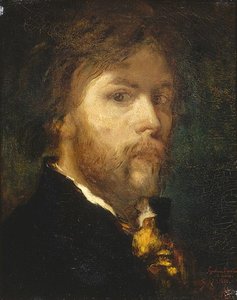
untitled (5700)
Rozměry reprodukce
Gustave Moreau's "Untitled (5700)," a captivating black-and-white study, isn’t merely a portrait; it’s a portal into the richly layered world of Symbolist thought. Painted in 1890s Paris, during the height of this influential artistic movement, the work embodies Moreau’s signature style – a deliberate departure from the objective realism prevalent at the time, instead prioritizing emotional resonance and symbolic representation. The image depicts a woman adorned with an opulent gold crown, studded with shimmering blue jewels, her gaze lowered in contemplation. This isn't a straightforward depiction of royalty; it’s a carefully constructed tableau designed to evoke a sense of mystery, power, and perhaps even melancholy. Moreau was deeply fascinated by mythology, religion, and the subconscious—elements that profoundly shaped his artistic vision.
Moreau’s technique is characterized by meticulous detail and a deliberate use of texture. The stark contrast between light and shadow creates an almost sculptural quality to the figure, drawing the viewer's eye to her face and crown. Notice the intricate patterns within the gold – not simply rendered as shiny metal, but imbued with a sense of age and history. This painstaking attention to detail reflects Moreau’s commitment to creating works that were both visually arresting and intellectually stimulating. He often employed techniques borrowed from medieval illuminated manuscripts and Renaissance altarpieces, layering symbolism upon symbolism in a way that rewards repeated viewing.
The woman herself is central to the painting’s enigmatic power. While her identity remains deliberately obscured – a common characteristic of Moreau's work—she embodies archetypal qualities associated with queens, goddesses, and even biblical figures like Salome or Semele. The crown, radiating an almost otherworldly glow, signifies authority and divine right, yet its blue jewels hint at something deeper – perhaps sorrow, contemplation, or the burden of leadership. Her downward gaze suggests introspection, inviting the viewer to share in her silent thoughts.
The background, populated with indistinct figures, serves not as a distraction but as an integral part of the composition’s symbolic architecture. These shadowy forms could represent courtiers, attendants, or even aspects of the woman's own psyche. Moreau frequently used such ambiguous backgrounds to create a sense of timelessness and universality, suggesting that the depicted scene transcends specific historical context.
Gustave Moreau’s work occupies a fascinating space between academic tradition and avant-garde experimentation. He was deeply influenced by artists like William Blake and Dante Gabriel Rossetti, both of whom explored themes of mythology, dream imagery, and the supernatural. His paintings often resemble elaborate tapestries or illuminated manuscripts—a deliberate homage to the artistic traditions of the past. Moreau’s influence can be seen in the work of later Symbolist painters such as Henri Matisse and Rouault, as well as in the development of modern fantasy art.
Moreau's dedication to his craft is remarkable; he produced over 15,000 paintings, watercolors, and drawings throughout his career. His studio-home, now a museum in Paris, offers an unparalleled glimpse into his creative process and provides a tangible connection to this extraordinary artist. The "Untitled (5700)" exemplifies Moreau’s ability to transform historical subjects—mythological or biblical—into deeply personal and emotionally resonant works of art. It's a testament to the power of Symbolism to unlock the hidden realms of the human imagination.
Most-Famous-Paintings offers meticulously crafted, hand-painted reproductions of Gustave Moreau’s “Untitled (5700),” allowing you to experience the depth and beauty of this iconic artwork in your own space. Our skilled artists faithfully recreate Moreau's intricate details, textures, and evocative atmosphere, ensuring that your reproduction captures the essence of his artistic vision. Whether for a study, a gallery wall, or simply as a source of inspiration, a Most-Famous-Paintings reproduction of “Untitled (5700)” is a timeless addition to any collection.

1826 - 1898 , Francie

Explore the profound history of gold leaf and gilding in Byzantine and Renaissance art. Discover how this sacred technique transformed religious iconography into celestial phenomena through light, symbolism, and unparalleled craftsmanship.

Explore the profound impact of the Vienna Secession movement. Discover how visionaries like Gustav Klimt revolutionized modern art through symbolism, gold leaf, and the concept of Gesamtkunstwerk in this expert-led historical guide.


Buďte na tahu s nejnovějšími novinkami ze světa umění, exkluzivními nabídkami a inspirativními nápady na dekoraci.
Sdělte nám více o svém projektu a naši odborníci na umění vám připraví 3 personalizované návrhy uměleckých děl.
Nechť pro vás vybereme 3 možnosti – zdarma!


 Náhled
 Sdílet
 Sdílet
 Podrobnosti o díle

 Stáhnout
 Podobné položky
 Rentgenové snímky
 Slideshow

 Zobrazit více







 Skleněná varianta je dostupná pouze u rozměrů menších než 110 cm


