x

Ručně malovaná olejná barva na plátně ve vašem zvoleném rozměru i s rámem, vyrobená našimi umělci na zakázku. ( Koupit tisk Koupit obrázek)





























Vyberte si z našich přednastavených velikostí, které odpovídají původním proporcím díla.

Můžete zadat vlastní rozměry pro konkrétní rám nebo prostor. Pokud se vámi vybraná velikost neshoduje s proporcemi původního obrazu, dílo buď ořízneme, nebo jej doplníme ručně malovanými prvky. Před zahájením výroby vám bude zaslán digitální náhled ke schválení.
Upozorňujeme, že náhled na obrazovce neodpovídá skutečnému ořezu ani rozšíření. Pouze digitální náhled přesně zobrazí finální kompozici.
Ačkoliv je možné zvolit vlastní velikost, pro zachování původních proporcí doporučujeme vybrat rozměr z předdefinovaného seznamu.
Celosvětová doprava () za 3–4 týdny namísto standardních 5 týdnů. (19 srpen). Bez kompromisů v kvalitě.


Venise
Rozměry reprodukce
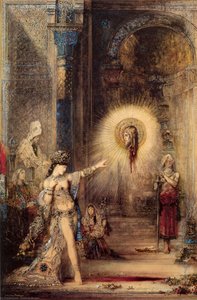
Gustave Moreau’s “Venise,” completed around 1885, stands as a cornerstone of Symbolist painting—a movement that prioritized emotion and psychological depth over literal representation. Unlike the Impressionists who sought to capture fleeting moments of visual experience, Moreau aimed to distill the essence of feeling into an image imbued with spiritual significance. This artwork isn’t merely a depiction of Venice; it's a portal into Moreau’s inner world—a realm populated by fantastical figures and bathed in ethereal luminescence.
Moreau’s artistic vision drew heavily from classical mythology, specifically the legend of Venus and Adonis. The central nude figure embodies Venus herself, reclining gracefully on a rocky outcrop—a motif reminiscent of ancient sculptures depicting goddesses in repose. Her expansive wings, feathered with meticulous detail, elevate her above earthly concerns, symbolizing divine grace and transcendence. This deliberate allusion to pagan iconography underscores Moreau’s desire to explore themes of beauty, desire, and mortality through the lens of timeless myths.
Moreau achieved his dreamlike effect primarily through oil paint applied with loose brushstrokes—a technique characteristic of Symbolist painters. These strokes create a palpable textural surface that captures the subtle nuances of light and shadow, contributing to the artwork’s overall atmosphere. The artist skillfully utilizes lines to define the contours of the figure and wings, emphasizing their organic forms while simultaneously conveying movement and dynamism. Furthermore, Moreau employs muted earthy tones—pale ochres, browns, and greys—to evoke a sense of melancholy and solitude, mirroring the contemplative mood he wished to convey.
In the hazy background, Moreau introduces a suggestion of Venice’s cityscape—a distant panorama rendered in soft pastel hues. This inclusion isn't merely decorative; it serves as a counterpoint to the figure’s serene isolation, hinting at the passage of time and the inevitable decay inherent in earthly existence. The flattened perspective reinforces the dreamlike quality of the scene, immersing the viewer in Moreau’s imaginative vision.
"Venise" exemplifies Moreau's profound engagement with Symbolist principles—a rejection of realism in favor of subjective experience and spiritual contemplation. Its enduring appeal lies in its ability to evoke a powerful emotional response, prompting viewers to ponder questions of beauty, mortality, and the relationship between humanity and divinity. Gustave Moreau’s masterpiece continues to inspire artists and collectors alike, cementing his place as one of the most influential figures in late nineteenth-century art.

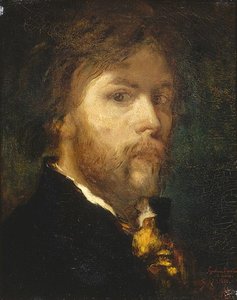
1826 - 1898 , Francie

Explore the evocative world of Symbolist painting. Discover how masters like Gustave Moreau rejected realism to capture dreams, myths, and the subconscious through fine art history and expert analysis.

Explore the profound beauty of Greek mythology through art history. From Baroque masterpieces to Renaissance classics, discover how gods and heroes have inspired the world's greatest painters in this expert guide for collectors and history lovers.


Buďte na tahu s nejnovějšími novinkami ze světa umění, exkluzivními nabídkami a inspirativními nápady na dekoraci.
Sdělte nám více o svém projektu a naši odborníci na umění vám připraví 3 personalizované návrhy uměleckých děl.
Nechť pro vás vybereme 3 možnosti – zdarma!


 Náhled
 Sdílet
 Sdílet
 Podrobnosti o díle

 Stáhnout
 Podobné položky
 Rentgenové snímky
 Slideshow
 Zobrazit více







 Skleněná varianta je dostupná pouze u rozměrů menších než 110 cm