x

Koupě vysoce rozlišeného, vylepšeného digitálního obrazu, který je mnohem kvalitnější než online náhled.
Každý soubor je pečlivě připraven našimi odborníky pomocí pokročilých nástrojů a expertní manuální retuše. Zajišťujeme, aby každý obraz disponoval výjimečnou ostrostí, přesnou barevnou věrností a jemnými detaily.
Finální soubor vám bude do 72 hodin zaslán e-mailem, optimalizovaný pro okamžité použití v profesionálním, redakčním i tiskovém prostředí. Nabízíme stejnou kvalitu, které důvěřují špičková designová studia, nakladatelství i galerie.
Stáhněte si soubor ve vysokém rozlišení pro osobní prohlížení, tisk a kreativní projekty. ( Koupit tisk Koupit ručně malovaný obraz)
Když si vyberete Most-Famous-Paintings.com, nezískáváte pouze obrázek – získáváte digitální umělecké dílo s profesionálně vylepšenými detaily, zpracované s precizností a podpořené zárukou za spokojenost. Zde je vše, co vaše objednávka automaticky obsahuje:

Váš digitální obraz ve vysokém rozlišení vám bude zaslán e-mailem do 72 hodin od objednávky – připraven k okamžitému použití.

Vaše umělecké dílo je profesionálně optimalizováno pomocí pokročilých nástrojů umělé inteligence a manuální úpravy, což zajišťuje maximální úroveň detailu, ostrosti a přesnosti barev.

Soubor jste omylem smazali nebo ztratili? Žádný problém – kdykoliv vám ho znovu zašleme zcela zdarma.

Užijte si své umělecké dílo okamžitě bez celních poplatků, daní nebo nákladů na dopravu – digitální stažení je vždy bez daňových povinností.

Pomocí profesionálních nástrojů a správy barev zajišťujeme, aby váš digitální obraz odrážel původní barvy co nejvěrněji.

Pokud nebudete s digitální fotografií spokojeni, provedeme její revizi nebo vám vrátíme 100% během 60 dnů – bez jakýchkoliv dotazů.

Nespokojeni? Získejte plnou částku zpět do 60 dní od přijetí vašeho digitálního souboru – bez jakýchkoliv dotazů.

Koupěte si 3 obrazy, ušetřete 10% - Koupěte si 5, ušetřete 15% - Koupěte si 10+, ušetřete 20%. Ideální pro kreativní projekty, galerie a agentury.
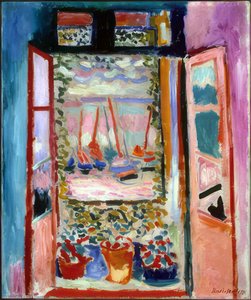
Henri Matisse's "Cap d’Antibes," painted in 1922, isn’t merely a landscape; it’s an immersion into the heart of the French Riviera’s sun-drenched beauty. Created during a pivotal period in his artistic evolution – a time when he moved away from the radical experimentation of Fauvism and embraced a more refined, classical approach – this work embodies a quiet contemplation of nature's elegance. The painting captures a specific vista overlooking the rugged coastline near Antibes, a region that would become inextricably linked with Matisse’s life and artistic output during his sojourn in Nice.
The composition is deceptively simple yet profoundly effective. A horizontal band dominates the canvas, representing the expansive sea, rendered in varying shades of blue – from deep indigo to lighter turquoise – suggesting depth and movement. A rocky shoreline, painted with broad, confident strokes of ochre, brown, and gray, anchors the scene, providing a solid foundation for the airy expanse above. A small figure, seated on a bench, gazes out at the view, offering a subtle human element within this otherwise serene landscape. The inclusion of this solitary observer invites us to share in his moment of peaceful observation, fostering a sense of connection with both the natural world and the artist’s own contemplative spirit.
Matisse was renowned for his masterful manipulation of color, and “Cap d’Antibes” is a testament to this skill. He employed a carefully considered palette – dominated by earthy tones—to evoke the warmth of the Mediterranean sun and the subtle nuances of light reflecting off the water and stone. The brushstrokes themselves are deliberately loose and expressive, characteristic of his mature style. Rather than meticulously detailing every element, Matisse prioritized capturing the *feeling* of the scene, using color and texture to convey atmosphere and mood. The application is thick and visible, creating a tactile quality that draws the viewer into the painting’s surface.
Notably, this work represents a shift away from the intense, jarring colors of his earlier Fauvist period. Here, Matisse utilizes a more restrained palette, focusing on harmonious combinations and subtle gradations to create a sense of tranquility and balance. This move reflects his growing interest in classical art and his desire to achieve a greater degree of order and control within his compositions.
The painting's creation coincided with Matisse’s relocation to Nice, where he sought inspiration from the surrounding landscape. The Cap d’Antibes region held particular significance for him, becoming a favored subject for numerous paintings and drawings during this period. It was here that he developed his distinctive style, characterized by simplified forms, flattened perspectives, and an emphasis on decorative patterns. “Cap d’Antibes” offers a glimpse into this creative environment, revealing the artist's deep appreciation for the beauty of the natural world and his ability to translate it onto canvas.
Further research reveals that Matisse was deeply influenced by J.M.W. Turner’s atmospheric landscapes, particularly his use of light and color to evoke mood and atmosphere. This influence is evident in “Cap d’Antibes,” where the hazy quality of the distant mountains and the shimmering reflections on the water create a sense of depth and mystery.
Beyond its purely aesthetic qualities, "Cap d'Antibes" carries a subtle symbolic weight. The solitary figure suggests themes of solitude, contemplation, and connection with nature. It’s a moment of respite from the bustle of life, inviting the viewer to slow down and appreciate the simple pleasures of the natural world. The painting’s overall mood is one of peacefulness and serenity—a feeling that resonates deeply with viewers even today. The composition evokes a sense of timelessness, as if capturing an eternal moment of beauty on the French Riviera.
Reproductions of this iconic work offer a wonderful opportunity to bring Matisse's vibrant vision into any interior space, adding a touch of elegance and tranquility to your home or office.


1869 - 1954 , Francie


Buďte na tahu s nejnovějšími novinkami ze světa umění, exkluzivními nabídkami a inspirativními nápady na dekoraci.
Sdělte nám více o svém projektu a naši odborníci na umění vám připraví 3 personalizované návrhy uměleckých děl.
Nechť pro vás vybereme 3 možnosti – zdarma!


 Náhled
 Sdílet
 Sdílet
 Podrobnosti o díle

 Stáhnout
 Podobné položky
 Rentgenové snímky
 Slideshow

 Zobrazit více