x

 Olej na plátněObrazová tvorba na stěnuFauvism
 1905Modernismus
 60.0 x 73.0 cm
Ručně malovaná olejná barva na plátně ve vašem zvoleném rozměru i s rámem, vyrobená našimi umělci na zakázku. ( Koupit tisk Koupit obrázek)





























Vyberte si z našich přednastavených velikostí, které odpovídají původním proporcím díla.

Můžete zadat vlastní rozměry pro konkrétní rám nebo prostor. Pokud se vámi vybraná velikost neshoduje s proporcemi původního obrazu, dílo buď ořízneme, nebo jej doplníme ručně malovanými prvky. Před zahájením výroby vám bude zaslán digitální náhled ke schválení.
Upozorňujeme, že náhled na obrazovce neodpovídá skutečnému ořezu ani rozšíření. Pouze digitální náhled přesně zobrazí finální kompozici.
Ačkoliv je možné zvolit vlastní velikost, pro zachování původních proporcí doporučujeme vybrat rozměr z předdefinovaného seznamu.
Celosvětová doprava () za 3–4 týdny namísto standardních 5 týdnů. (20 srpen). Bez kompromisů v kvalitě.


Collioure Interior
Rozměry reprodukce
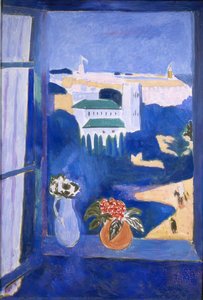
“Collioure Interior” transports viewers to a serene domestic scene in the picturesque town of Collioure, France. The painting depicts a woman seated comfortably on a bench near a window, tenderly holding a baby while gazing out at the vibrant landscape beyond. The room itself is simply furnished with a bed and two chairs, creating an intimate atmosphere. However, it's Matisse’s bold use of color that truly brings the scene to life. The foreground bursts with reds, greens, and yellows, contrasting beautifully with the tranquil backdrop of the Collioure scenery visible through the window.
This artwork is a prime example of Fauvism, an art movement that emerged in France around 1905. "Fauves" translates to “wild beasts,” reflecting the critics’ initial reaction to the movement's unconventional use of color and energetic brushstrokes. Henri Matisse was one of its leading figures. Fauvist artists rejected traditional techniques of realistic representation, instead prioritizing emotional expression through vibrant, non-naturalistic colors. They sought to liberate color from its descriptive function, using it purely for aesthetic impact.
While seemingly a simple domestic scene, "Collioure Interior" carries deeper symbolic weight. The woman's gaze towards the landscape suggests a longing or contemplation, while the presence of the baby evokes themes of motherhood and familial love. The intense colors aren’t meant to accurately depict reality but rather to convey Matisse’s emotional response to the scene. The painting exudes a sense of warmth, tranquility, and joy—a celebration of life's simple pleasures. The bold color choices create an almost dreamlike quality, inviting viewers to immerse themselves in the artist's subjective experience.
Painted during Matisse’s time spent in Collioure, "Collioure Interior" reflects a period of artistic experimentation and innovation. It marks a significant step towards abstraction in Matisse’s work, as he increasingly prioritized color and form over realistic representation. The painting's influence can be seen in subsequent generations of artists who embraced bold colors and expressive brushwork. It remains an iconic example of Fauvism and a testament to Matisse’s enduring legacy as one of the most important figures in modern art.


1869 - 1954 , Francie
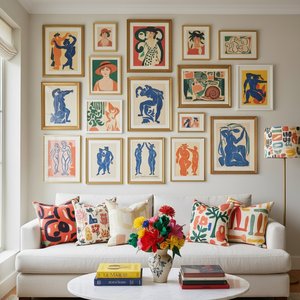
Prozkoumejte 25 ikonických děl Henri Matisse – mistra barev a fauvismu. Objevte příběhy za slavnými obrazy, techniky a inspiraci pro váš interiér. Reprodukce obrazů nejvyšší kvality na Most-Famous-Paintings.com.

Prozkoumejte 10 ikonických děl fauvismu od Matisse, Deraina a dalších. Objevte příběhy za expresionistickými barvami a revolučním uměleckým stylem. Najděte inspiraci pro váš interiér s reprodukcemi nejvyšší kvality na Most-Famous-Paintings.com.
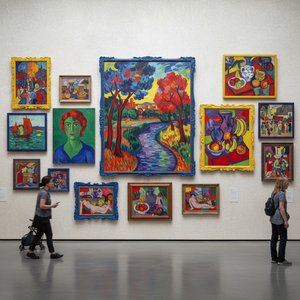
Prozkoumejte 10 ikonických děl fauvismu od Matisse, Deraina a dalších. Objevte příběhy za expresivními barvami a revolučním uměleckým stylem. Reprodukce obrazů nejvyšší kvality na Most-Famous-Paintings.cz – inspirace pro váš interiér!

Explore the revolutionary art of Henri Matisse! Discover his bold use of color, Fauvist origins, and lasting impact on modern painting. A comprehensive guide for art enthusiasts.

Explore the revolutionary Fauvism movement & Henri Matisse's bold use of color! Discover key characteristics, iconic artworks, and its lasting impact on modern art history with Most-Famous-Paintings.


Buďte na tahu s nejnovějšími novinkami ze světa umění, exkluzivními nabídkami a inspirativními nápady na dekoraci.
Sdělte nám více o svém projektu a naši odborníci na umění vám připraví 3 personalizované návrhy uměleckých děl.
Nechť pro vás vybereme 3 možnosti – zdarma!


 Náhled
 Sdílet
 Sdílet
 Podrobnosti o díle

 Stáhnout
 Podobné položky
 Rentgenové snímky
 Slideshow
 Zobrazit více







 Skleněná varianta je dostupná pouze u rozměrů menších než 110 cm