x

Ručně malovaná olejná barva na plátně ve vašem zvoleném rozměru i s rámem, vyrobená našimi umělci na zakázku. ( Koupit tisk Koupit obrázek)





























Vyberte si z našich přednastavených velikostí, které odpovídají původním proporcím díla.

Můžete zadat vlastní rozměry pro konkrétní rám nebo prostor. Pokud se vámi vybraná velikost neshoduje s proporcemi původního obrazu, dílo buď ořízneme, nebo jej doplníme ručně malovanými prvky. Před zahájením výroby vám bude zaslán digitální náhled ke schválení.
Upozorňujeme, že náhled na obrazovce neodpovídá skutečnému ořezu ani rozšíření. Pouze digitální náhled přesně zobrazí finální kompozici.
Ačkoliv je možné zvolit vlastní velikost, pro zachování původních proporcí doporučujeme vybrat rozměr z předdefinovaného seznamu.
Celosvětová doprava () za 3–4 týdny namísto standardních 5 týdnů. (19 srpen). Bez kompromisů v kvalitě.


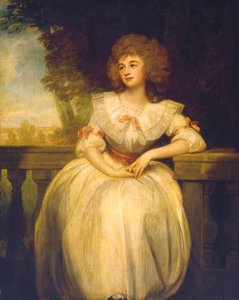
Mrs Charles Steuart
Rozměry reprodukce
Henry Raeburn’s “Mrs. Charles Steuart,” painted in 1794, is more than just a portrait; it's a meticulously crafted window into the social and artistic sensibilities of late 18th-century Britain. This captivating oil on canvas, currently residing within the hallowed halls of the Tate Gallery in London, exemplifies Raeburn’s mastery of capturing not only likeness but also the very essence of his subject – her poise, grace, and subtle air of wealth. The painting immediately draws the eye to Mrs. Steuart herself, a woman radiating an understated elegance through her carefully chosen attire and direct gaze. Her white gown, adorned with delicate pearl accents, speaks volumes about her social standing, while her brown hair, styled in a fashionable manner of the period, adds to the overall impression of refined beauty.
Raeburn’s technique is characterized by an extraordinary sensitivity to light and shadow. He employs soft, diffused colors – creams, browns, and subtle blues – to create a sense of warmth and intimacy within the scene. The background, featuring a carefully rendered landscape with trees and a sky, serves not merely as a backdrop but as an integral element of the composition, subtly enhancing the feeling of depth and tranquility. Notably, Raeburn’s skill lies in his ability to imbue the portrait with a sense of immediacy; it feels less like a formal depiction and more like a captured moment, inviting the viewer into Mrs. Steuart's world.
To fully appreciate “Mrs. Charles Steuart,” one must understand Henry Raeburn’s place within the broader context of 18th-century British art. Born in Stockbridge, Scotland, in 1756, Raeburn initially pursued a career as a goldsmith before dedicating himself to painting. His early training under James Gilliland honed his precision and attention to detail – skills that would prove invaluable in his later portraiture work. Raeburn’s rise to prominence was remarkable; he became the first native Scottish painter to achieve widespread acclaim and royal patronage, a testament to his talent and ambition.
The painting reflects Raeburn's growing confidence as an artist, moving beyond the more rigid conventions of earlier portraiture styles. He embraced a looser, more naturalistic approach, capturing not just the outward appearance of his subjects but also their personalities and inner lives. This shift towards realism was partly influenced by his time in Italy, where he studied the works of Michelangelo and other masters, absorbing their techniques and philosophies.
Beyond its aesthetic qualities, “Mrs. Charles Steuart” offers a glimpse into the social dynamics of the era. Portraits like this were not merely decorative; they served as powerful symbols of status, wealth, and lineage. The elaborate gown, the pearl necklace – these details communicated Mrs. Steuart’s position within the social hierarchy. The direct gaze of the subject also suggests a degree of self-assurance and confidence, qualities highly valued in women of her station.
Furthermore, Raeburn's decision to portray Mrs. Steuart in such a dignified manner reflects the prevailing attitudes towards women during this period – they were often idealized as virtuous, gentle, and refined. However, beneath the surface of elegance lies a subtle complexity; the painting invites us to contemplate not just her outward appearance but also her inner world.
For those captivated by “Mrs. Charles Steuart,” a wealth of resources is available for further exploration. The Tate Gallery's website offers detailed information about the painting, including high-resolution images and scholarly essays. Additionally, the Kendal Museum in the United Kingdom houses an impressive collection of artworks by Elias V. Coe, providing a broader context for understanding Raeburn’s artistic influences. Reproductions of “Mrs. Charles Steuart” are available through various sources, offering collectors and interior designers alike the opportunity to bring this timeless masterpiece into their own spaces.
The enduring appeal of “Mrs. Charles Steuart” lies in its ability to transport us back to a bygone era – a time of elegance, refinement, and artistic innovation. It is a testament to Henry Raeburn’s genius as a portrait painter and a valuable window into the social and cultural landscape of 18th-century Britain.


1756 - 1823 , Spojené království
Objevte 25 ikonických portrétů sira Joshuy Reynoldse! Prozkoumejte klasicistní umění, techniku malby a inspirativní příběhy za jeho mistrovskými díly. Luxusní reprodukce obrazů pro váš interiér na Most-Famous-Paintings.com.

Objevte 10 ikonických uměleckých děl vyzařujících elegancí – od Moneta po Rembrandta. Inspirace pro luxusní interiér a reprodukce obrazů nejvyšší kvality na Most-Famous-Paintings.com. Prozkoumejte celou kolekci online!
Explore the captivating history of elegance in art, from Rococo's grace to Romanticism’s passion. Discover investment-worthy masterpieces & expert guidance for building your collection with Most-Famous-Paintings.

Explore the elegant world of Charles-André van Loo, a master of Rococo portraiture at the French court. Discover his life, techniques, and enduring influence on 18th-century art. Hand-painted reproductions available.

Explore the exquisite world of Rococo art! Discover its history, masters (Watteau, Boucher & more), and defining elegance. Expert insights for collectors seeking museum-quality reproductions & custom portraits.


Buďte na tahu s nejnovějšími novinkami ze světa umění, exkluzivními nabídkami a inspirativními nápady na dekoraci.
Sdělte nám více o svém projektu a naši odborníci na umění vám připraví 3 personalizované návrhy uměleckých děl.
Nechť pro vás vybereme 3 možnosti – zdarma!


 Náhled
 Sdílet
 Sdílet
 Podrobnosti o díle

 Stáhnout
 Podobné položky
 Rentgenové snímky
 Slideshow


 Zobrazit více







 Skleněná varianta je dostupná pouze u rozměrů menších než 110 cm