x


 Koupit tisk Koupit digitální obrázek
 Sdílet
 Podrobnosti o díle
 Přidat do oblíbených
 Stáhnout
 Podobné položky
 Rentgenové snímky
 Slideshow
 Olej na desceEarly Netherlandish Painting
 1500Renesance
 60.0 x 71.0 cm
 Städelovo muzeum
Ručně malovaná olejná barva na plátně ve vašem zvoleném rozměru i s rámem, vyrobená našimi umělci na zakázku.





























Vyberte si z našich přednastavených velikostí, které odpovídají původním proporcím díla.

Můžete zadat vlastní rozměry pro konkrétní rám nebo prostor. Pokud se vámi vybraná velikost neshoduje s proporcemi původního obrazu, dílo buď ořízneme, nebo jej doplníme ručně malovanými prvky. Před zahájením výroby vám bude zaslán digitální náhled ke schválení.
Upozorňujeme, že náhled na obrazovce neodpovídá skutečnému ořezu ani rozšíření. Pouze digitální náhled přesně zobrazí finální kompozici.
Ačkoliv je možné zvolit vlastní velikost, pro zachování původních proporcí doporučujeme vybrat rozměr z předdefinovaného seznamu.
Celosvětová doprava () za 3–4 týdny namísto standardních 5 týdnů. (18 červenec). Bez kompromisů v kvalitě.


Ecce Homo
Rozměry reprodukce
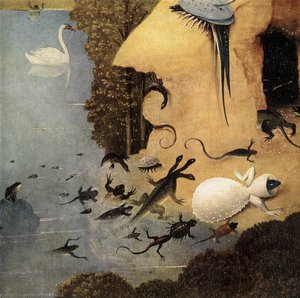
The painting before us, Hieronymus Bosch’s *Ecce Homo* (c. 1490s), is not merely a depiction of a biblical scene; it's an invitation to confront the complexities of human existence – suffering, judgment, and the enduring weight of faith. This arresting work, housed within the Indianapolis Museum of Art, offers a glimpse into the visionary world of one of the Renaissance’s most enigmatic figures, Bosch himself. The painting pulsates with a potent energy, drawing the viewer into a chaotic yet meticulously rendered tableau where earthly drama intertwines with profound spiritual implications.
At its core, *Ecce Homo* portrays the pivotal moment described in John 19:5 – Pontius Pilate presenting Christ to the jeering crowd before his crucifixion. Bosch doesn’t offer a straightforward historical account; instead, he amplifies the scene's emotional and symbolic resonance. We see Jesus, stripped and bound, lowered by Nicodemus and John amidst a throng of onlookers—Roman soldiers, grieving citizens, and figures radiating suspicion and hostility. The composition is deliberately crowded, reflecting the overwhelming nature of this moment of public humiliation. The architectural backdrop – a towering doorway leading to a cityscape – subtly suggests both earthly confinement and the promise of spiritual ascent.
Bosch’s artistic prowess is immediately evident in his masterful command of technique. Executed in oil on wood panel, the painting showcases the hallmarks of the Early Netherlandish style: painstaking detail combined with a distinctly unsettling atmosphere. Bosch's signature approach involves layering thin glazes of paint to build up color and form, creating a luminous quality that seems to emanate from within the figures themselves. Notice the meticulous rendering of drapery—each fold and pleat meticulously defined—and the subtle variations in texture across the stone surfaces. The artist’s use of line is equally striking; strong, deliberate lines delineate forms, particularly those of the human body, while softer, more fluid lines suggest movement and emotion.
The impasto technique – visible brushstrokes that add tactile richness to the surface—further enhances the painting's visual impact. Bosch doesn’t shy away from showing his hand; these deliberate marks contribute to the sense of immediacy and drama. The use of perspective, though not entirely consistent due to the crowded composition, creates a convincing illusion of depth, guiding the viewer’s eye through the scene.
Beyond its narrative power, *Ecce Homo* is rich in symbolism, reflecting Bosch's broader concerns about human nature and morality. The faces of the onlookers are not simply expressions of anger or disapproval; they represent a spectrum of human responses to suffering – fear, greed, indifference, and even a perverse fascination with Christ’s humiliation. The presence of Roman soldiers underscores the political context of Christ’s trial and execution, highlighting the conflict between imperial authority and spiritual truth. The architectural setting—the tower doorway—is often interpreted as a symbol of transition, representing the passage from earthly suffering to heavenly salvation.
Bosch's genius lies in his ability to imbue even seemingly mundane details with profound meaning. The inclusion of various animals – a dog gnawing at Christ’s heel, a snake coiled around his foot—adds layers of symbolic interpretation, referencing biblical allegories and reflecting Bosch’s fascination with the darker aspects of human behavior. The overall effect is one of unsettling beauty, inviting contemplation on themes of sin, redemption, and the enduring struggle between good and evil.
Hieronymus Bosch's *Ecce Homo* remains a powerfully evocative work of art, captivating viewers centuries after its creation. Its rich color palette, intricate detail, and profound emotional depth make it an ideal addition to any collection of Renaissance art. The painting’s dynamic composition and symbolic richness also lend themselves beautifully to interior design, offering a striking focal point for galleries, studies, or even larger living spaces. High-quality reproductions capture the nuances of Bosch's technique, allowing discerning art enthusiasts to appreciate this masterpiece in their own homes. It is more than just a painting; it’s an invitation to engage with one of history’s most compelling and unsettling visions.

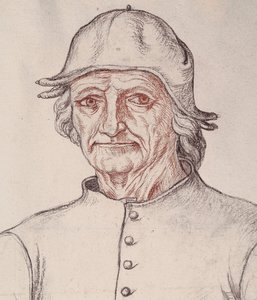
1450 - 1516 , Nizozemsko
Prozkoumejte 25 ikonických děl Hieronymuse Bosche! Obrazy plné symboliky, středověké fantazie a alegorií. Reprodukce v nejvyšší kvalitě pro váš interiér na Most-Famous-Paintings.com. Inspirace a umělecké tisky online.

Explore the captivating world of Hieronymus Bosch! Delve into the symbolism, religious context, and artistic innovation of this Netherlandish master with Most-Famous-Paintings's expert analysis. Discover his iconic paintings & lasting influence.

Objevte 10 ikonických děl rané nizozemské malby – Jan van Eyck, Rogier van der Weyden a další mistři. Ponořte se do renesanční techniky a historie umění s Most-Famous-Paintings.com! Prohlédněte si reprodukce obrazů pro váš interiér.

Prozkoumejte 25 ikonických děl Claude Moneta – mistra impresionismu. Obdivujte vodní lilie, krajiny a secesní obrazy plné světla a barev. Najděte inspiraci pro váš interiér s reprodukcemi nejvyšší kvality na Most-Famous-Paintings.com

Objevte 10 ikonických děl rané nizozemské renesance – Jan van Eyck, Robert Campin a další mistři. Ponořte se do příběhů olejomalby, portrétů a symboliky. Najděte inspiraci pro váš interiér s reprodukcemi nejvyšší kvality na Most-Famous-Paintings.com


Buďte na tahu s nejnovějšími novinkami ze světa umění, exkluzivními nabídkami a inspirativními nápady na dekoraci.
Sdělte nám více o svém projektu a naši odborníci na umění vám připraví 3 personalizované návrhy uměleckých děl.
Nechť pro vás vybereme 3 možnosti – zdarma!


 Sdílet

 Zobrazit více







 Skleněná varianta je dostupná pouze u rozměrů menších než 110 cm