x

Ručně malovaná olejná barva na plátně ve vašem zvoleném rozměru i s rámem, vyrobená našimi umělci na zakázku. ( Koupit tisk Koupit obrázek)





























Vyberte si z našich přednastavených velikostí, které odpovídají původním proporcím díla.

Můžete zadat vlastní rozměry pro konkrétní rám nebo prostor. Pokud se vámi vybraná velikost neshoduje s proporcemi původního obrazu, dílo buď ořízneme, nebo jej doplníme ručně malovanými prvky. Před zahájením výroby vám bude zaslán digitální náhled ke schválení.
Upozorňujeme, že náhled na obrazovce neodpovídá skutečnému ořezu ani rozšíření. Pouze digitální náhled přesně zobrazí finální kompozici.
Ačkoliv je možné zvolit vlastní velikost, pro zachování původních proporcí doporučujeme vybrat rozměr z předdefinovaného seznamu.
Celosvětová doprava () za 3–4 týdny namísto standardních 5 týdnů. (14 srpen). Bez kompromisů v kvalitě.


Two Monsters1
Rozměry reprodukce
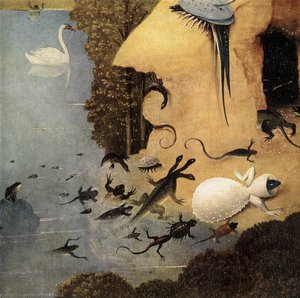
Hieronymus Bosch’s “Two Monsters,” a remarkably detailed pen and bistre drawing measuring 164 x 116 mm, offers an unsettling journey into the artist's profoundly imaginative world. Completed around 1500 and now residing within the Staatliche Museen, Berlin, this work transcends mere representation; it’s a visual embodiment of anxieties, temptations, and the darker aspects of human nature – a hallmark of Bosch’s enduring legacy. The drawing depicts two fantastical creatures locked in an intense interaction: a bird-like monster perched atop a lion-headed figure, with a smaller, undefined form lurking in the lower left corner. This isn't a scene intended for comfortable contemplation; it’s a deliberate provocation, designed to unsettle and invite interpretation.
Bosch’s mastery lies not just in the fantastical imagery but also in his meticulous technique. Executed with precise penmanship and accented with delicate bistre washes, the drawing showcases a remarkable level of detail. The hatching and cross-hatching employed to define forms create a palpable sense of texture – one can almost feel the roughness of the surfaces, the sharpness of the claws, and the feathery contours of the bird’s wings. The use of line is incredibly expressive; it's not simply outlining shapes but actively shaping volume and conveying movement. The diffused lighting, absent of any strong directional source, contributes to a dreamlike atmosphere, further emphasizing the otherworldly nature of the scene. Notice how the layering of forms creates an illusion of depth, despite the relatively flat perspective – Bosch masterfully manipulates space through line alone.
Bosch’s work is notoriously rich in symbolism, inviting endless speculation about its meaning. The two monsters themselves are likely allegorical representations of human vices or temptations. The bird-like creature could symbolize vanity and pride, while the lion-headed figure might represent earthly power and ambition. The sword and shield in the background add a layer of conflict – perhaps representing the struggle between good and evil, or the dangers of pursuing worldly desires. Considering Bosch’s own life and the turbulent times he lived through—a period marked by religious fervor, social unrest, and growing anxieties about morality—it's plausible that “Two Monsters” reflects these broader societal concerns. The small figure in the lower left corner could represent humanity itself, caught between these opposing forces.
“Two Monsters” firmly situates itself within the context of Early Netherlandish painting, yet it transcends simple categorization. While sharing a focus on meticulous detail and fantastical imagery with its contemporaries, Bosch’s work possesses a uniquely unsettling quality—a direct descendant of medieval iconography and folklore. The influence of Northern European art is evident in the drawing's expressive lines and use of shading, but Bosch pushes beyond established norms, creating a world that feels both familiar and profoundly strange. This combination of realism and surrealism distinguishes him as one of the most original artists of his era, paving the way for later movements like Surrealism. The piece stands as a testament to Bosch’s ability to tap into primal fears and anxieties, offering a timeless meditation on the complexities of human existence.

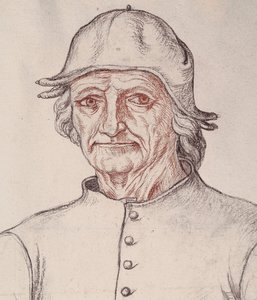
1450 - 1516 , Nizozemsko

Explore the fascinating history of anatomy in art! From Renaissance dissections to modern masterpieces, discover how artists & scientists collaborated to depict the human form with unprecedented realism. Learn more at Most-Famous-Paintings.

Explore the revolutionary art of Rogier van der Weyden, a pivotal figure of the Early Netherlandish Renaissance. Discover his emotional realism, innovative compositions, and lasting impact on painting history.

Explore the rich world of art symbolism! Uncover hidden meanings in masterpieces from Renaissance allegories to modern movements. A comprehensive guide for enthusiasts & collectors.

Explore the rich symbolism of water in art history – from ancient myths to Impressionism's fleeting beauty. Discover masterpieces & find your perfect serene artwork with Most-Famous-Paintings.com.

Explore the fascinating history of status symbols in art, from Renaissance masterpieces to modern expressions of wealth & identity. Discover how collecting art reflects and shapes legacy with expert insights.


Buďte na tahu s nejnovějšími novinkami ze světa umění, exkluzivními nabídkami a inspirativními nápady na dekoraci.
Sdělte nám více o svém projektu a naši odborníci na umění vám připraví 3 personalizované návrhy uměleckých děl.
Nechť pro vás vybereme 3 možnosti – zdarma!


 Náhled
 Sdílet
 Sdílet
 Podrobnosti o díle

 Stáhnout
 Podobné položky
 Rentgenové snímky
 Slideshow

 Zobrazit více







 Skleněná varianta je dostupná pouze u rozměrů menších než 110 cm