


x

Giclée nebo plátěný tisk muzeální kvality s rychlou výrobou a flexibilními možnostmi povrchové úpravy. ( Koupit ručně malovaný obraz Koupit obrázek)





























Vyberte si z našich přednastavených velikostí, které odpovídají původním proporcím díla.

Můžete zadat vlastní rozměry tak, aby výtvor odpovídal konkrétnímu rámu nebo prostoru. Pokud zvolená velikost nebude odpovídat poměru stran původního obrazu, dílo buď ořížeme, nebo obraz rozšíříme pomocí zrcadlového efektu či jednobarevného okraje. Před zahájením výroby vám bude zaslán digitální náhled k schválení.
Mějte prosím na paměti, že náhled na obrazovce neodráží skutečné oříznutí nebo rozšíření. Pouze digitální náhled přesně zobrazí finální kompozici.
Ačkoliv jsou k dispozici i vlastní rozměry, pro zachování původních proporcí doporučujeme vybrat si rozměr z předdefinovaného seznamu.
Celosvětové doručení () do 2 týdnů namísto standardních 4/5 týdnů. (19 srpen)


Alexander and Bucephalus
Rozměry reprodukce
Edgar Degas’s “Alexander and Bucephalus,” painted in 1861, isn't merely a depiction of a historical event; it’s a vibrant distillation of movement, power, and the complex relationship between man and beast. Born Hilaire-Germain-Edgar De Gas in Paris, Degas was an artist perpetually at odds with categorization – he resisted being labeled an Impressionist, preferring to define himself as a realist, driven by meticulous observation and unflinching honesty. This painting exemplifies that approach, capturing the raw energy of the scene with a remarkable sense of immediacy. The genesis of this work lies in Degas’s early fascination with classical art, honed through countless hours spent studying the masterpieces within the Louvre, yet tempered by his own unique vision and a desire to portray contemporary life with unprecedented dynamism.
The painting emerged during a pivotal period in Degas's career. He had initially pursued history painting, influenced by the rigorous training instilled by Louis Lamothe at the École des Beaux-Arts. However, he soon recognized the limitations of this traditional path and began to explore new subjects – particularly the world of ballet dancers and racehorses – finding within them a more compelling means of expressing his artistic sensibilities. “Alexander and Bucephalus” represents a crucial step in this evolution, showcasing Degas’s growing confidence in capturing fleeting moments and conveying psychological depth through simplified forms and bold brushstrokes.
The composition is immediately arresting – a dynamic tableau set against the backdrop of a dusty road leading towards indistinct buildings. Degas masterfully orchestrates five horses, their musculature rendered with astonishing detail, each conveying a distinct sense of movement. The central figure, Alexander the Great, astride his legendary warhorse Bucephalus, dominates the scene, yet he’s not presented as an idealized hero but rather as a participant in a powerful, almost chaotic exchange. The soldier riding nearby further emphasizes this dynamic interplay, creating a visual rhythm that pulls the viewer into the heart of the action.
Degas's technique is characterized by his innovative use of Impressionistic principles. He employed short, broken brushstrokes to capture the fleeting effects of light and shadow, eschewing traditional blending techniques in favor of a more direct and expressive approach. The colors are vibrant yet muted, reflecting the dusty atmosphere of the scene while simultaneously conveying a sense of urgency and excitement. Notably, Degas’s meticulous attention to detail—particularly in rendering the horses' anatomy—contrasts sharply with the loose brushwork used for the background, creating a compelling visual tension.
Beyond its technical brilliance, “Alexander and Bucephalus” is rich in symbolic meaning. The painting speaks to the enduring relationship between man and animal – a bond forged through mutual respect, trust, and power. Bucephalus, Alexander’s warhorse, was not merely a mount but a partner in battle, a creature of immense strength and intelligence. Their connection represents a microcosm of human ambition and dominance, yet also hints at the vulnerability inherent in such relationships.
Furthermore, the scene evokes themes of leadership, courage, and the challenges of command. Alexander’s posture, his gaze fixed on the horizon, suggests both determination and a certain weariness – the weight of responsibility borne by a young conqueror. The painting's emotional impact is profound, capturing not just a historical event but also the psychological complexities of power and the enduring allure of the wild.
Most-Famous-Paintings offers meticulously crafted oil painting reproductions of “Alexander and Bucephalus,” allowing you to bring this iconic masterpiece into your home or office. Our hand-painted reproductions faithfully capture the original’s vibrant colors, dynamic composition, and nuanced details, ensuring an authentic representation of Degas's artistic vision. Each reproduction is created by skilled artisans using archival-quality materials, guaranteeing its longevity and beauty for generations to come. Explore our collection today and experience the timeless power of this remarkable work of art.

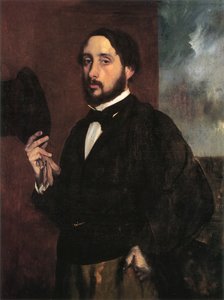
1834 - 1917 , Francie

Explore the captivating world of Edgar Degas! Discover his innovative techniques, iconic ballet paintings, and unique portrayal of Parisian life in this insightful art history study.

Prozkoumejte 10 ikonických děl impresionismu od Monet, Renoir a dalších. Objevte příběhy za obrazy plnými světla a barev. Reprodukce nejvyšší kvality pro váš interiér na Most-Famous-Paintings.com
Prozkoumejte 10 ikonických děl impresionismu od Monet, Renoir, Degas a dalších. Objevte příběhy za obrazy plnými světla a barev. Najděte perfektní umělecké reprodukce pro váš interiér na .

Prozkoumejte 10 ikonických děl impresionismu od Monet, Renoir a Van Gogha. Objevte příběhy za slavnými obrazy, techniky a inspiraci pro váš interiér. Kvalitní reprodukce na Most-Famous-Paintings.com!

Explore the rich history of horse painting! Discover masterpieces from Stubbs to Munnings & learn about symbolism, techniques & artists. Find museum-quality reproductions at Most-Famous-Paintings.


Buďte na tahu s nejnovějšími novinkami ze světa umění, exkluzivními nabídkami a inspirativními nápady na dekoraci.
Sdělte nám více o svém projektu a naši odborníci na umění vám připraví 3 personalizované návrhy uměleckých děl.
Nechť pro vás vybereme 3 možnosti – zdarma!


 Náhled
 Sdílet
 Sdílet
 Podrobnosti o díle

 Stáhnout
 Podobné položky
 Rentgenové snímky
 Slideshow

 Zobrazit více







 Skleněná varianta je dostupná pouze u rozměrů menších než 110 cm


