


x
Ručně malovaná olejná barva na plátně ve vašem zvoleném rozměru i s rámem, vyrobená našimi umělci na zakázku. ( Switch to Print Switch to Image)





























Vyberte si z našich přednastavených velikostí, které odpovídají původním proporcím díla.

Můžete zadat vlastní rozměry pro konkrétní rám nebo prostor. Pokud se vámi vybraná velikost neshoduje s proporcemi původního obrazu, dílo buď ořízneme, nebo jej doplníme ručně malovanými prvky. Před zahájením výroby vám bude zaslán digitální náhled ke schválení.
Upozorňujeme, že náhled na obrazovce neodpovídá skutečnému ořezu ani rozšíření. Pouze digitální náhled přesně zobrazí finální kompozici.
Ačkoliv je možné zvolit vlastní velikost, pro zachování původních proporcí doporučujeme vybrat rozměr z předdefinovaného seznamu.
Celosvětová doprava () za 3–4 týdny namísto standardních 5 týdnů. (30 červenec). Bez kompromisů v kvalitě.


Dancer
Rozměry reprodukce
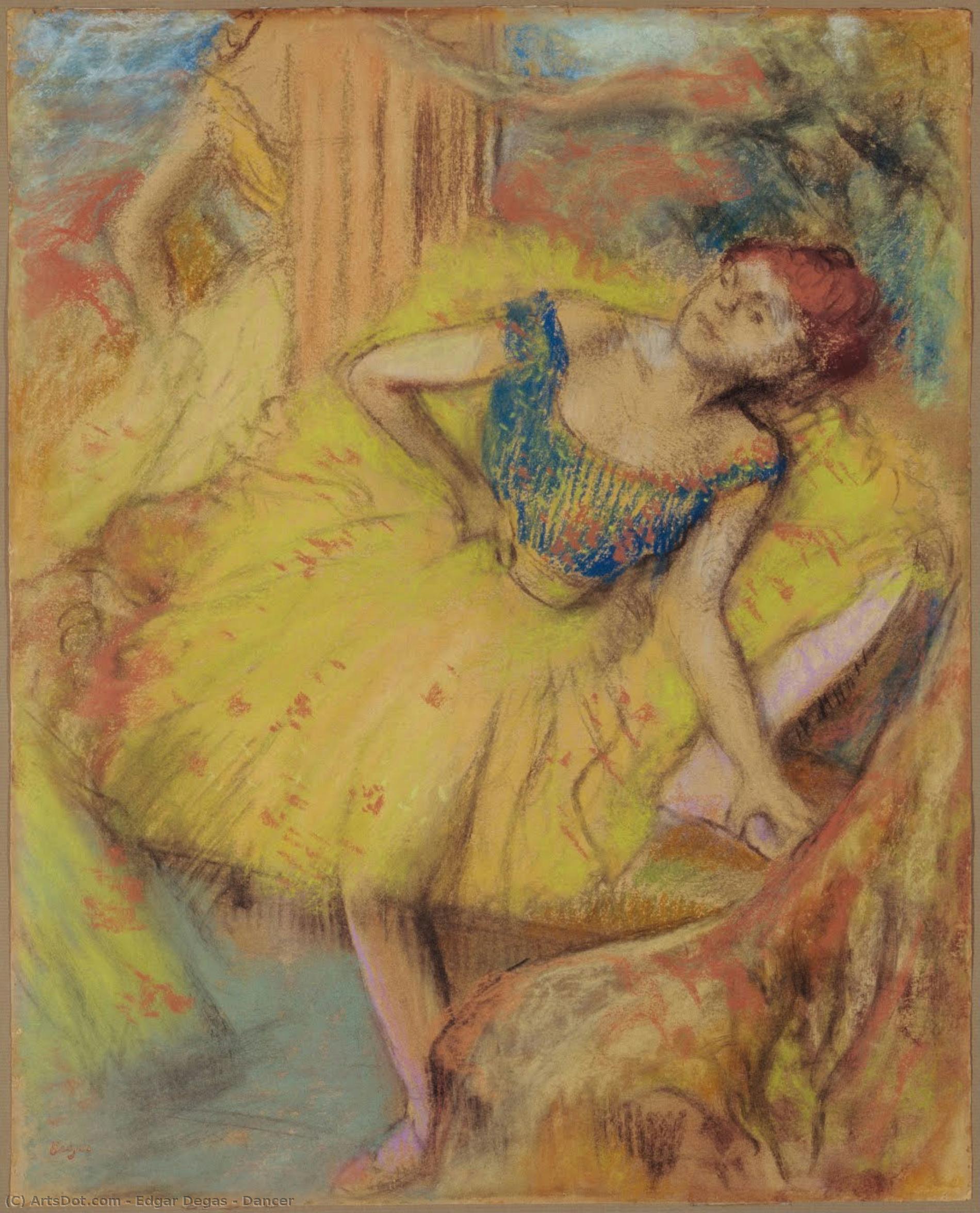
Edgar Degas’s “Dancer,” often referred to as “Dancers at the Barre,” is not merely a depiction of ballet; it's an exquisitely rendered distillation of movement, atmosphere, and the very essence of performance. Completed around 1898, this pastel masterpiece transcends simple portraiture, offering a profound glimpse into Degas’s lifelong fascination with the world of dance – a world he meticulously observed and relentlessly pursued on canvas. The painting immediately draws the eye to its central subject: a young dancer poised at the barre, her body coiled in a graceful contraction, her gaze fixed intently ahead. She is not frozen in a static pose but appears suspended mid-effort, embodying the dynamic tension between preparation and execution that defines ballet.

Degas’s genius lies not just in his subject matter but also in his masterful manipulation of pastel – a medium he favored late in his career. He eschewed the traditional, polished finish often associated with pastels, instead embracing a deliberately rough and textured surface. This technique, combined with his loose brushstrokes and vibrant color palette, creates an immediate sense of immediacy and spontaneity. Notice how the cool blues and greens of the studio walls contrast sharply with the warm flesh tones of the dancer, emphasizing her presence within the space. The use of broken color – applying small strokes of different hues side-by-side rather than blending them seamlessly – contributes to the painting’s shimmering quality and its ability to capture the fleeting effects of light and shadow. Degas's meticulous attention to detail, particularly in rendering the dancer’s musculature and the subtle nuances of her posture, reveals a deep understanding of anatomy and movement.
“Dancer” is firmly rooted in the vibrant atmosphere of late 19th-century Paris – the Belle Époque. Degas was deeply embedded within this cultural milieu, frequenting ballet theaters and studios, sketching dancers from behind scrims to capture their movements without disrupting the performance. This painting reflects his intimate knowledge of the ballet world, capturing not just the physical appearance of the dancer but also the atmosphere of dedication, discipline, and artistry that permeated Parisian dance halls. The inclusion of the other figures in the background – a teacher offering guidance, a fellow dancer adjusting her costume – adds to this sense of realism and provides context for the scene.
Beyond its technical brilliance, “Dancer” is rich in symbolic meaning. The dancer’s intense focus represents the dedication required to master the demanding art of ballet. Her poised posture embodies grace, strength, and control – qualities that are both physically challenging and aesthetically beautiful. The barre itself serves as a symbol of discipline and preparation, highlighting the rigorous training that underpins every successful performance. Degas's choice to depict a dancer in mid-movement—a moment of intense concentration before or after a performance—captures the ephemeral nature of beauty and the fleeting moments of artistic expression.
“Dancer” remains one of Degas’s most celebrated works, offering a captivating glimpse into his unique vision of the world. Its evocative atmosphere, masterful technique, and profound symbolism continue to resonate with viewers today. Whether admired for its technical brilliance or its emotional depth, this painting stands as a testament to Degas's enduring legacy as one of the greatest artists of the modern era. Reproductions capture much of the original’s magic, offering an accessible way to bring this iconic image into your home and experience the beauty of Degas’s artistic vision.


1834 - 1917 , Francie

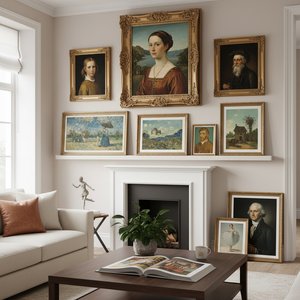
Prozkoumejte 25 ikonických děl z Metropolitního muzea v New Yorku! Objevte příběhy Van Gogha, Moneta a dalších mistrů. Reprodukce obrazů pro váš interiér na Most-Famous-Paintings.com.
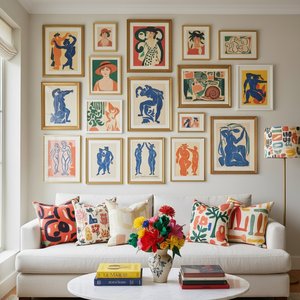
Prozkoumejte 25 ikonických děl Henri Matisse – mistra barev a fauvismu. Objevte příběhy za slavnými obrazy, techniky a inspiraci pro váš interiér. Reprodukce obrazů nejvyšší kvality na Most-Famous-Paintings.com.
Objevte 25 ikonických děl Národní galerie umění ve Washingtonu! Prozkoumejte příběhy Cézanna, Matisse a Picassa. Inspirace pro váš interiér s reprodukcemi obrazů nejvyšší kvality na Most-Famous-Paintings.com.

Prozkoumejte 25 ikonických děl z Detroit Institute of Arts! Obrazy Van Gogha, Moneta a Rembrandta ožívají. Inspirace pro váš interiér s reprodukcemi nejvyšší kvality na Most-Famous-Paintings.com.

Explore the captivating history of dance in art! From Degas' ballet scenes to abstract expressions, discover how artists have captured movement and cultural significance across time. Expert insights for collectors & enthusiasts.


Buďte na tahu s nejnovějšími novinkami ze světa umění, exkluzivními nabídkami a inspirativními nápady na dekoraci.
Sdělte nám více o svém projektu a naši odborníci na umění vám připraví 3 personalizované návrhy uměleckých děl.
Nechť pro vás vybereme 3 možnosti – zdarma!


 Preview
 Sdílet
 Sdílet
 Podrobnosti o díle

 Stáhnout
 Podobné položky
 Rentgenové snímky
 Slideshow

 Zobrazit více







 Skleněná varianta je dostupná pouze u rozměrů menších než 110 cm


