


x

 Oil On CanvasWallArtImpressionist Realism
 1900
1900 180.0 x 152.0 cm
 Chrysler Museum of Art
Giclée nebo plátěný tisk muzeální kvality s rychlou výrobou a flexibilními možnostmi povrchové úpravy. ( Koupit ručně malovaný obraz Koupit obrázek)





























Vyberte si z našich přednastavených velikostí, které odpovídají původním proporcím díla.

Můžete zadat vlastní rozměry tak, aby výtvor odpovídal konkrétnímu rámu nebo prostoru. Pokud zvolená velikost nebude odpovídat poměru stran původního obrazu, dílo buď ořížeme, nebo obraz rozšíříme pomocí zrcadlového efektu či jednobarevného okraje. Před zahájením výroby vám bude zaslán digitální náhled k schválení.
Mějte prosím na paměti, že náhled na obrazovce neodráží skutečné oříznutí nebo rozšíření. Pouze digitální náhled přesně zobrazí finální kompozici.
Ačkoliv jsou k dispozici i vlastní rozměry, pro zachování původních proporcí doporučujeme vybrat si rozměr z předdefinovaného seznamu.
Celosvětové doručení () do 2 týdnů namísto standardních 4/5 týdnů. (21 srpen)


Dancer with Bouquets
Rozměry reprodukce
Edgar Degas' "Dancer with Bouquets," painted around 1900, isn’t merely a portrait; it’s a carefully constructed tableau of fleeting beauty and the quiet dignity of a life dedicated to art. This captivating work, housed in the collection of the Chrysler Museum of Art in Norfolk, Virginia, offers a rare glimpse into Degas' evolving artistic vision as he moved away from the bustling Parisian scenes that initially defined his career and toward a more introspective exploration of the human form.
The painting immediately draws the eye to its central figure: a ballerina poised on one leg, her body subtly curved in a moment of elegant repose. She’s not caught mid-performance, but rather in a brief pause – a quiet contemplation after a dance or perhaps a moment of preparation. Her gaze is directed slightly off-camera, inviting the viewer into her world and suggesting a private intimacy. The bouquet of flowers at her feet—a vibrant mix of roses, lilies, and other blooms—isn’t simply decorative; it's a potent symbol of beauty, fragility, and the ephemeral nature of life itself. Degas masterfully uses color to enhance this symbolism, with the rich reds and pinks of the flowers contrasting against the dancer’s pale skin and the muted tones of her costume.
Degas' technique in "Dancer with Bouquets" is a fascinating blend of realism and abstraction. He employs loose, expressive brushstrokes—a hallmark of his mature style—to create a sense of movement and immediacy. The background is rendered in broad, flat planes of color, almost eliminating detail and emphasizing the flatness of the canvas itself. This deliberate simplification mirrors Degas’s rejection of academic painting conventions and his desire to capture the essence of his subject rather than meticulously documenting every surface. Thick black outlines define the dancer's form, further isolating her within the composition and drawing attention to her posture and gesture.
The lighting is particularly striking, casting a harsh, almost theatrical light that seems to both illuminate and obscure the ballerina’s features. This dramatic effect contributes to the painting’s overall sense of intensity and drama. Degas was known for his meticulous observation of dancers, often attending performances at the Paris Opera Ballet and sketching them in their dressing rooms. He sought to capture not just their physical appearance but also their spirit—their grace, their strength, and their vulnerability.
"Dancer with Bouquets" was painted during a period of significant social and artistic change in France. The Impressionist movement had revolutionized painting, challenging traditional notions of subject matter and technique. Degas, while often associated with the Impressionists, resisted being fully categorized within their group. He maintained a commitment to realism but embraced new approaches to color, composition, and brushwork. This work reflects his ongoing exploration of modern life—the lives of artists, performers, and ordinary people—and his desire to capture the fleeting moments that define human experience.
The painting’s subject matter – ballet dancers – was particularly significant in late 19th-century Paris. Ballet was a popular form of entertainment, but it was also often viewed as a world of glamour and superficiality. Degas sought to reveal the hard work, dedication, and physical demands behind this seemingly frivolous profession, offering a more honest and nuanced portrayal than had previously been seen.
“Dancer with Bouquets” transcends its subject matter to evoke a powerful sense of emotion. The ballerina’s poised posture and contemplative gaze invite the viewer to contemplate themes of beauty, grace, and the passage of time. There's a quiet melancholy in the scene—a recognition of the fleeting nature of youth and the inevitable decline that comes with age. Despite this underlying sadness, the painting ultimately celebrates the enduring power of art and the human spirit.
Degas’s influence on subsequent generations of artists is undeniable. His innovative techniques and his willingness to challenge artistic conventions paved the way for many modern painters. “Dancer with Bouquets” remains one of his most iconic works, a testament to his genius and a timeless celebration of beauty and grace.

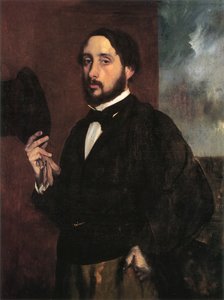
1834 - 1917 , Francie

Explore the captivating world of Edgar Degas! Discover his innovative techniques, iconic ballet paintings, and unique portrayal of Parisian life in this insightful art history study.

Prozkoumejte 10 ikonických děl impresionismu od Monet, Renoir a dalších. Objevte příběhy za obrazy plnými světla a barev. Reprodukce nejvyšší kvality pro váš interiér na Most-Famous-Paintings.com

Prozkoumejte 10 ikonických děl impresionismu od Monet, Renoir a Van Gogha. Objevte příběhy za slavnými obrazy, techniky a inspiraci pro váš interiér. Kvalitní reprodukce na Most-Famous-Paintings.com!
Prozkoumejte 10 ikonických děl impresionismu od Monet, Renoir, Degas a dalších. Objevte příběhy za obrazy plnými světla a barev. Najděte perfektní umělecké reprodukce pro váš interiér na .

Prozkoumejte 10 ikonických děl impresionismu od Monet, Renoir a dalších. Objevte příběhy za slavnými obrazy, techniky malby a inspiraci pro váš interiér. Reprodukce umění nejvyšší kvality na Most-Famous-Paintings.com.


Buďte na tahu s nejnovějšími novinkami ze světa umění, exkluzivními nabídkami a inspirativními nápady na dekoraci.
Sdělte nám více o svém projektu a naši odborníci na umění vám připraví 3 personalizované návrhy uměleckých děl.
Nechť pro vás vybereme 3 možnosti – zdarma!


 Náhled
 Sdílet
 Sdílet
 Podrobnosti o díle

 Stáhnout
 Podobné položky
 Rentgenové snímky
 Slideshow
 Zobrazit více







 Skleněná varianta je dostupná pouze u rozměrů menších než 110 cm


