


x

Giclée nebo plátěný tisk muzeální kvality s rychlou výrobou a flexibilními možnostmi povrchové úpravy. ( Koupit ručně malovaný obraz Koupit obrázek)





























Vyberte si z našich přednastavených velikostí, které odpovídají původním proporcím díla.

Můžete zadat vlastní rozměry tak, aby výtvor odpovídal konkrétnímu rámu nebo prostoru. Pokud zvolená velikost nebude odpovídat poměru stran původního obrazu, dílo buď ořížeme, nebo obraz rozšíříme pomocí zrcadlového efektu či jednobarevného okraje. Před zahájením výroby vám bude zaslán digitální náhled k schválení.
Mějte prosím na paměti, že náhled na obrazovce neodráží skutečné oříznutí nebo rozšíření. Pouze digitální náhled přesně zobrazí finální kompozici.
Ačkoliv jsou k dispozici i vlastní rozměry, pro zachování původních proporcí doporučujeme vybrat si rozměr z předdefinovaného seznamu.
Celosvětové doručení () do 2 týdnů namísto standardních 4/5 týdnů. (18 srpen)


Jerome Ottoz
Rozměry reprodukce
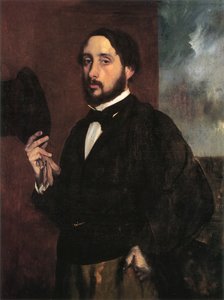
Edgar Degas’s “Jerome Ottoz,” painted in 1876, is more than just a portrait; it’s a carefully constructed moment of observation, a testament to the artist’s profound understanding of human character and his masterful manipulation of light and form. This oil on canvas work offers a glimpse into the world of Parisian society during the Impressionist era, capturing not merely an appearance but a subtle sense of dignity and contemplation within the subject himself. The painting's power resides in its intimate scale – a close-up view that demands attention to every detail, from the meticulously rendered texture of Ottoz’s attire to the thoughtful cast of his gaze.
Degas, though often associated with the Impressionist movement, maintained a distinct artistic philosophy. He resisted the label, preferring to describe himself as a realist, driven by an unwavering commitment to honest observation. This dedication is vividly apparent in “Jerome Ottoz.” The artist’s bold brushstrokes, characteristic of his style, don't simply depict; they convey a sense of movement and atmosphere. Notice how Degas utilizes broken color – small, distinct strokes layered upon one another – to create an illusion of shimmering light and shadow, particularly around the hat brim and the folds of Ottoz’s clothing. This technique, crucial to Impressionism, elevates the portrait beyond a static representation, imbuing it with a dynamic quality.
Jerome Ottoz himself is presented as a man of quiet sophistication. His attire – a dark hat, tie, and likely formal jacket – speaks to his status within Parisian society. The artist’s deliberate focus on the subject's face, with its subtle expression and carefully rendered beard and mustache, invites us to contemplate his inner life. There’s an air of seriousness in Ottoz’s gaze, suggesting a thoughtful or perhaps even melancholic disposition. While the painting lacks overt symbolism, it embodies the Impressionist fascination with capturing everyday moments and the complexities of human experience. The hat itself can be interpreted as a symbol of status and profession, further grounding the portrait within its historical context.
"Jerome Ottoz" exemplifies Degas’s technical prowess with oil on canvas. The layering of paint creates depth and texture, allowing light to play across the surface in a captivating manner. The painting's composition—a tight cropping that forces the viewer into an intimate relationship with the subject—is a hallmark of Degas’s approach. This work stands as a significant example of his contribution to the Impressionist movement, showcasing his ability to capture not just likeness but also mood and character. It is a piece that continues to resonate with viewers today, demonstrating the enduring power of observation and artistic skill.

1834 - 1917 , Francie

Prozkoumejte 10 nejslavnějších obrazů s dominantní černou barvou od Van Gogha, Muncha a dalších mistrů. Objevte příběhy za uměleckými díly, techniky a inspiraci. Reprodukce obrazů nejvyšší kvality na Most-Famous-Paintings.com.

Explore the captivating world of Edgar Degas! Discover his innovative techniques, iconic ballet paintings, and unique portrayal of Parisian life in this insightful art history study.

Prozkoumejte 10 ikonických impresionistických krajin od Monet, Renoir a dalších. Objevte příběhy umělců, techniky a barvy, které definovaly toto revoluční hnutí. Najděte dokonalý obraz pro váš interiér na Most-Famous-Paintings.cz

Prozkoumejte 10 ikonických impresionistických krajin od Monet, Renoir a dalších. Objevte příběhy umělců, techniky a barevnost tohoto revolučního hnutí. Najděte perfektní obraz pro váš interiér na Most-Famous-Paintings.com

Journey through Impressionistic Realism with 10 iconic masterpieces by Monet, Renoir & Van Gogh. Explore art history, techniques & find museum-quality reproductions for your home at Most-Famous-Paintings.com. Discover all masterpieces online!


Buďte na tahu s nejnovějšími novinkami ze světa umění, exkluzivními nabídkami a inspirativními nápady na dekoraci.
Sdělte nám více o svém projektu a naši odborníci na umění vám připraví 3 personalizované návrhy uměleckých děl.
Nechť pro vás vybereme 3 možnosti – zdarma!


 Náhled
 Sdílet
 Sdílet
 Podrobnosti o díle

 Stáhnout
 Podobné položky
 Rentgenové snímky
 Slideshow

 Zobrazit více







 Skleněná varianta je dostupná pouze u rozměrů menších než 110 cm


