


x

Ručně malovaná olejná barva na plátně ve vašem zvoleném rozměru i s rámem, vyrobená našimi umělci na zakázku. ( Přepnout na tisk Přepnout na obrázek)





























Vyberte si z našich přednastavených velikostí, které odpovídají původním proporcím díla.

Můžete zadat vlastní rozměry pro konkrétní rám nebo prostor. Pokud se vámi vybraná velikost neshoduje s proporcemi původního obrazu, dílo buď ořízneme, nebo jej doplníme ručně malovanými prvky. Před zahájením výroby vám bude zaslán digitální náhled ke schválení.
Upozorňujeme, že náhled na obrazovce neodpovídá skutečnému ořezu ani rozšíření. Pouze digitální náhled přesně zobrazí finální kompozici.
Ačkoliv je možné zvolit vlastní velikost, pro zachování původních proporcí doporučujeme vybrat rozměr z předdefinovaného seznamu.
Celosvětová doprava () za 3–4 týdny namísto standardních 5 týdnů. (10 srpen). Bez kompromisů v kvalitě.


Roman Ruins
Rozměry reprodukce
Hubert Robert (1733 – 1808), a Parisian painter whose career spanned the turbulent decades preceding and during the French Revolution, stands as an emblem of Romanticism's fascination with ruins—not merely as physical remnants of grandeur past but as symbols of time’s relentless march and the sublime power of nature. His artwork transcends mere representation; it strives to evoke emotion and contemplation, capturing a fleeting moment of ethereal beauty amidst crumbling stone.
Robert's canvases frequently depict landscapes dominated by ruined villas and temples—sites once celebrated for their opulent splendor now overgrown with vegetation and imbued with an air of melancholy. These scenes aren’t haphazard assemblages of stones; they are carefully constructed compositions designed to convey a profound sense of atmosphere. Consider “Roman Ruins,” where a majestic archway frames a vista of crumbling walls, verdant foliage, and figures engaged in quiet contemplation. This juxtaposition—the monumental architecture against the tranquil wilderness—immediately establishes a dialogue between history and nature.
Robert’s artistic approach aligns perfectly with the Romantic capriccio style – a genre characterized by spontaneous landscapes infused with imaginative elements. Unlike Neoclassical paintings that prioritized rational order and idealized forms, Robert embraced irregularity and emotion. He skillfully blended observation with fantasy, creating scenes that felt both grounded in reality and transcendentally beautiful. The artist’s loose brushwork—visible paint strokes—contribute to the overall impression of dynamism and immediacy.
Robert employed oil paints on canvas as his medium, allowing him to achieve remarkable tonal range and textural depth. He meticulously rendered light and shadow, capturing the subtle nuances of sunlight filtering through foliage—a technique that exemplifies Romanticism’s preoccupation with sensory experience. The artist's attention to detail is evident in the depiction of crumbling stone surfaces, moss-covered walls, and individual leaves, creating a palpable sense of realism alongside an overarching feeling of grandeur.
"Roman Ruins" speaks volumes about Romantic ideals. The decaying edifice represents not just physical deterioration but also the inevitable passage of time—a reminder that even the most magnificent creations are ultimately vulnerable to oblivion. Yet, amidst this decay flourishes life—represented by abundant vegetation and human figures—suggesting themes of regeneration and resilience. Robert’s paintings tap into the sublime – a feeling of awe inspired by confronting overwhelming beauty or terror—provoking contemplation on humanity's place within the vastness of nature and history.
Ultimately, Hubert Robert’s “Roman Ruins” achieves its emotional resonance through a masterful blend of visual elements. The warm color palette – ochres, browns, golds – evokes antiquity and warmth, while the dramatic lighting illuminates the central archway and casts shadows within the ruins. The composition draws the viewer inward, fostering a sense of intimacy with the scene and encouraging reflection on its profound symbolism. It’s a painting that lingers in the memory long after viewing—a testament to Robert's ability to transform observation into evocative art.


1733 - 1808 , Francie

Explore the emotional depth of Romantic landscape painting (18th-19th century). Discover key artists like Friedrich & Cole, and the concepts of the sublime. Expert insights for art lovers & collectors.

Explore the emotional power of Romantic landscape painting! Discover the sublime & picturesque traditions, key artists like Friedrich & Cole, and find your perfect artwork at Most-Famous-Paintings.
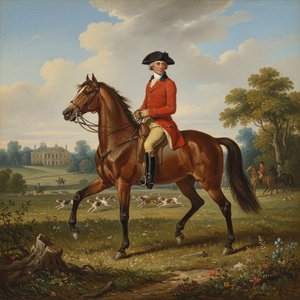
Explore the captivating equestrian art of John Nost Sartorius (1759-1828). Discover his detailed paintings of racehorses, hunting scenes & aristocratic life. Learn about collecting Sartorius's work and its lasting value.

Explore the rich history of 18th & 19th-century art! Discover Romanticism, Realism, and iconic masters like Delacroix & Courbet. Expert insights & high-quality reproductions at Most-Famous-Paintings.

Explore the art of the Enlightenment! Discover Rococo's elegance, Neoclassicism’s virtue, & David’s revolutionary masterpieces. Uncover the sociopolitical context shaping 18th-century European painting.


Buďte na tahu s nejnovějšími novinkami ze světa umění, exkluzivními nabídkami a inspirativními nápady na dekoraci.
Sdělte nám více o svém projektu a naši odborníci na umění vám připraví 3 personalizované návrhy uměleckých děl.
Nechť pro vás vybereme 3 možnosti – zdarma!


 Náhled
 Sdílet
 Sdílet
 Podrobnosti o díle

 Stáhnout
 Podobné položky
 Rentgenové snímky
 Slideshow


 Zobrazit více







 Skleněná varianta je dostupná pouze u rozměrů menších než 110 cm


