x

 Oil On CanvasWallArtBaroque
 1640
1640 245.0 x 178.0 cm
 Wallraf-Richartz-Museum
Ručně malovaná olejná barva na plátně ve vašem zvoleném rozměru i s rámem, vyrobená našimi umělci na zakázku. ( Koupit tisk Koupit obrázek)





























Vyberte si z našich přednastavených velikostí, které odpovídají původním proporcím díla.

Můžete zadat vlastní rozměry pro konkrétní rám nebo prostor. Pokud se vámi vybraná velikost neshoduje s proporcemi původního obrazu, dílo buď ořízneme, nebo jej doplníme ručně malovanými prvky. Před zahájením výroby vám bude zaslán digitální náhled ke schválení.
Upozorňujeme, že náhled na obrazovce neodpovídá skutečnému ořezu ani rozšíření. Pouze digitální náhled přesně zobrazí finální kompozici.
Ačkoliv je možné zvolit vlastní velikost, pro zachování původních proporcí doporučujeme vybrat rozměr z předdefinovaného seznamu.
Celosvětová doprava () za 3–4 týdny namísto standardních 5 týdnů. (16 srpen). Bez kompromisů v kvalitě.


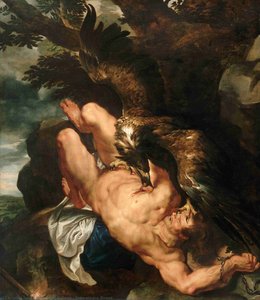
Prometheus Bound
Rozměry reprodukce
Jacob Jordaens’ “Prometheus Bound,” painted around 1640, isn’t merely a depiction of a Greek myth; it’s a visceral embodiment of rebellion, suffering, and the enduring human spirit. Rooted firmly in the vibrant artistic landscape of Antwerp during the Baroque period, this monumental canvas pulsates with an intensity rarely found in earlier works. Jordaens, a master of capturing everyday life yet equally adept at grand mythological scenes, here elevates the story of Prometheus – the Titan who defied Zeus to bring fire and knowledge to humanity – into a profoundly moving experience for the viewer.
(Image: Jacob Jordaens’ “Prometheus Bound,” 1640)
The painting immediately commands attention with its dramatic composition. Jordaens eschews the idealized serenity often associated with classical depictions, opting instead for a chaotic yet meticulously orchestrated scene. Prometheus, chained to a jagged rock in the desolate landscape, is not presented as a heroic figure but as a creature of immense suffering – his body contorted in agony, his face etched with defiance and despair. The looming eagle, poised to deliver the final blow, adds an element of terrifying immediacy. The figures surrounding him—Zeus’s agent Kratos and the blacksmith Hephaestus—are rendered with brutal realism, their faces conveying a cold, merciless determination. Jordaens masterfully uses diagonal lines – from Prometheus's lower left corner upwards towards the imposing figure of Zeus – to draw the viewer’s eye through the composition, intensifying the sense of struggle and tension.
Jordaens’ technical skill is breathtaking. He employs a layering technique, building up color and form with countless brushstrokes, creating an astonishingly rich surface texture. The skin tones of Prometheus are rendered with subtle variations in tone, conveying the weight of his suffering while retaining a sense of humanity. The feathers of the eagle are meticulously detailed, capturing their volume and movement with remarkable precision. Notice the dramatic use of chiaroscuro – the stark contrast between light and shadow – which highlights key areas like Prometheus’s wounds and the divine figure's radiant form, further amplifying the emotional impact. The dark background, punctuated by hints of distant trees, serves to isolate the central drama and intensify the feeling of confinement.
“Prometheus Bound” is laden with symbolic meaning. Prometheus’s act of stealing fire from the gods represents a profound challenge to authority – a rejection of divine control in favor of human progress. His punishment embodies the price of knowledge and innovation. The chained Titan becomes a potent symbol of sacrifice, enduring unimaginable pain for the benefit of humankind. The eagle, traditionally associated with Zeus, here symbolizes tyranny and relentless pursuit. Yet, within this scene of suffering lies an undeniable message of hope: Prometheus’s defiance ultimately paves the way for human advancement, suggesting that even in the face of overwhelming adversity, the spirit of rebellion can triumph.
Jordaens' "Prometheus Bound" stands as a testament to his mastery of the Baroque style – a period characterized by dramatic intensity, emotional depth, and an embrace of realism. Influenced by artists like Rubens and Caravaggio, Jordaens infused his work with a uniquely Flemish sensibility, capturing not only the grandeur of mythological narratives but also the gritty realities of everyday life. This painting continues to resonate today, offering a timeless meditation on themes of freedom, suffering, and the enduring power of the human spirit.


1593 - 1678 , Belgie

Discover Jacob Jordaens, a leading Flemish Baroque painter renowned for his dynamic compositions & realistic genre scenes. Explore his life, art, and lasting influence with Most-Famous-Paintings.

Explore the captivating history of mythological narratives in Western art! From ancient Greece to modern masterpieces, discover iconic artworks & symbolism. Expert analysis and high-quality reproductions at Most-Famous-Paintings.

Objevte velkolepost barokního stylu v interiéru! Průvodce klíčovými prvky, inspirace a tipy pro integraci do moderního bydlení. Reprodukce umění s .

Explore the dramatic world of Baroque art! Discover iconic artists like Caravaggio & Rubens, defining techniques, and its lasting impact on art history. Expert insights for collectors & enthusiasts at Most-Famous-Paintings.
Embark on a sophisticated journey through the eternal allure of mythological art. Discover how master painters breathe life into ancient legends, from Greek deities to Baroque masterpieces, and learn to curate these timeless narratives within your own exquisite art collection.


Buďte na tahu s nejnovějšími novinkami ze světa umění, exkluzivními nabídkami a inspirativními nápady na dekoraci.
Sdělte nám více o svém projektu a naši odborníci na umění vám připraví 3 personalizované návrhy uměleckých děl.
Nechť pro vás vybereme 3 možnosti – zdarma!


 Náhled
 Sdílet
 Sdílet
 Podrobnosti o díle

 Stáhnout
 Podobné položky
 Rentgenové snímky
 Slideshow
 Zobrazit více







 Skleněná varianta je dostupná pouze u rozměrů menších než 110 cm