x

Ručně malovaná olejná barva na plátně ve vašem zvoleném rozměru i s rámem, vyrobená našimi umělci na zakázku. ( Přepnout na tisk Přepnout na obrázek)





























Vyberte si z našich přednastavených velikostí, které odpovídají původním proporcím díla.

Můžete zadat vlastní rozměry pro konkrétní rám nebo prostor. Pokud se vámi vybraná velikost neshoduje s proporcemi původního obrazu, dílo buď ořízneme, nebo jej doplníme ručně malovanými prvky. Před zahájením výroby vám bude zaslán digitální náhled ke schválení.
Upozorňujeme, že náhled na obrazovce neodpovídá skutečnému ořezu ani rozšíření. Pouze digitální náhled přesně zobrazí finální kompozici.
Ačkoliv je možné zvolit vlastní velikost, pro zachování původních proporcí doporučujeme vybrat rozměr z předdefinovaného seznamu.
Celosvětová doprava () za 3–4 týdny namísto standardních 5 týdnů. (8 srpen). Bez kompromisů v kvalitě.


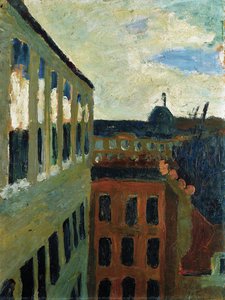
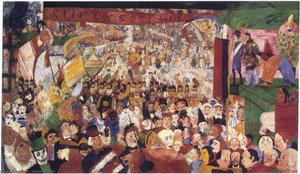
Cercle du phare et restaurant
Rozměry reprodukce
James Ensor’s “Cercle du phare et restaurant,” painted circa 1890, stands as a testament to the artist's singular approach to watercolor and his profound engagement with themes of solitude, observation, and subtle defiance. This unassuming landscape—depicting a coastal street bathed in muted light—appears at first glance to convey serenity; however, beneath its placid surface lies a complex tapestry of psychological nuance that firmly establishes Ensor’s place within the burgeoning Expressionist movement.
The historical context surrounding “Cercle du phare et restaurant” is crucial to understanding its significance. Painted during Ensor’s formative years, it reflects the anxieties and uncertainties prevalent in Europe at the turn of the century – a period marked by rapid industrialization, social upheaval, and growing disillusionment with bourgeois ideals. Ensor's fascination with masks—a recurring motif throughout his oeuvre—finds expression here; they symbolize concealment, duality, and the hidden realities beneath appearances.
“Cercle du phare et restaurant” exemplifies Ensor’s unwavering commitment to artistic innovation and psychological exploration. It remains a captivating artwork for interior designers seeking to infuse their spaces with an element of contemplative beauty—a subtle invitation to consider the complexities of human experience beyond the surface level.


1860 - 1949 , Belgie
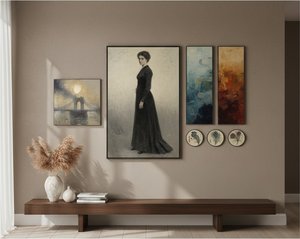
Prozkoumejte 25 ikonických děl Jamese Abbotta McNeilla Whistlera! Obrazy Nocturnes, portréty a estetismus. Inspirace pro interiér s uměleckými reprodukcemi nejvyšší kvality na Most-Famous-Paintings.com. Objevte celou kolekci online.

Prozkoumejte 25 ikonických obrazů Alfreda Jamese Munnings, mistra koní a anglického impresionismu. Obdivujte realistické krajinomalby, jezdecké scény a válečné obrazy. Reprodukce a luxusní dekorace na Most-Famous-Paintings.com! Prohlédněte si celou sbírku online.

Prozkoumejte 25 ikonických děl z Metropolitního muzea v New Yorku! Objevte příběhy Van Gogha, Moneta a dalších mistrů. Reprodukce obrazů pro váš interiér na Most-Famous-Paintings.com.
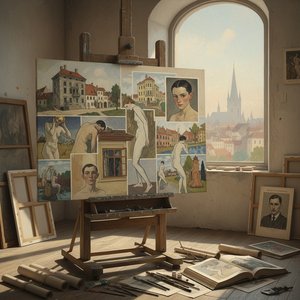
Prozkoumejte top 25 děl Egona Schieleho – mistra expresionismu. Obdivujte portréty, akvarely a kresby plné emocí a psychologické hloubky. Reprodukce obrazů s Most-Famous-Paintings pro váš interiér. Discover all masterpieces on Most-Famous-Paintings.com
Objevte 25 ikonických děl Národní galerie umění ve Washingtonu! Prozkoumejte příběhy Cézanna, Matisse a Picassa. Inspirace pro váš interiér s reprodukcemi obrazů nejvyšší kvality na Most-Famous-Paintings.com.


Buďte na tahu s nejnovějšími novinkami ze světa umění, exkluzivními nabídkami a inspirativními nápady na dekoraci.
Sdělte nám více o svém projektu a naši odborníci na umění vám připraví 3 personalizované návrhy uměleckých děl.
Nechť pro vás vybereme 3 možnosti – zdarma!


 Náhled
 Sdílet
 Sdílet
 Podrobnosti o díle

 Stáhnout
 Podobné položky
 Rentgenové snímky
 Slideshow
 Zobrazit více







 Skleněná varianta je dostupná pouze u rozměrů menších než 110 cm