x


 Koupit tisk Koupit digitální obrázek
 Sdílet
 Podrobnosti o díle
 Přidat do oblíbených
 Stáhnout
 Podobné položky
 Rentgenové snímky
 Slideshow
Ručně malovaná olejná barva na plátně ve vašem zvoleném rozměru i s rámem, vyrobená našimi umělci na zakázku.





























Vyberte si z našich přednastavených velikostí, které odpovídají původním proporcím díla.

Můžete zadat vlastní rozměry pro konkrétní rám nebo prostor. Pokud se vámi vybraná velikost neshoduje s proporcemi původního obrazu, dílo buď ořízneme, nebo jej doplníme ručně malovanými prvky. Před zahájením výroby vám bude zaslán digitální náhled ke schválení.
Upozorňujeme, že náhled na obrazovce neodpovídá skutečnému ořezu ani rozšíření. Pouze digitální náhled přesně zobrazí finální kompozici.
Ačkoliv je možné zvolit vlastní velikost, pro zachování původních proporcí doporučujeme vybrat rozměr z předdefinovaného seznamu.
Celosvětová doprava () za 3–4 týdny namísto standardních 5 týdnů. (22 červenec). Bez kompromisů v kvalitě.


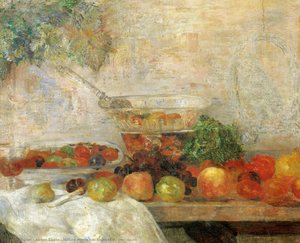
Les Peches
Rozměry reprodukce
James Ensor’s *Les Peches* (The Deadly Sins) is not merely a still life; it’s a profoundly unsettling exploration of human nature, rendered with the artist’s signature blend of meticulous observation and deeply personal symbolism. Painted around 1904, this work exemplifies Ensor's unique approach to depicting everyday objects – in this case, a collection of fruit – as vehicles for psychological and spiritual commentary. The composition immediately draws the viewer into a space of quiet unease, dominated by the dark palette and the subtly distorted forms that characterize much of Ensor’s oeuvre. The arrangement of the apples, oranges, and bananas, seemingly casually placed on the table, feels deliberately staged, hinting at a narrative beyond simple representation.
Ensor’s masterful use of color contributes significantly to the painting's emotional impact. The dominant tones are muted browns, greens, and blacks, creating a sense of gloom and decay. This somber palette is not accidental; it reflects Ensor’s preoccupation with themes of mortality, sin, and psychological distress. The fruit itself – particularly the slightly bruised apple – can be interpreted as a symbol of temptation and corruption, echoing the biblical reference to “the deadly sins.” The arrangement of the fruits isn't naturalistic; instead, they seem deliberately positioned to heighten the sense of unease and foreboding. Notice the subtle distortions in their forms, adding to the overall feeling of disquiet.
Ensor employed a meticulous technique, evident in the detailed rendering of each fruit and the careful construction of the composition. His brushwork is precise yet expressive, conveying both realism and emotional intensity. While influenced by Impressionism's focus on light and color, Ensor quickly moved beyond its limitations, developing his own intensely personal style. He was also deeply affected by the work of Gustave Moreau, another Symbolist painter known for his opulent and dreamlike imagery. However, unlike Moreau’s often fantastical scenes, Ensor’s work is grounded in a palpable sense of anxiety and psychological realism. The inclusion of vases and a potted plant adds to the overall composition, suggesting a domestic setting that feels strangely sterile and unsettling.
*Les Peches* stands as a pivotal work within James Ensor’s artistic trajectory. Created during a period of significant social and intellectual upheaval in Europe – marked by anxieties surrounding industrialization, urbanization, and the decline of traditional values – the painting reflects these concerns through its exploration of darker themes. Ensor's unflinching portrayal of human vulnerability and his willingness to confront uncomfortable truths cemented his reputation as one of the most important and influential artists of the Symbolist movement. His work continues to resonate with viewers today, offering a powerful meditation on the complexities of the human condition.


1860 - 1949 , Belgie

Prozkoumejte 25 ikonických děl z Metropolitního muzea v New Yorku! Objevte příběhy Van Gogha, Moneta a dalších mistrů. Reprodukce obrazů pro váš interiér na Most-Famous-Paintings.com.
Prozkoumejte 25 ikonických děl japonského mistra Katsushiky Hokusaiho! Objevte příběhy za Velkou vlnou, 36 pohledů na horu Fuji a další ukiyo-e tisků. Kvalitní reprodukce obrazů pro váš interiér na Most-Famous-Paintings.com.

Objevte 25 ikonických děl Národní galerie umění ve Washingtonu! Prozkoumejte příběhy Cézanna, Matisse a Picassa. Inspirace pro váš interiér s reprodukcemi obrazů nejvyšší kvality na Most-Famous-Paintings.com.
Prozkoumejte 25 ikonických děl Henri Matisse – mistra barev a fauvismu. Objevte příběhy za slavnými obrazy, techniky a inspiraci pro váš interiér. Reprodukce obrazů nejvyšší kvality na Most-Famous-Paintings.com.
Prozkoumejte 25 ikonických děl Jamese Abbotta McNeilla Whistlera! Obrazy Nocturnes, portréty a estetismus. Inspirace pro interiér s uměleckými reprodukcemi nejvyšší kvality na Most-Famous-Paintings.com. Objevte celou kolekci online.


Buďte na tahu s nejnovějšími novinkami ze světa umění, exkluzivními nabídkami a inspirativními nápady na dekoraci.
Sdělte nám více o svém projektu a naši odborníci na umění vám připraví 3 personalizované návrhy uměleckých děl.
Nechť pro vás vybereme 3 možnosti – zdarma!


 Sdílet


 Zobrazit více







 Skleněná varianta je dostupná pouze u rozměrů menších než 110 cm