


x


 Koupit tisk Koupit digitální obrázek
 Sdílet
 Podrobnosti o díle
 Přidat do oblíbených
 Stáhnout
 Podobné položky
 Rentgenové snímky
 Slideshow
 Oil On CanvasWallArtBaroque Landscape
 1660
1660 120.0 x 160.0 cm
 Koninklijk Museum voor Schone Kunsten
Ručně malovaná olejná barva na plátně ve vašem zvoleném rozměru i s rámem, vyrobená našimi umělci na zakázku.





























Vyberte si z našich přednastavených velikostí, které odpovídají původním proporcím díla.

Můžete zadat vlastní rozměry pro konkrétní rám nebo prostor. Pokud se vámi vybraná velikost neshoduje s proporcemi původního obrazu, dílo buď ořízneme, nebo jej doplníme ručně malovanými prvky. Před zahájením výroby vám bude zaslán digitální náhled ke schválení.
Upozorňujeme, že náhled na obrazovce neodpovídá skutečnému ořezu ani rozšíření. Pouze digitální náhled přesně zobrazí finální kompozici.
Ačkoliv je možné zvolit vlastní velikost, pro zachování původních proporcí doporučujeme vybrat rozměr z předdefinovaného seznamu.
Celosvětová doprava () za 3–4 týdny namísto standardních 5 týdnů. (22 červenec). Bez kompromisů v kvalitě.


The Ford
Rozměry reprodukce
Jan Siberechts' "The Ford," painted in 1672, isn’t merely a landscape; it’s a carefully constructed tableau of Flemish serenity and understated elegance. Housed within the Koninklijk Museum voor Schone Kunsten in Antwerp, Belgium – a treasure trove of Flemish artistry – this oil on canvas invites us into a tranquil scene that speaks volumes about the beauty of rural life and the burgeoning artistic sensibilities of its time. Measuring 120 x 160 cm, the painting possesses a remarkable intimacy, drawing the viewer close to the figures and the gentle flow of the river.
Siberechts, born in Antwerp in 1627, navigated a fascinating artistic lineage. Trained initially by his father, a sculptor, he ultimately forged a distinct style deeply rooted in Flemish tradition yet subtly influenced by the Italianate landscape painters who were gaining prominence across Europe. His early works demonstrated an acute observation of the Flemish countryside, capturing its textures and light with remarkable precision. “The Ford” exemplifies this skill, showcasing a masterful understanding of atmospheric perspective – the distant hills dissolving into a hazy blue, while the foreground retains a crisp clarity.
At first glance, “The Ford” presents a scene of quiet domesticity. Two women are the focal point, occupying distinct yet harmonious spaces within the composition. One stands gracefully by the riverbank, holding a golden jug – its purpose subtly suggestive, perhaps for water or a simple gesture of offering. Her attire, a pristine white blouse accented with vibrant red sleeves and skirt, immediately draws attention to her figure. Beside her sits another woman, dressed in a more subdued black gown, engaged in conversation, creating a dynamic interplay between stillness and interaction.
The artist’s meticulous attention to detail is evident throughout the painting. The folds of the women's clothing are rendered with exquisite realism, each seam and texture painstakingly depicted. Siberechts expertly employs chiaroscuro – the dramatic contrast between light and shadow – to sculpt the figures and create a sense of depth. Notice how the sunlight catches the woman’s face, illuminating her features while leaving the background softly shaded, enhancing the overall atmosphere of tranquility.
“The Ford” is more than just a pretty picture; it's imbued with symbolic meaning reflective of its era. The presence of the women by the river can be interpreted as representing domesticity, fertility, and the cyclical nature of rural life. The golden jug, a symbol of abundance and hospitality, adds to this interpretation. Furthermore, the painting’s style aligns perfectly with the Baroque period's emphasis on realism and dramatic effect – a shift away from the more restrained Mannerism that preceded it.
It’s important to consider the historical context in which “The Ford” was created. Around 1672, Antwerp was experiencing a flourishing of artistic activity, fueled by royal patronage and a growing interest in landscape painting. Siberechts' work reflects this vibrant cultural climate, showcasing his ability to capture both the beauty of the Flemish countryside and the sophisticated aesthetic sensibilities of the time. The inclusion of figures within the landscape – a relatively new trend – suggests an engagement with contemporary artistic developments.
Jan Siberechts’ “The Ford” stands as a pivotal work in the development of English landscape painting, having been commissioned by George Villiers, 2nd Duke of Buckingham during his visit to Antwerp. His subsequent move to England and continued practice there solidified his position as a pioneer, introducing a distinctly Flemish sensibility to the burgeoning English tradition. The painting’s influence can be seen in later works that adopted a similar approach – depicting idyllic rural scenes with carefully rendered figures within the landscape.
Today, reproductions of “The Ford” are readily available through platforms like Most-Famous-Paintings.com, allowing art lovers to experience this timeless masterpiece firsthand. Its enduring appeal lies not only in its technical brilliance but also in its ability to evoke a sense of peace and nostalgia – a reminder of the simple beauty of rural life and the artistry of Jan Siberechts.


1627 - 1703 , Belgie
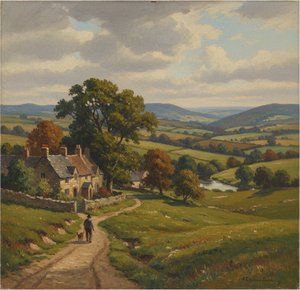
Explore the captivating landscapes & portraits of Brian Hatton (1887-1916), a promising British artist lost too soon. Discover his unique style, Herefordshire roots, and lasting legacy in early 20th-century art.

Explore the rich history of rural life in art! Discover how Realism captured labor & identity through masterpieces by Van Gogh, Millet & more. Expert analysis for collectors and enthusiasts.

Explore the rich history of rural life in art! Discover masterpieces from Dutch Masters to Van Gogh & Courbet. Uncover artistic movements, social significance & expert collecting insights at Most-Famous-Paintings.

Explore the captivating world of Jules Breton, master of French Realism. Discover his iconic paintings of rural life, learn about his artistic journey, and find high-quality reproductions to elevate your art collection at Most-Famous-Paintings.
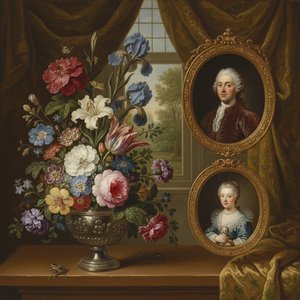
Discover the exquisite detail of Jan van Kessel the Elder's Baroque floral still lifes & captivating miniatures. Explore his artistic legacy, scientific precision, and lasting influence on 17th-century Flemish painting.


Buďte na tahu s nejnovějšími novinkami ze světa umění, exkluzivními nabídkami a inspirativními nápady na dekoraci.
Sdělte nám více o svém projektu a naši odborníci na umění vám připraví 3 personalizované návrhy uměleckých děl.
Nechť pro vás vybereme 3 možnosti – zdarma!


 Sdílet

 Zobrazit více







 Skleněná varianta je dostupná pouze u rozměrů menších než 110 cm


