x
Giclée nebo plátěný tisk muzeální kvality s rychlou výrobou a flexibilními možnostmi povrchové úpravy. ( Koupit ručně malovaný obraz Koupit obrázek)





























Vyberte si z našich přednastavených velikostí, které odpovídají původním proporcím díla.

Můžete zadat vlastní rozměry tak, aby výtvor odpovídal konkrétnímu rámu nebo prostoru. Pokud zvolená velikost nebude odpovídat poměru stran původního obrazu, dílo buď ořížeme, nebo obraz rozšíříme pomocí zrcadlového efektu či jednobarevného okraje. Před zahájením výroby vám bude zaslán digitální náhled k schválení.
Mějte prosím na paměti, že náhled na obrazovce neodráží skutečné oříznutí nebo rozšíření. Pouze digitální náhled přesně zobrazí finální kompozici.
Ačkoliv jsou k dispozici i vlastní rozměry, pro zachování původních proporcí doporučujeme vybrat si rozměr z předdefinovaného seznamu.
Celosvětové doručení () do 2 týdnů namísto standardních 4/5 týdnů. (18 srpen)


Tennyson
Rozměry reprodukce
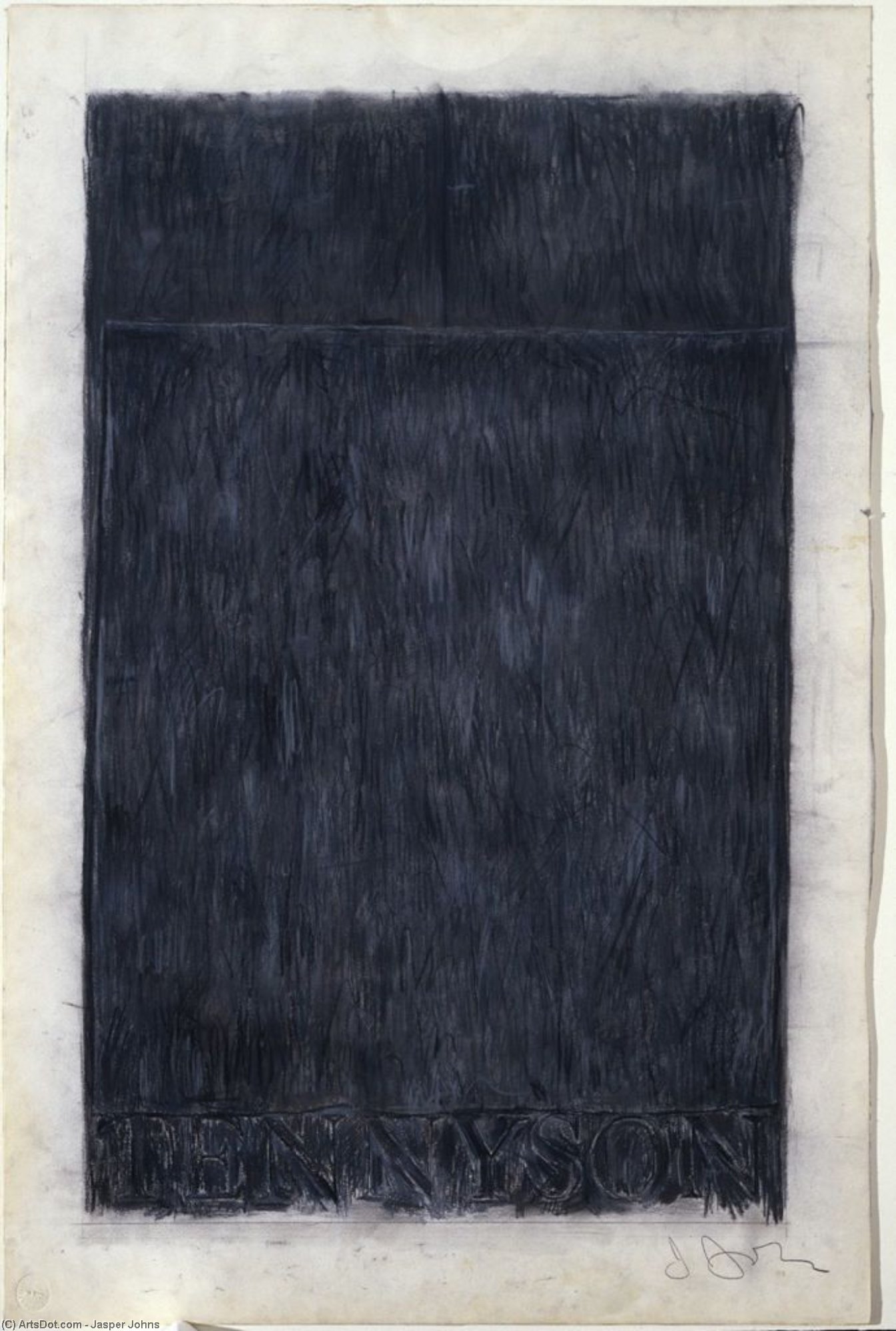
Jasper Johns’ “Tennyson,” completed in 1959 during the height of Abstract Expressionism, isn’t merely a painting; it’s an invitation into a realm where recognizable forms dissolve into evocative suggestion. This monumental canvas embodies the spirit of its era—a reaction against the emotionally charged canvases of artists like Pollock and Rothko—yet simultaneously anticipates the stylistic innovations that would characterize Pop Art.
Unlike the sprawling, gestural brushstrokes synonymous with Abstract Expressionism, Johns’ approach to “Tennyson” is characterized by a deliberate restraint. The painting utilizes a predominantly dark background—a deep charcoal gray—creating an atmosphere of profound stillness. However, this apparent simplicity belies a meticulous technique. Johns employs encaustic wax mixed with pigment, layering thin sheets of wax onto the canvas and fusing them together under intense heat. This process lends the artwork a remarkable textural quality – subtle ridges and depressions emerge from the surface, hinting at hidden depths.
“Tennyson” emerged from a period marked by significant upheaval—the Korean War disrupted Johns’ artistic pursuits and instilled in him a heightened awareness of geopolitical realities. Simultaneously, it represented an audacious challenge to the prevailing aesthetic conventions of the time. Artists like Pollock had championed spontaneity and improvisation, prioritizing emotion over intellectual consideration. Johns countered this trend with his unwavering commitment to precision and control, reflecting a broader philosophical shift toward rational inquiry.
The painting's title references Alfred Lord Tennyson’s poem “In Memoriam A Lay of Remembrance,” which explores themes of grief, loss, and the enduring power of memory. Johns deliberately avoids explicit representation—there are no discernible figures or landscapes—instead opting for a visual language that speaks to these poetic concepts. The dark background symbolizes sorrow and obscurity, while the textured surface embodies the fragmented nature of remembrance – impressions linger beneath the surface like echoes of past experiences.
"Tennyson" doesn’t demand immediate gratification; it invites contemplation. Its subdued palette and meticulous technique encourage viewers to slow down, to absorb its atmosphere, and to engage in a dialogue with its underlying symbolism. Ultimately, the painting succeeds in conveying a profound sense of melancholy—a quiet acknowledgement of life's inevitable sorrows—but also hints at an enduring capacity for resilience and beauty. It’s a testament to Johns’ ability to transform abstract concepts into emotionally resonant visual experiences.

1930 - , Spojené státy americké

Explore the profound impact of Minimalism and Geometric Abstraction. From Mondrian to Malevich, discover how stripping art to its essential forms revolutionized modern aesthetics through our expert-led historical guide.
Explore the profound emotional depth of Lyrical Abstraction. Discover how masters like Raymond Parker used color and form to bridge Impressionism and Abstract Expressionism. Learn about this pivotal movement through our expert-led art history guide.


Buďte na tahu s nejnovějšími novinkami ze světa umění, exkluzivními nabídkami a inspirativními nápady na dekoraci.
Sdělte nám více o svém projektu a naši odborníci na umění vám připraví 3 personalizované návrhy uměleckých děl.
Nechť pro vás vybereme 3 možnosti – zdarma!


 Náhled
 Sdílet
 Sdílet
 Podrobnosti o díle

 Stáhnout
 Podobné položky
 Rentgenové snímky
 Slideshow

 Zobrazit více







 Skleněná varianta je dostupná pouze u rozměrů menších než 110 cm