


x


 Oil On CanvasWallArtRococo Painting
 1721
1721 193.0 x 260.0 cm
 Wallace Collection
Ručně malovaná olejná barva na plátně ve vašem zvoleném rozměru i s rámem, vyrobená našimi umělci na zakázku. ( Switch to Print Switch to Image)





























Vyberte si z našich přednastavených velikostí, které odpovídají původním proporcím díla.

Můžete zadat vlastní rozměry pro konkrétní rám nebo prostor. Pokud se vámi vybraná velikost neshoduje s proporcemi původního obrazu, dílo buď ořízneme, nebo jej doplníme ručně malovanými prvky. Před zahájením výroby vám bude zaslán digitální náhled ke schválení.
Upozorňujeme, že náhled na obrazovce neodpovídá skutečnému ořezu ani rozšíření. Pouze digitální náhled přesně zobrazí finální kompozici.
Ačkoliv je možné zvolit vlastní velikost, pro zachování původních proporcí doporučujeme vybrat rozměr z předdefinovaného seznamu.
Celosvětová doprava () za 3–4 týdny namísto standardních 5 týdnů. (28 červenec). Bez kompromisů v kvalitě.


Dead Roe
Rozměry reprodukce
Jean-Baptiste Oudry's "Dead Roe," completed in 1721, is more than a simple hunting scene; it’s a meticulously crafted tableau of observation, restraint, and the poignant beauty found within mortality. Housed within the Wallace Collection in London, this oil on canvas painting offers a rare glimpse into the Rococo sensibilities of a master artist who skillfully blended naturalism with aristocratic patronage. Oudry, born in Paris in 1686, inherited an artistic lineage from his father, Jacques Oudry, a renowned painter and art dealer, establishing a foundation of observation and technical skill that would define his own career.
The composition immediately draws the eye to the central figure: a roe deer, lying prone on its side. The animal’s posture—head resting upon a weathered rock—conveys a sense of quiet resignation, almost serene in death. Oudry's rendering is remarkably detailed; one can discern the subtle textures of the fur, the delicate veins beneath the skin, and the precise curve of each bone. This commitment to realism was characteristic of Oudry’s work, particularly his depictions of animals, reflecting a deep understanding of anatomy and a keen eye for capturing their inherent grace. The muted palette—primarily browns, grays, and ochres—further enhances the scene's somber mood, emphasizing the deer’s lifelessness while simultaneously highlighting the surrounding landscape.
“Dead Roe” exists within a specific historical context – the era of the French aristocracy and their elaborate hunts. These pursuits were not merely sporting events; they represented status, skill, and connection to the natural world. Oudry’s commission reflects this patronage system, providing him with the opportunity to showcase his artistic abilities while catering to the tastes of wealthy clients. The painting is a testament to the meticulous observation required by these hunts – the artist had to accurately depict not only the animal but also the setting, the equipment, and the participants. Oudry’s skill in capturing this detail elevates “Dead Roe” beyond a simple hunting scene; it becomes a carefully constructed narrative of a specific social ritual.
Interestingly, the presence of the black dog, lying attentively beside the fallen deer, adds another layer to the composition. This animal, often associated with the hunt, isn’t depicted as actively involved in the kill but rather as a silent observer, perhaps reflecting on the cycle of life and death. The two birds perched above, seemingly undisturbed by the scene below, contribute to an overall sense of detachment—a subtle commentary on the fleeting nature of beauty and the inevitability of decay.
Beyond its realistic depiction, “Dead Roe” is rich in symbolic meaning. The deer itself can be interpreted as a representation of vulnerability and mortality, while the hunter’s absence underscores the transient nature of human control over the natural world. Oudry masterfully uses light and shadow to create depth and drama, drawing attention to key elements within the composition—the deer's lifeless form, the texture of the rock, and the details of the surrounding landscape. The painting evokes a sense of melancholy and contemplation, prompting viewers to consider themes of loss, beauty, and the interconnectedness of life and death.
The work’s enduring appeal lies in its ability to capture not just a moment in time but also a complex emotional state. It's a reminder that even within scenes of apparent grandeur and aristocratic leisure, there exists a profound awareness of mortality—a quiet reflection on the delicate balance between life and death, hunter and hunted.
Jean-Baptiste Oudry’s “Dead Roe” stands as a pivotal work in his oeuvre and a significant example of Rococo art. His meticulous attention to detail, combined with his ability to capture the essence of both animal and human subjects, established him as one of the most celebrated artists of his time. The painting's influence can be seen in subsequent generations of artists who sought to emulate Oudry’s naturalistic style and his masterful use of light and shadow. Reproductions of “Dead Roe” continue to resonate with art lovers today, offering a window into a bygone era and a testament to the enduring power of artistic observation.


1686 - 1755 , Francie

Explore the exquisite Rococo paintings of Jean-Baptiste Oudry (1686-1755). Discover his mastery of animal depictions, royal commissions, and tapestry designs. A deep dive into 18th-century French artistry.

Prozkoumejte 25 ikonických děl Claude Moneta – mistra impresionismu. Obdivujte vodní lilie, krajiny a secesní obrazy plné světla a barev. Najděte inspiraci pro váš interiér s reprodukcemi nejvyšší kvality na Most-Famous-Paintings.com
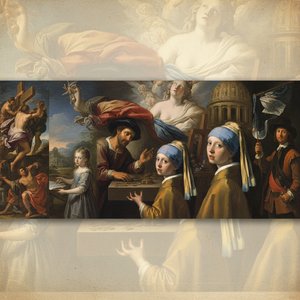
Objevte 10 ikonických děl barokního umění – od Caravaggia po Rembrandta. Ponořte se do příběhů mistrů, technik a emocí tohoto velkolepého období. Reprodukce obrazů nejvyšší kvality na Most-Famous-Paintings.com! Prozkoumejte celou kolekci online.

Prozkoumejte 10 ikonických děl barokní malby – od Rembrandta po Caravaggia. Objevte příběhy mistrů, techniky a dramatickou krásu tohoto uměleckého období. Reprodukce obrazů nejvyšší kvality na Most-Famous-Paintings.cz! Prohlédněte si celou kolekci online.
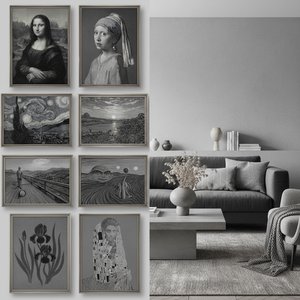
Prozkoumejte top 10 slavných obrazů ovládaných šedými tóny – od Moneta po Picassa. Objevte příběhy umělců, techniky a inspiraci pro váš interiér s reprodukcemi nejvyšší kvality na Most-Famous-Paintings.com.


Buďte na tahu s nejnovějšími novinkami ze světa umění, exkluzivními nabídkami a inspirativními nápady na dekoraci.
Sdělte nám více o svém projektu a naši odborníci na umění vám připraví 3 personalizované návrhy uměleckých děl.
Nechť pro vás vybereme 3 možnosti – zdarma!


 Preview
 Sdílet
 Sdílet
 Podrobnosti o díle

 Stáhnout
 Podobné položky
 Rentgenové snímky
 Slideshow
 Zobrazit více







 Skleněná varianta je dostupná pouze u rozměrů menších než 110 cm


