


x

 Acrylic On CanvasWallArtNorthern Renaissance
 1520
1520 118.0 x 81.0 cm
 Metropolitní muzeum umění
Giclée nebo plátěný tisk muzeální kvality s rychlou výrobou a flexibilními možnostmi povrchové úpravy. ( Koupit ručně malovaný obraz Koupit obrázek)





























Vyberte si z našich přednastavených velikostí, které odpovídají původním proporcím díla.

Můžete zadat vlastní rozměry tak, aby výtvor odpovídal konkrétnímu rámu nebo prostoru. Pokud zvolená velikost nebude odpovídat poměru stran původního obrazu, dílo buď ořížeme, nebo obraz rozšíříme pomocí zrcadlového efektu či jednobarevného okraje. Před zahájením výroby vám bude zaslán digitální náhled k schválení.
Mějte prosím na paměti, že náhled na obrazovce neodráží skutečné oříznutí nebo rozšíření. Pouze digitální náhled přesně zobrazí finální kompozici.
Ačkoliv jsou k dispozici i vlastní rozměry, pro zachování původních proporcí doporučujeme vybrat si rozměr z předdefinovaného seznamu.
Celosvětové doručení () do 2 týdnů namísto standardních 4/5 týdnů. (23 srpen)


Triptych
Rozměry reprodukce
Joachim Patenier stands as a singular figure in the burgeoning Flemish Renaissance, recognized not merely for his technical prowess but for an audacious vision—one that fundamentally altered perceptions of landscape painting. Born around 1480 in Bouvignes (modern Belgium), amidst the intellectual ferment of the era, Patenier’s artistic trajectory diverged from the prevailing obsession with meticulous realism championed by contemporaries like Jan van Eyck and Rogier van der Weyden.
Dürer's astute observation—that Patenier was “the good painter of landscapes”—captures precisely this transformative impulse. He didn’t simply depict mountains and water; he imbued them with emotional resonance, elevating the landscape to a narrative element central to his compositions. This approach foreshadowed developments in German Romanticism decades later, demonstrating an unprecedented sensitivity to atmospheric conditions and their influence on human experience.
Consider Patenier’s “The Penitence of Saint Jerome,” a monumental triptych housed at the Metropolitan Museum of Art. This artwork exemplifies his groundbreaking technique—a continuous landscape stretching across all three panels—a daring innovation that challenged artistic conventions.
At the heart of the scene is Saint Jerome, depicted in agonizing penitence before Christ’s baptism. The artist skillfully employs atmospheric perspective, subtly shifting color palettes from verdant greens to cool blues as the vista recedes into the distance. This masterful manipulation creates a palpable sense of depth and luminosity, transporting viewers beyond mere visual representation into an immersive experience.
Beyond its technical brilliance, “The Penitence of Saint Jerome” speaks volumes about Patenier’s artistic philosophy. The inclusion of demonic figures tormenting Saint Anthony the Hermit underscores themes of spiritual struggle and ascetic devotion—elements that resonate powerfully with viewers today. It's a testament to Patenier’s ability to transform a familiar religious narrative into an unforgettable visual journey.
Joachim Patenier’s influence extended far beyond his own lifetime, notably through collaborations with Albrecht Dürer. Dürer recognized Patenier's pioneering spirit, acknowledging him as “the good painter of landscapes,” a distinction that cemented Patenier’s place in art history.
His work continues to inspire artists and collectors alike, offering a glimpse into the dawn of atmospheric painting—a style characterized by its profound engagement with light and air—and demonstrating that true artistic innovation lies not solely in meticulous detail but in capturing the essence of emotion and experience. Reproductions of “The Penitence of Saint Jerome” allow admirers to appreciate Patenier’s enduring vision, bringing this iconic masterpiece into homes and galleries worldwide.

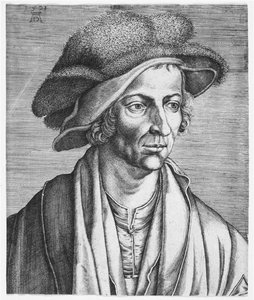
1481 - 1524 , Belgie

Explore the profound history of landscape masterpieces. From the Barbizon School to Monet's Impressionism, discover how timeless natural scenes bring serenity and prestige to your collection through museum-quality, hand-painted oil reproductions.


Buďte na tahu s nejnovějšími novinkami ze světa umění, exkluzivními nabídkami a inspirativními nápady na dekoraci.
Sdělte nám více o svém projektu a naši odborníci na umění vám připraví 3 personalizované návrhy uměleckých děl.
Nechť pro vás vybereme 3 možnosti – zdarma!


 Náhled
 Sdílet
 Sdílet
 Podrobnosti o díle

 Stáhnout
 Podobné položky
 Rentgenové snímky
 Slideshow
 Zobrazit více







 Skleněná varianta je dostupná pouze u rozměrů menších než 110 cm


