x

Ručně malovaná olejná barva na plátně ve vašem zvoleném rozměru i s rámem, vyrobená našimi umělci na zakázku. ( Koupit tisk Koupit obrázek)





























Vyberte si z našich přednastavených velikostí, které odpovídají původním proporcím díla.

Můžete zadat vlastní rozměry pro konkrétní rám nebo prostor. Pokud se vámi vybraná velikost neshoduje s proporcemi původního obrazu, dílo buď ořízneme, nebo jej doplníme ručně malovanými prvky. Před zahájením výroby vám bude zaslán digitální náhled ke schválení.
Upozorňujeme, že náhled na obrazovce neodpovídá skutečnému ořezu ani rozšíření. Pouze digitální náhled přesně zobrazí finální kompozici.
Ačkoliv je možné zvolit vlastní velikost, pro zachování původních proporcí doporučujeme vybrat rozměr z předdefinovaného seznamu.
Celosvětová doprava () za 3–4 týdny namísto standardních 5 týdnů. (20 srpen). Bez kompromisů v kvalitě.


Cabeza de mujer
Rozměry reprodukce
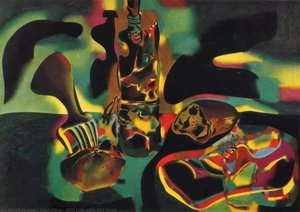
In the vast, labyrinthine landscape of 20th-century Surrealism, few works possess the raw, psychological magnetism of Joan Miró’s Cabeza de mujer. Painted during a transformative period between 1935 and 1940, this masterpiece serves as a profound window into the artist's subconscious. Rather than offering a traditional portrait, Miró presents us with a stylized, dreamlike visage that defies the boundaries of literal representation. The painting is an evocative exploration of identity and emotion, where the human form is deconstructed into a rhythmic dance of geometric shapes and organic flourishes. To gaze upon this work is to step into a realm where the distinction between reality and fantasy dissolves, leaving only the primal essence of the subject behind.
The visual language of Cabeza de mujer is defined by its striking, almost confrontational, palette. Miró utilizes a stark, dramatic tension through the interplay of deep blacks and a piercing, crimson red. This limited yet potent color scheme does more than just command attention; it mirrors the turbulent psychological landscape of an era marked by profound uncertainty. The technique itself—tempera on canvas applied with thick, expressive impasto strokes—lends a tactile physicality to the piece. These bold, textured marks create a sense of movement and spontaneity, as if the artist were capturing a fleeting thought or a sudden burst of emotion directly from the ether of his imagination.
Beyond its aesthetic brilliance, the artwork is deeply embedded in the historical currents of Catalonia. Created amidst the rise of Francisco Franco’s dictatorship following the Spanish Civil War, the painting breathes with the anxieties of a society under siege. For Miró, Surrealism was not merely an artistic choice but a tool for resistance—a way to articulate the suppressed truths and cultural identities that faced censorship. The composition, featuring eyes scattered across a face composed of circles, squares, and triangles, suggests a fragmented perception, perhaps reflecting the fractured state of a nation in turmoil. The inclusion of organic forms, reminiscent of roots or plant stems, intertwines the human experience with the very earth of Catalonia, grounding his abstract visions in a deep sense of place.
For the discerning collector or interior designer, Cabeza de mujer offers much more than visual intrigue; it provides an emotional anchor for a sophisticated space. The painting’s ability to evoke both unsettling tension and mesmerizing beauty makes it a versatile centerpiece for modern environments. Whether placed in a minimalist gallery setting or integrated into a richly textured living space, the work invites continuous contemplation. It is a piece that does not merely decorate a wall but transforms an atmosphere, offering a sophisticated dialogue between the viewer and the enduring legacy of one of art history's most visionary minds.

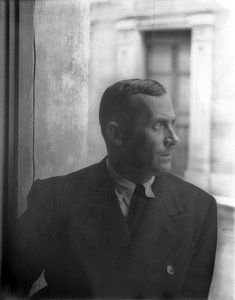
1893 - 1983 , Španělsko
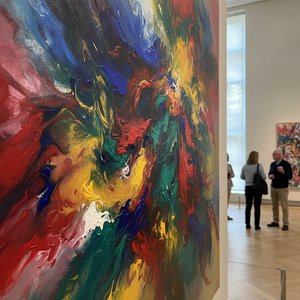
Explore the profound emotional depth of Lyrical Abstraction. Discover how masters like Raymond Parker used color and form to bridge Impressionism and Abstract Expressionism. Learn about this pivotal movement through our expert-led art history guide.

Explore the profound emotional depth of Color Field painting. Discover the history of mid-century abstraction, from Rothko to Newman, and learn how pure color transforms the viewer's experience through our expert art history guide.

Discover the profound emotional depth and investment potential of contemporary abstraction. Our expert guide explores how texture, movement, and form create timeless value for discerning art collectors and sophisticated interiors.


Buďte na tahu s nejnovějšími novinkami ze světa umění, exkluzivními nabídkami a inspirativními nápady na dekoraci.
Sdělte nám více o svém projektu a naši odborníci na umění vám připraví 3 personalizované návrhy uměleckých děl.
Nechť pro vás vybereme 3 možnosti – zdarma!


 Náhled
 Sdílet
 Sdílet
 Podrobnosti o díle

 Stáhnout
 Podobné položky
 Rentgenové snímky
 Slideshow

 Zobrazit více







 Skleněná varianta je dostupná pouze u rozměrů menších než 110 cm