x

Ručně malovaná olejná barva na plátně ve vašem zvoleném rozměru i s rámem, vyrobená našimi umělci na zakázku. ( Přepnout na tisk Přepnout na obrázek)





























Vyberte si z našich přednastavených velikostí, které odpovídají původním proporcím díla.

Můžete zadat vlastní rozměry pro konkrétní rám nebo prostor. Pokud se vámi vybraná velikost neshoduje s proporcemi původního obrazu, dílo buď ořízneme, nebo jej doplníme ručně malovanými prvky. Před zahájením výroby vám bude zaslán digitální náhled ke schválení.
Upozorňujeme, že náhled na obrazovce neodpovídá skutečnému ořezu ani rozšíření. Pouze digitální náhled přesně zobrazí finální kompozici.
Ačkoliv je možné zvolit vlastní velikost, pro zachování původních proporcí doporučujeme vybrat rozměr z předdefinovaného seznamu.
Celosvětová doprava () za 3–4 týdny namísto standardních 5 týdnů. (7 srpen). Bez kompromisů v kvalitě.


Golding Constables Kitchen Garden a
Rozměry reprodukce
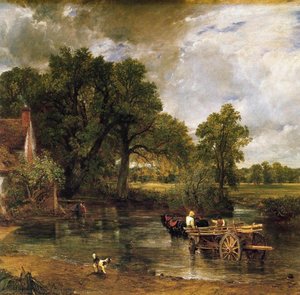
John Constable's "Golding Constable’s Kitchen Garden," painted circa 1815, isn’t merely a depiction of a rural scene; it’s a profound meditation on place, memory, and the quiet dignity of everyday life. Born in East Bergholt, Suffolk – a landscape that would become inextricably linked to his artistic identity – Constable sought to capture not just what he saw, but how he *felt* about it. This painting, housed within the Ipswich Borough Council Collection at Christchurch Mansion, offers a remarkably intimate glimpse into the world of a prosperous Suffolk farmer and his family, revealing a scene brimming with subtle details and an extraordinary sensitivity to light and atmosphere.
The composition immediately draws the viewer in. Constable masterfully employs a slightly elevated vantage point, as if peering through a window – perhaps one of those very windows from which he painted the view. This creates a sense of immediacy and invites us into the heart of the garden. The foreground is dominated by two horses grazing peacefully on the lush grass, their forms rendered with an almost tactile quality—you can practically feel the texture of their coats. Beyond them, the kitchen garden unfolds, a carefully organized space filled with rows of vegetables, herbs, and fruit trees. The arrangement isn’t overly manicured; it possesses a naturalistic charm, suggesting a working landscape rather than a formal display.
“Golding Constable’s Kitchen Garden” is firmly rooted in the Romantic movement, an artistic sensibility that prioritized emotion, imagination, and the beauty of nature over classical ideals. Constable, like many Romantic painters, rejected the grand, theatrical landscapes favored by earlier generations. Instead, he focused on the familiar, the intimate—the scenes he knew best: the rolling hills and waterways of Suffolk. This choice wasn’t a rejection of artistic tradition; rather, it was an assertion of a new kind of beauty – one found in the commonplace, the weathered, and the subtly changing light of the English countryside.
The painting's context is crucial to understanding its significance. Constable’s father, Golding Constable, was a successful corn merchant who owned both Dedham Vale and mills along the River Stour. This familial connection provided not only financial security but also an unparalleled opportunity for the young artist to immerse himself in the rhythms of rural life. The painting is therefore deeply personal, reflecting Constable's own childhood memories and his profound affection for his home county.
Constable’s technique is characterized by a remarkable blend of observation and intuition. He meticulously rendered the details of the garden—the individual leaves on the vegetables, the texture of the soil, the dappled sunlight filtering through the trees—but he also employed loose brushstrokes and a vibrant palette to convey the overall atmosphere. His use of light is particularly noteworthy. Constable expertly captures the shifting qualities of daylight, creating a sense of depth and luminosity that animates the scene. The warm glow of the afternoon sun bathes the garden in a golden hue, while subtle shadows add richness and complexity to the composition.
The painting’s color palette is dominated by greens and browns—the dominant hues of the countryside—but Constable introduces splashes of vibrant color with the reds and yellows of the vegetables. These touches of brightness draw the eye and create a sense of vitality within the scene. He also skillfully employs atmospheric perspective, using lighter colors to represent distant objects and darker colors for those closer to the viewer.
Beyond its purely descriptive qualities, “Golding Constable’s Kitchen Garden” is rich in symbolism. The two grazing horses evoke a sense of tranquility and abundance—a symbol of prosperity and well-being. The carefully organized garden represents not just a source of food but also a testament to the hard work and dedication of the farmer and his family. The painting, therefore, celebrates the simple pleasures of rural life and offers a poignant reflection on the connection between humanity and nature.
Ultimately, “Golding Constable’s Kitchen Garden” is more than just a landscape painting; it's a deeply felt expression of love for place—a testament to the enduring beauty of the English countryside. A high-quality reproduction allows us to appreciate the subtle nuances of Constable’s artistry and to experience the emotional resonance of this remarkable work.

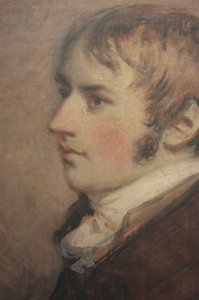
1776 - 1837 , Spojisté království

Explore the serene landscapes of John Fulleylove (1845-1908), a celebrated English artist. Discover his charming watercolours & oils, evocative travel illustrations, and lasting legacy. Learn about his life, exhibitions, and artistic style.

Explore the captivating landscapes of David Cox the Elder, a pivotal figure in British Romanticism. Discover his masterful watercolour techniques, enduring legacy & find timeless art for your home at Most-Famous-Paintings.

Explore the captivating world of Philip Connard (1875-1958), a leading British Impressionist painter renowned for his decorative landscapes and wartime artistry. Discover his life, legacy & available artworks at Most-Famous-Paintings.

Explore the rich history of rural life in painting! Discover Impressionist masterpieces, Italian Macchiaioli scenes & the enduring appeal of pastoral landscapes. Find your perfect artwork at Most-Famous-Paintings.

Explore the captivating rural landscapes of Alfred I. Glendening, a master of British sporting paintings. Discover his life, artistic style, and place within the American Regionalist movement. Expert insights & high-quality reproductions at Most-Famous-Paintings.


Buďte na tahu s nejnovějšími novinkami ze světa umění, exkluzivními nabídkami a inspirativními nápady na dekoraci.
Sdělte nám více o svém projektu a naši odborníci na umění vám připraví 3 personalizované návrhy uměleckých děl.
Nechť pro vás vybereme 3 možnosti – zdarma!


 Náhled
 Sdílet
 Sdílet
 Podrobnosti o díle

 Stáhnout
 Podobné položky
 Rentgenové snímky
 Slideshow

 Zobrazit více







 Skleněná varianta je dostupná pouze u rozměrů menších než 110 cm