x

 Acrylic On CanvasWallArtRomantic Landscape
 1824
1824 129.0 x 188.0 cm
 Victoria and Albert Museum
Giclée nebo plátěný tisk muzeální kvality s rychlou výrobou a flexibilními možnostmi povrchové úpravy. ( Koupit ručně malovaný obraz Koupit obrázek)





























Vyberte si z našich přednastavených velikostí, které odpovídají původním proporcím díla.

Můžete zadat vlastní rozměry tak, aby výtvor odpovídal konkrétnímu rámu nebo prostoru. Pokud zvolená velikost nebude odpovídat poměru stran původního obrazu, dílo buď ořížeme, nebo obraz rozšíříme pomocí zrcadlového efektu či jednobarevného okraje. Před zahájením výroby vám bude zaslán digitální náhled k schválení.
Mějte prosím na paměti, že náhled na obrazovce neodráží skutečné oříznutí nebo rozšíření. Pouze digitální náhled přesně zobrazí finální kompozici.
Ačkoliv jsou k dispozici i vlastní rozměry, pro zachování původních proporcí doporučujeme vybrat si rozměr z předdefinovaného seznamu.
Celosvětové doručení () do 2 týdnů namísto standardních 4/5 týdnů. (20 srpen)


Sketch for The Leaping Horse
Rozměry reprodukce
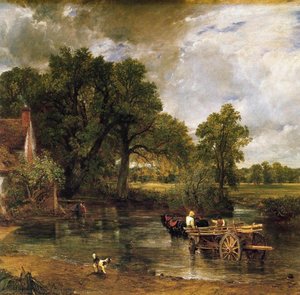
This evocative black and white sketch, measuring 129 x 188 cm, offers a rare glimpse into the creative process of one of England's most beloved landscape painters, John Constable. Dating back to 1824, it transcends a simple preparatory study; instead, it embodies the very essence of Constable’s profound connection with the Suffolk countryside – a world he meticulously rendered not just with accuracy but with an intensely felt emotional resonance. The image captures a fleeting moment in a rural scene: horses grazing peacefully across a vast field, punctuated by the scattered figures of individuals engaged in their daily routines. A small boat rests near the left edge, hinting at the proximity of human activity to the natural world, suggesting a harmonious coexistence that was increasingly rare during this period.
Constable’s artistic journey began not with formal training but within the familiar embrace of his family's estate in Dedham Vale. His father, a successful merchant, possessed both land and mills along the River Stour – providing an unparalleled opportunity for observation and inspiration. This intimate relationship with the landscape shaped Constable’s entire approach to painting. He wasn’t simply recording what he saw; he was attempting to capture the *feeling* of a place, its light, its atmosphere, and the subtle shifts in color that defined its character. The ‘Sketch for The Leaping Horse’ exemplifies this deeply personal engagement with nature, revealing an artist wholly absorbed in his subject.
Executed with remarkable economy and precision, the sketch is a testament to Constable's mastery of line. He employs a loose, expressive charcoal technique, prioritizing tonal variation over meticulous detail. Notice how he uses rapid, broken strokes to suggest movement – particularly in the bodies of the horses – while simultaneously creating a sense of atmospheric depth through subtle gradations of gray. The absence of color forces the viewer to focus entirely on these nuances of line and value, highlighting the artist’s keen eye for capturing light and shadow. This technique is characteristic of Constable's early work, reflecting his desire to represent the ephemeral qualities of natural light with immediacy and spontaneity.
The composition itself is deceptively simple yet powerfully effective. The arrangement of figures and horses within the expansive field creates a sense of scale and openness, drawing the eye into the distance. Constable’s use of aerial perspective – diminishing details and colors in the background to suggest depth – further enhances this effect, immersing the viewer in the vastness of the Suffolk landscape. The placement of the boat adds an element of narrative, inviting speculation about the lives and activities unfolding within this rural setting.
More than just a depiction of a pastoral scene, ‘Sketch for The Leaping Horse’ speaks to broader themes of rural life, human connection with nature, and the changing social landscape of early 19th-century England. The horses themselves are potent symbols – representing both industry (the agricultural economy) and freedom. Their leisurely grazing suggests a world largely untouched by the rapid industrialization that was transforming Britain at this time. The presence of people tending to them underscores the continued importance of agriculture, while also hinting at the enduring value placed on traditional rural skills.
The sketch’s inherent tranquility reflects Constable's own deeply held appreciation for the beauty and stability of the English countryside. He saw himself as a guardian of this landscape, striving to capture its essence before it was irrevocably altered by progress. This sentiment is powerfully conveyed in ‘Sketch for The Leaping Horse,’ offering a poignant reminder of a time when nature reigned supreme and the rhythms of rural life held an unparalleled allure.
Most-Famous-Paintings offers meticulously crafted, hand-painted reproductions of this extraordinary sketch. Each reproduction is created by skilled artists who have painstakingly studied Constable's original techniques, ensuring that every detail – from the subtle nuances of line to the atmospheric depth – is faithfully reproduced. Whether you’re an art collector, a design enthusiast, or simply seeking to infuse your home with a touch of timeless beauty, this reproduction provides a stunning and authentic representation of one of England’s greatest landscape painters. Imagine this evocative scene adorning your walls, transporting you to the serene fields of Suffolk and allowing you to experience the profound emotional impact of Constable's art.

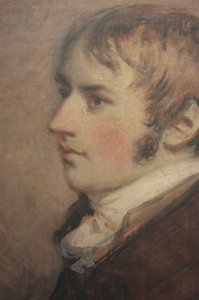
1776 - 1837 , Spojisté království
Prozkoumejte 25 ikonických děl Johna Constabla, mistra anglického krajinářství a romantismu. Obdivujte jeho olejomalby, plátna s venkovskou atmosférou a inspirujte se pro dekoraci interiéru. Reprodukce obrazů nejvyšší kvality na Most-Famous-Paintings.com

Prozkoumejte 10 ikonických děl romantické krajinářské malby! Objevte příběhy Caspara Davida Friedricha, Turnera a dalších mistrů. Reprodukce obrazů nejvyšší kvality pro váš interiér na Most-Famous-Paintings.com.
Objevte 10 nejúchvatnějších krajin v umění od Turnerů po Van Gogha! Ponořte se do příběhů mistrů a inspirujte se pro svůj interiér. Reprodukce obrazů nejvyšší kvality na Most-Famous-Paintings.com – pro milovníky umění a dokonalý dekor.

Objevte 25 ikonických děl Johna Singera Sargenta – portrétů, impresionistických krajin a elegantních kompozic. Prozkoumejte příběhy umění, techniky a inspiraci pro váš interiér s reprodukcemi nejvyšší kvality na Most-Famous-Paintings.com

Explore the life & art of John Constable, the Romantic painter who revolutionized landscape with emotive scenes of rural England. Discover his techniques, legacy, and key works – perfect for collectors & enthusiasts.


Buďte na tahu s nejnovějšími novinkami ze světa umění, exkluzivními nabídkami a inspirativními nápady na dekoraci.
Sdělte nám více o svém projektu a naši odborníci na umění vám připraví 3 personalizované návrhy uměleckých děl.
Nechť pro vás vybereme 3 možnosti – zdarma!


 Náhled
 Sdílet
 Sdílet
 Podrobnosti o díle

 Stáhnout
 Podobné položky
 Rentgenové snímky
 Slideshow
 Zobrazit více







 Skleněná varianta je dostupná pouze u rozměrů menších než 110 cm