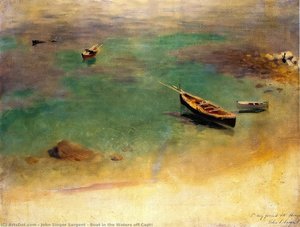
x


 Oil On CanvasWallArtImpressionism
 1903
1903 57.0 x 72.0 cm
 Smithsonian American Art Museum
Ručně malovaná olejná barva na plátně ve vašem zvoleném rozměru i s rámem, vyrobená našimi umělci na zakázku. ( Switch to Print Switch to Image)





























Vyberte si z našich přednastavených velikostí, které odpovídají původním proporcím díla.

Můžete zadat vlastní rozměry pro konkrétní rám nebo prostor. Pokud se vámi vybraná velikost neshoduje s proporcemi původního obrazu, dílo buď ořízneme, nebo jej doplníme ručně malovanými prvky. Před zahájením výroby vám bude zaslán digitální náhled ke schválení.
Upozorňujeme, že náhled na obrazovce neodpovídá skutečnému ořezu ani rozšíření. Pouze digitální náhled přesně zobrazí finální kompozici.
Ačkoliv je možné zvolit vlastní velikost, pro zachování původních proporcí doporučujeme vybrat rozměr z předdefinovaného seznamu.
Celosvětová doprava () za 3–4 týdny namísto standardních 5 týdnů. (28 červenec). Bez kompromisů v kvalitě.


Stable at Cuenca
Rozměry reprodukce
John Singer Sargent's "Stable at Cuenca," painted in 1903, isn’t merely a depiction of horses and people; it’s a carefully constructed tableau of quiet observation, imbued with the artist’s signature blend of Impressionistic brushwork and astute psychological insight. The painting captures a fleeting moment within a rural Spanish stable – a scene brimming with understated drama and a palpable sense of connection between humanity and animal life. Sargent, already establishing his reputation as a master of capturing light and atmosphere, moved beyond the grand portraits that initially defined his career to explore more intimate subjects, revealing a surprising versatility in his artistic approach.
The composition itself is deceptively simple. A group of horses – some sleek and muscular, others smaller and more docile – are arranged around a weathered wooden stable structure. Three individuals occupy the foreground: a man tending to the animals, a young boy observing with evident fascination, and another figure, partially obscured, seemingly lost in thought. Sargent’s masterful use of light is immediately striking; it's not harsh or dramatic, but rather diffused and warm, suggesting either early morning or late afternoon – a time when the world feels particularly still and contemplative. The artist skillfully employs broken brushstrokes to create an illusion of texture and movement within the horses’ coats and the rough-hewn wood of the stable.
Sargent’s technique in “Stable at Cuenca” is a testament to his evolving artistic style. He moved away from the highly polished surfaces favored by earlier portraitists, embracing a looser, more expressive approach reminiscent of Impressionism. Notice how he uses short, broken brushstrokes to capture the fleeting effects of light and shadow – particularly evident in the dappled sunlight filtering through the stable’s open doorway. This technique wasn't simply about replicating what he saw; it was about conveying an *impression* of the scene, a feeling of warmth, stillness, and connection.
The artist’s attention to detail is equally remarkable. He meticulously renders the individual features of each horse – their musculature, their expressions – while simultaneously suggesting a broader narrative through his careful arrangement of figures and objects. The boy's intense gaze, for example, invites us to consider his perspective and perhaps even speculate about his relationship with the animals and the man caring for them. Sargent’s ability to infuse such subtle psychological depth into a seemingly simple rural scene is one of the hallmarks of his genius.
Beyond its aesthetic qualities, “Stable at Cuenca” carries layers of symbolic meaning. The stable itself represents a space of refuge, a place where animals are cared for and nurtured. The interaction between the humans and horses speaks to a fundamental connection – a shared vulnerability and dependence. The boy’s fascination with the animals suggests an innate curiosity about the natural world and a desire to understand its rhythms. It's a scene that resonates with themes of childhood, innocence, and the enduring power of simple human connections.
Furthermore, considering Sargent’s own life – his nomadic upbringing and exposure to diverse cultures – it’s possible to interpret “Stable at Cuenca” as a reflection on the universal experience of finding solace and connection in nature. The painting transcends its specific setting, offering a timeless meditation on the beauty and tranquility of rural life.
Most-Famous-Paintings offers meticulously hand-painted reproductions of John Singer Sargent’s “Stable at Cuenca,” capturing the essence of this remarkable artwork with unparalleled detail and fidelity. Whether you're an art collector, a design enthusiast, or simply someone seeking to infuse your space with beauty and inspiration, our reproduction provides a stunning way to experience the power and serenity of Sargent’s vision. Each reproduction is created using traditional oil painting techniques, ensuring that it possesses the same rich textures and luminous colors as the original masterpiece. Explore our high-resolution images and select the size that best suits your needs – bringing this iconic work of art into your home with confidence and pride.


1856 - 1925 , Itálie

Objevte 25 ikonických děl Johna Singera Sargenta – portrétů, impresionistických krajin a elegantních kompozic. Prozkoumejte příběhy umění, techniky a inspiraci pro váš interiér s reprodukcemi nejvyšší kvality na Most-Famous-Paintings.com
Prozkoumejte 25 ikonických děl Johna Constabla, mistra anglického krajinářství a romantismu. Obdivujte jeho olejomalby, plátna s venkovskou atmosférou a inspirujte se pro dekoraci interiéru. Reprodukce obrazů nejvyšší kvality na Most-Famous-Paintings.com

Explore the life & art of John Singer Sargent, premier portraitist of the Gilded Age. Discover his Impressionistic masterpieces, technical brilliance, and enduring legacy. Expert insights for collectors.

Discover the breathtaking elegance of John Singer Sargent's masterpieces. From iconic Gilded Age portraits to impressionistic landscapes, explore the technical brilliance and timeless allure of this American master through our premium, hand-painted fine art reproductions.

Discover the luminous mastery of John Singer Sargent. Explore an expert analysis of his legendary light, Gilded Age elegance, and technical brilliance, perfect for fine art enthusiasts seeking to bring timeless classical beauty into their modern collections.


Buďte na tahu s nejnovějšími novinkami ze světa umění, exkluzivními nabídkami a inspirativními nápady na dekoraci.
Sdělte nám více o svém projektu a naši odborníci na umění vám připraví 3 personalizované návrhy uměleckých děl.
Nechť pro vás vybereme 3 možnosti – zdarma!


 Preview
 Sdílet
 Sdílet
 Podrobnosti o díle

 Stáhnout
 Podobné položky
 Rentgenové snímky
 Slideshow
 Zobrazit více







 Skleněná varianta je dostupná pouze u rozměrů menších než 110 cm