x


 Preview
 Objednat reprodukci Koupit digitální obrázek
 Sdílet
 Podrobnosti o díle
 Přidat do oblíbených
 Stáhnout
 Podobné položky
 Rentgenové snímky
 Slideshow
Giclée nebo plátěný tisk muzeální kvality s rychlou výrobou a flexibilními možnostmi povrchové úpravy.





























Vyberte si z našich přednastavených velikostí, které odpovídají původním proporcím díla.

Můžete zadat vlastní rozměry tak, aby výtvor odpovídal konkrétnímu rámu nebo prostoru. Pokud zvolená velikost nebude odpovídat poměru stran původního obrazu, dílo buď ořížeme, nebo obraz rozšíříme pomocí zrcadlového efektu či jednobarevného okraje. Před zahájením výroby vám bude zaslán digitální náhled k schválení.
Mějte prosím na paměti, že náhled na obrazovce neodráží skutečné oříznutí nebo rozšíření. Pouze digitální náhled přesně zobrazí finální kompozici.
Ačkoliv jsou k dispozici i vlastní rozměry, pro zachování původních proporcí doporučujeme vybrat si rozměr z předdefinovaného seznamu.
Celosvětové doručení () do 2 týdnů namísto standardních 4/5 týdnů. (27 červenec)


The Peat Baker
Rozměry reprodukce
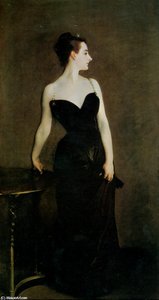
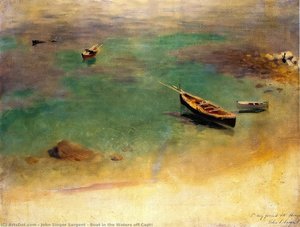
John Singer Sargent's "The Peat Baker," painted in 1885, is not merely a portrait; it’s a carefully constructed tableau of quiet intensity. The painting immediately draws the viewer into a dimly lit room, dominated by a man bent low over his work – a baker meticulously preparing loaves of bread. This seemingly simple scene unfolds within a rich tapestry of observation and subtle symbolism, revealing Sargent's masterful control of light, shadow, and psychological depth. The piece offers a glimpse into the domestic life of the late 19th century, yet it transcends its immediate subject matter to become a meditation on labor, solitude, and the quiet dignity of everyday existence.
Sargent’s technique is immediately apparent in the painting's remarkable use of chiaroscuro – the dramatic contrast between light and dark. The room is plunged into a deep, almost velvety darkness, punctuated by shafts of light that illuminate the baker’s face, hands, and the partially visible loaves on his table. This masterful manipulation of light not only creates a sense of realism but also imbues the scene with an atmosphere of mystery and introspection. Sargent employed loose, expressive brushstrokes, particularly in rendering the textures of the bread and the man's clothing, adding to the painting’s tactile quality. The subtle gradations of tone suggest a deep understanding of how light interacts with surfaces – a skill honed through years of studying the masters of Venetian painting.
Beyond its realistic depiction, “The Peat Baker” is laden with symbolic meaning. The baker himself represents the backbone of society—the essential worker who provides sustenance and comfort. His bowed posture suggests a life of tireless labor, yet his face retains an air of quiet pride. The dark room symbolizes introspection and perhaps even isolation; he’s removed from the bustle of daily life, lost in his craft. The two chairs in the background, one slightly to the right and another closer to the center, could represent companionship or simply the remnants of a past conversation, hinting at a solitary existence. Even the “peat” in the title – referring to fuel used for baking – subtly connects the scene to the harsh realities of rural life.
Painted during a period of rapid social change in Europe, "The Peat Baker" reflects Sargent's growing interest in capturing the nuances of everyday life. He had spent considerable time in Brittany, France, immersing himself in the lives of rural communities. This experience profoundly influenced his artistic vision, moving him away from the grand salon portraits that initially defined his career and towards a more intimate and psychologically complex style. Sargent’s shift can be seen as a response to the burgeoning realist movement, while simultaneously retaining his own distinctive flair for elegance and composition. The painting stands as a pivotal work in Sargent's development, demonstrating his ability to infuse social commentary into seemingly simple scenes.
“The Peat Baker” is not a cheerful or overtly celebratory image; rather, it evokes a profound sense of quiet contemplation. The painting’s subdued palette, coupled with the man's solitary posture, creates an atmosphere of melancholy and introspection. Yet, there’s also a subtle dignity in his work—a testament to the value of honest labor. It is this carefully balanced combination of emotion and observation that makes “The Peat Baker” such a compelling and enduring masterpiece, inviting viewers to consider the quiet beauty and hidden depths within the ordinary moments of life.

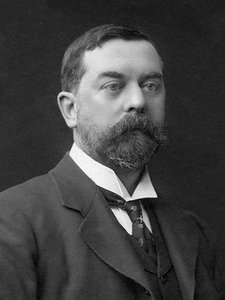
1856 - 1925 , Itálie

Objevte 25 ikonických děl Johna Singera Sargenta – portrétů, impresionistických krajin a elegantních kompozic. Prozkoumejte příběhy umění, techniky a inspiraci pro váš interiér s reprodukcemi nejvyšší kvality na Most-Famous-Paintings.com
Prozkoumejte 25 ikonických děl Johna Constabla, mistra anglického krajinářství a romantismu. Obdivujte jeho olejomalby, plátna s venkovskou atmosférou a inspirujte se pro dekoraci interiéru. Reprodukce obrazů nejvyšší kvality na Most-Famous-Paintings.com
Prozkoumejte 25 ikonických děl Jamese Abbotta McNeilla Whistlera! Obrazy Nocturnes, portréty a estetismus. Inspirace pro interiér s uměleckými reprodukcemi nejvyšší kvality na Most-Famous-Paintings.com. Objevte celou kolekci online.

Prozkoumejte 25 ikonických děl z Metropolitního muzea v New Yorku! Objevte příběhy Van Gogha, Moneta a dalších mistrů. Reprodukce obrazů pro váš interiér na Most-Famous-Paintings.com.
Prozkoumejte 25 ikonických děl z Muzea výtvarných umění v Bostonu! Objevte příběhy za Sargentem, Monetem a dalšími mistry. Inspirace pro váš interiér s reprodukcemi obrazů nejvyšší kvality na Most-Famous-Paintings.com.


Buďte na tahu s nejnovějšími novinkami ze světa umění, exkluzivními nabídkami a inspirativními nápady na dekoraci.
Sdělte nám více o svém projektu a naši odborníci na umění vám připraví 3 personalizované návrhy uměleckých děl.
Nechť pro vás vybereme 3 možnosti – zdarma!


 Sdílet


 Zobrazit více







 Skleněná varianta je dostupná pouze u rozměrů menších než 110 cm