x

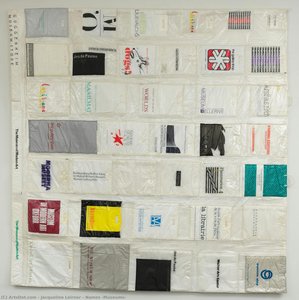
 1987
1987 20.0 x 13.0 cm
 Auckland Art Gallery Toi o Tāmaki
Ručně malovaná olejná barva na plátně ve vašem zvoleném rozměru i s rámem, vyrobená našimi umělci na zakázku. ( Přepnout na tisk Přepnout na obrázek)
Vyberte si z našich přednastavených velikostí, které odpovídají původním proporcím díla.

Můžete zadat vlastní rozměry pro konkrétní rám nebo prostor. Pokud se vámi vybraná velikost neshoduje s proporcemi původního obrazu, dílo buď ořízneme, nebo jej doplníme ručně malovanými prvky. Před zahájením výroby vám bude zaslán digitální náhled ke schválení.
Upozorňujeme, že náhled na obrazovce neodpovídá skutečnému ořezu ani rozšíření. Pouze digitální náhled přesně zobrazí finální kompozici.
Ačkoliv je možné zvolit vlastní velikost, pro zachování původních proporcí doporučujeme vybrat rozměr z předdefinovaného seznamu.
Celosvětová doprava () za 3–4 týdny namísto standardních 5 týdnů. (11 srpen). Bez kompromisů v kvalitě.


Young Nick
Rozměry reprodukce

Julian Dashper (1960–2009) stood as one of New Zealand’s most profound contemporary voices, an artist whose practice functioned as a sophisticated bridge between the local landscape and the global currents of art history. Born in Auckland, Dashper possessed a rare ability to navigate the tension between Aotear and the wider world, exploring how visual information is received, disseminated, and reinterpreted across geographical boundaries. His work was never merely about the creation of objects; rather, it was an intellectual inquiry into the very nature of seeing. To look at a Dashper piece is to engage with a self-conscious dialogue, where the artist’s hand meets the weight of modernist tradition, questioning how much of our understanding of "great art" is shaped by the reproductions and catalogues that reach us from afar.
His artistic journey began in the vibrant, transformative atmosphere of the late 1970s and early 1980s at the Elam School of Fine Arts, University of Auckland. During these formative years, Dashper’s practice emerged through the lens of expressive abstraction, a style that mirrored the burgeoning influences of European Minimalism and American Conceptualism. However, even in these early stages, a distinct conceptual rigor was evident. He did not simply paint; he interrogated the medium itself. As his career progressed, his focus shifted from the purely formal properties of paint to a more complex investigation of seriality and repetition. This evolution saw him move away from the singular, heroic gesture toward meticulously crafted installations and multi-media projects that challenged the boundaries between painting, sculpture, and performance.
One of the most captivating dimensions of Dashper’s oeuvre was his fascination with the concept of the series. He utilized repetition not as a way to create monotony, but as a tool to explore rhythm, memory, and the persistence of imagery. This is perhaps most famously embodied in his ambitious project, The Big Bang Theory. In this work, Dashper moved beyond the canvas to incorporate drum-kit installations, creating a sensory experience that merged visual abstraction with the visceral energy of sound. These works were not merely visual representations but were deeply embedded in the idea of performance and the temporal nature of art. His practice frequently expanded into other realms, including:
Through these varied mediums, Dashper maintained a consistent preoccupation with how art exists within its environment. He was acutely aware of the artist's role within the market and the institution, often using wry, conceptual approaches to critique or celebrate the structures that house creativity. His work functioned as a mirror, reflecting both the prestige and the limitations of the art world.
Dashper’s influence extended far beyond the shores of New Zealand. His pursuit of international dialogue led him to prestigious opportunities, most notably a Senior Fulbright Fellowship and a residency at the Chinati Foundation in Marfa, Texas, in 2001. This period in the American desert, a landscape synonymous with Minimalism, further refined his understanding of how scale and site-specificity interact with abstract form. His ability to hold his own within this global context earned him significant recognition, with his work being featured in major exhibitions across America and Australia, including notable showcases in Sydney and Sioux City.
Despite his untimely passing in 2009, the historical significance of Julian Dashper remains undiminished. He left behind a legacy that continues to challenge how we perceive the relationship between the local and the universal. By treating New Zealand’s geographical position not as an isolation, but as a unique vantage point from which to view the world, he redefined the possibilities for contemporary Pacific art. His work remains a vital testament to the power of intellectual curiosity, reminding us that art is not just a window into beauty, but a complex, ongoing conversation with history, culture, and the very way we perceive our place in the universe.

1960 - 2009 , New Zealand


Buďte na tahu s nejnovějšími novinkami ze světa umění, exkluzivními nabídkami a inspirativními nápady na dekoraci.
Sdělte nám více o svém projektu a naši odborníci na umění vám připraví 3 personalizované návrhy uměleckých děl.
Nechť pro vás vybereme 3 možnosti – zdarma!


 Náhled
 Sdílet
 Sdílet
 Podrobnosti o díle

 Stáhnout
 Podobné položky
 Rentgenové snímky
 Slideshow
 Zobrazit více




































 Skleněná varianta je dostupná pouze u rozměrů menších než 110 cm