x

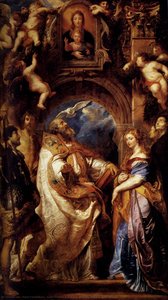
 Acrylic On CanvasWallArtBaroque
 1648
1648 120.0 x 98.0 cm
 Museo de Arte de Ponce
Koupě vysoce rozlišeného, vylepšeného digitálního obrazu, který je mnohem kvalitnější než online náhled.
Každý soubor je pečlivě připraven našimi odborníky pomocí pokročilých nástrojů a expertní manuální retuše. Zajišťujeme, aby každý obraz disponoval výjimečnou ostrostí, přesnou barevnou věrností a jemnými detaily.
Finální soubor vám bude do 72 hodin zaslán e-mailem, optimalizovaný pro okamžité použití v profesionálním, redakčním i tiskovém prostředí. Nabízíme stejnou kvalitu, které důvěřují špičková designová studia, nakladatelství i galerie.
Stáhněte si soubor ve vysokém rozlišení pro osobní prohlížení, tisk a kreativní projekty. ( Koupit tisk Koupit ručně malovaný obraz)
Když si vyberete Most-Famous-Paintings.com, nezískáváte pouze obrázek – získáváte digitální umělecké dílo s profesionálně vylepšenými detaily, zpracované s precizností a podpořené zárukou za spokojenost. Zde je vše, co vaše objednávka automaticky obsahuje:

Váš digitální obraz ve vysokém rozlišení vám bude zaslán e-mailem do 72 hodin od objednávky – připraven k okamžitému použití.

Vaše umělecké dílo je profesionálně optimalizováno pomocí pokročilých nástrojů umělé inteligence a manuální úpravy, což zajišťuje maximální úroveň detailu, ostrosti a přesnosti barev.

Soubor jste omylem smazali nebo ztratili? Žádný problém – kdykoliv vám ho znovu zašleme zcela zdarma.

Užijte si své umělecké dílo okamžitě bez celních poplatků, daní nebo nákladů na dopravu – digitální stažení je vždy bez daňových povinností.

Pomocí profesionálních nástrojů a správy barev zajišťujeme, aby váš digitální obraz odrážel původní barvy co nejvěrněji.

Pokud nebudete s digitální fotografií spokojeni, provedeme její revizi nebo vám vrátíme 100% během 60 dnů – bez jakýchkoliv dotazů.

Nespokojeni? Získejte plnou částku zpět do 60 dní od přijetí vašeho digitálního souboru – bez jakýchkoliv dotazů.

Koupěte si 3 obrazy, ušetřete 10% - Koupěte si 5, ušetřete 15% - Koupěte si 10+, ušetřete 20%. Ideální pro kreativní projekty, galerie a agentury.
Jusepe de Ribera’s “Saint Jerome Writing,” painted in 1648, isn't merely a portrait; it’s an immersion into the soul of a man wrestling with faith, intellect, and the relentless passage of time. The scene unfolds within a dimly lit study – a space deliberately shrouded in shadow, characteristic of Ribera’s masterful use of chiaroscuro, a technique that dramatically contrasts light and dark to create a powerful sense of drama and psychological depth. Before us sits Saint Jerome, not as a triumphant figure of religious iconography, but as a profoundly human individual, his brow furrowed in concentration, his hand poised over parchment, seemingly lost in the act of transcription. The painting immediately evokes a feeling of quiet contemplation, a profound solitude that speaks to the arduous task of translating scripture and the inner struggle inherent in spiritual devotion.

Ribera, a native of Xativa, Spain, forged an extraordinary career in Naples during the 17th century, becoming one of the most influential figures of the Neapolitan Baroque. His style—often described as “tenebrist”—was deeply rooted in Caravaggio’s innovations, yet Ribera developed his own distinct voice, characterized by a raw, unflinching realism and an intense emotionality. He wasn't interested in idealized beauty or polished surfaces; instead, he sought to capture the essence of human experience – its vulnerability, its struggles, and its moments of profound insight. The painting’s composition is deliberately austere, focusing entirely on Jerome and his immediate surroundings, amplifying the sense of introspection.
Born in 1591 and dying in 1652, Ribera's life was marked by both artistic triumph and personal hardship. He endured periods of poverty, illness, and even accusations of heresy, yet he consistently produced works of extraordinary power and beauty. His dedication to portraying the human condition with unflinching honesty cemented his legacy as a master of Baroque painting.
Beyond the immediate depiction of Saint Jerome, the painting is rich in symbolic meaning. The scriptorium itself—a space traditionally associated with learning, wisdom, and divine inspiration—underscores the importance of intellectual pursuit within a religious context. The muted colors, dominated by browns, ochres, and deep reds, contribute to the overall atmosphere of solemnity and contemplation. Notice how Ribera uses light not as a source of illumination but as a tool for dramatic effect, highlighting Jerome’s face and hands while leaving much of the background in shadow. This technique emphasizes his inner world—his thoughts, his struggles, and his unwavering commitment to his task.
The two books flanking the table are not merely props; they represent the Bible itself – the source of Jerome's work and the foundation of his faith. The quill pen symbolizes the act of writing, not just as a physical action but as a process of spiritual transformation. The very posture of the saint—his hunched shoulders, his furrowed brow—suggests the weight of responsibility and the intensity of his devotion.
“Saint Jerome Writing” transcends its religious subject matter to offer a universal meditation on human experience. It’s a poignant portrayal of a man grappling with doubt, seeking solace in faith, and striving for understanding in the face of an uncertain world. Ribera's masterful use of light, shadow, and composition creates a deeply moving image that continues to resonate with viewers centuries after its creation. It is a testament to the enduring power of art to capture the complexities of the human spirit—a reminder that even in solitude and contemplation, we are connected by our shared struggles and aspirations.


1591 - 1652 , Španělsko


Buďte na tahu s nejnovějšími novinkami ze světa umění, exkluzivními nabídkami a inspirativními nápady na dekoraci.
Sdělte nám více o svém projektu a naši odborníci na umění vám připraví 3 personalizované návrhy uměleckých děl.
Nechť pro vás vybereme 3 možnosti – zdarma!


 Náhled
 Sdílet
 Sdílet
 Podrobnosti o díle

 Stáhnout
 Podobné položky
 Rentgenové snímky
 Slideshow
 Zobrazit více