


x

Giclée nebo plátěný tisk muzeální kvality s rychlou výrobou a flexibilními možnostmi povrchové úpravy. ( Koupit ručně malovaný obraz Koupit obrázek)





























Vyberte si z našich přednastavených velikostí, které odpovídají původním proporcím díla.

Můžete zadat vlastní rozměry tak, aby výtvor odpovídal konkrétnímu rámu nebo prostoru. Pokud zvolená velikost nebude odpovídat poměru stran původního obrazu, dílo buď ořížeme, nebo obraz rozšíříme pomocí zrcadlového efektu či jednobarevného okraje. Před zahájením výroby vám bude zaslán digitální náhled k schválení.
Mějte prosím na paměti, že náhled na obrazovce neodráží skutečné oříznutí nebo rozšíření. Pouze digitální náhled přesně zobrazí finální kompozici.
Ačkoliv jsou k dispozici i vlastní rozměry, pro zachování původních proporcí doporučujeme vybrat si rozměr z předdefinovaného seznamu.
Celosvětové doručení () do 2 týdnů namísto standardních 4/5 týdnů. (23 srpen)


Plowman
Rozměry reprodukce
Kazimir Malevich's 1911 painting, "Plowman," isn’t merely a depiction of agricultural labor; it’s a profound distillation of the Russian countryside rendered through the nascent language of abstract art. Born in Kyiv Oblast, Ukraine, in 1879, Malevich’s early life was deeply rooted in the traditions and rhythms of rural Ukrainian existence – a connection that would profoundly shape his artistic trajectory. This work, created during a pivotal period of experimentation within his oeuvre, represents a fascinating intersection between representational elements and the burgeoning principles of Suprematism, the movement he would later pioneer. “Plowman” stands as a testament to Malevich’s ability to capture not just a scene, but an essence – a quiet dignity and inherent connection to the land that resonated deeply with him.
The painting immediately commands attention through its stark simplicity. Rendered almost entirely in shades of gray, ranging from deep charcoal blacks to delicate whites, “Plowman” eschews the vibrant hues of Impressionism and Symbolism that characterized much of Malevich’s earlier work. Instead, he employs a masterful manipulation of line – hatching, cross-hatching, and bold, decisive strokes – to build form and texture. The plow itself is constructed with dense, layered lines, conveying its weight and solidity. Similarly, the horse's musculature is suggested through carefully placed parallel strokes, creating an illusion of volume and movement without resorting to traditional shading. The landscape—a simplified field—is delineated by sweeping horizontal lines, lending a sense of vastness and openness. This deliberate restraint in color forces the viewer to engage with the painting on a purely visual level, focusing on the interplay of line and shadow.
While stripped of overt symbolism, “Plowman” is rich with cultural significance. The figure of the plowman—a ubiquitous symbol across Eastern European cultures—represents not just labor but also tradition, resilience, and a deep connection to the earth. Malevich’s choice to depict him in a relatively static pose suggests a quiet determination, an embodiment of steadfastness against the backdrop of nature's cycles. The horse, integral to this ancient practice, further reinforces this theme – a partnership forged over centuries between human and animal, both bound to the rhythms of the land. The painting subtly evokes the timeless cycle of planting, harvesting, and renewal, reflecting a worldview deeply intertwined with agricultural life.
“Plowman” occupies a crucial position in Malevich’s artistic development. Created during his period of experimentation, it demonstrates a shift away from purely representational forms towards the more abstract principles he would later articulate. The simplified shapes and flattened perspective—a hallmark of Suprematism—begin to emerge, foreshadowing his groundbreaking 1915 painting, “Black Square.” Despite its nascent abstraction, however, "Plowman" retains traces of its origins in earlier styles, particularly in the meticulous rendering of the plow and horse. It’s a transitional work, a bridge between the artist's past explorations and his revolutionary future vision – a moment where tradition meets innovation.
Ultimately, “Plowman” is more than just a depiction of rural life; it’s an evocation of a fundamental human connection to the land. The painting's muted palette, combined with its carefully constructed forms, creates a sense of quiet contemplation—a feeling of stillness and resilience. Malevich’s masterful use of line not only defines the subject matter but also imbues the work with a subtle emotional depth. “Plowman” continues to resonate today as a powerful example of how art can capture both the tangible realities of everyday life and the intangible essence of human experience, cementing Malevich's place as a pivotal figure in the history of modern art.

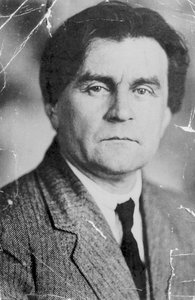
1878 - 1935 , Ukrajina

Explore the radical world of Suprematism. Discover how Kazimir Malevich revolutionized modern art through pure geometric abstraction, non-objective form, and the supremacy of feeling. An essential guide for art students and collectors seeking deep historical context.


Buďte na tahu s nejnovějšími novinkami ze světa umění, exkluzivními nabídkami a inspirativními nápady na dekoraci.
Sdělte nám více o svém projektu a naši odborníci na umění vám připraví 3 personalizované návrhy uměleckých děl.
Nechť pro vás vybereme 3 možnosti – zdarma!


 Náhled
 Sdílet
 Sdílet
 Podrobnosti o díle

 Stáhnout
 Podobné položky
 Rentgenové snímky
 Slideshow

 Zobrazit více







 Skleněná varianta je dostupná pouze u rozměrů menších než 110 cm


