


x
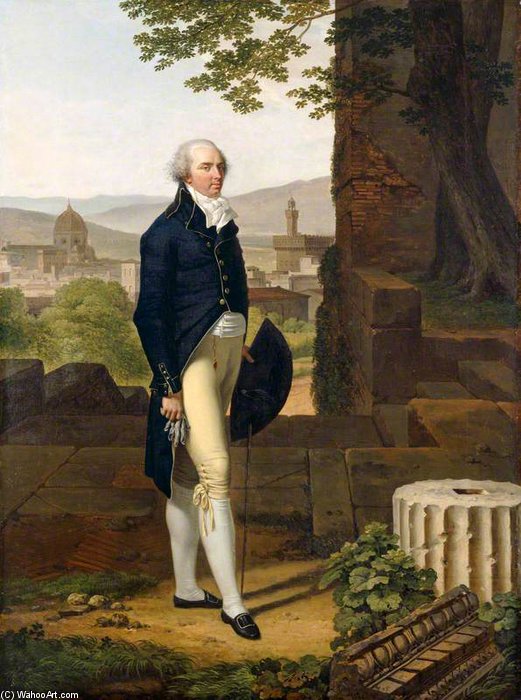
Koupě vysoce rozlišeného, vylepšeného digitálního obrazu, který je mnohem kvalitnější než online náhled.
Každý soubor je pečlivě připraven našimi odborníky pomocí pokročilých nástrojů a expertní manuální retuše. Zajišťujeme, aby každý obraz disponoval výjimečnou ostrostí, přesnou barevnou věrností a jemnými detaily.
Finální soubor vám bude do 72 hodin zaslán e-mailem, optimalizovaný pro okamžité použití v profesionálním, redakčním i tiskovém prostředí. Nabízíme stejnou kvalitu, které důvěřují špičková designová studia, nakladatelství i galerie.
Stáhněte si soubor ve vysokém rozlišení pro osobní prohlížení, tisk a kreativní projekty. ( Koupit tisk Koupit ručně malovaný obraz)
Když si vyberete Most-Famous-Paintings.com, nezískáváte pouze obrázek – získáváte digitální umělecké dílo s profesionálně vylepšenými detaily, zpracované s precizností a podpořené zárukou za spokojenost. Zde je vše, co vaše objednávka automaticky obsahuje:

Váš digitální obraz ve vysokém rozlišení vám bude zaslán e-mailem do 72 hodin od objednávky – připraven k okamžitému použití.

Vaše umělecké dílo je profesionálně optimalizováno pomocí pokročilých nástrojů umělé inteligence a manuální úpravy, což zajišťuje maximální úroveň detailu, ostrosti a přesnosti barev.

Soubor jste omylem smazali nebo ztratili? Žádný problém – kdykoliv vám ho znovu zašleme zcela zdarma.

Užijte si své umělecké dílo okamžitě bez celních poplatků, daní nebo nákladů na dopravu – digitální stažení je vždy bez daňových povinností.

Pomocí profesionálních nástrojů a správy barev zajišťujeme, aby váš digitální obraz odrážel původní barvy co nejvěrněji.

Pokud nebudete s digitální fotografií spokojeni, provedeme její revizi nebo vám vrátíme 100% během 60 dnů – bez jakýchkoliv dotazů.

Nespokojeni? Získejte plnou částku zpět do 60 dní od přijetí vašeho digitálního souboru – bez jakýchkoliv dotazů.

Koupěte si 3 obrazy, ušetřete 10% - Koupěte si 5, ušetřete 15% - Koupěte si 10+, ušetřete 20%. Ideální pro kreativní projekty, galerie a agentury.

The life of Louis Gauffier was a poignant tapestry woven from the threads of classical grandeur and the turbulent realities of a continent in upheaval. Born in 1762 in the quiet French city of Poitiers, Gauffier’s early years were defined by a rigorous pursuit of excellence under the watchful eye of the esteemed history painter Hugues Taraval. This foundational training in Paris instilled within him a profound respect for classical composition and the meticulous observation of detail—virtues that would later allow him to capture both the epic scale of biblical narratives and the intimate nuances of a human face. His ascent was swift; by winning the prestigious Prix de Rome in 1779 with his evocative work, Christ and the Woman of Canaan, Gauffier secured his passage to Italy, a move that would irrevocably alter the trajectory of his soul and his brush.
As he settled into the vibrant artistic atmosphere of Rome, Gauffier found himself at the intersection of antiquity and modernity. The influence of figures like Thomas Hope, a collector of immense breadth, expanded his artistic horizons beyond the mere imitation of the past. Through such encounters, Gauffier’s work began to absorb the textures of antique décor and the elegance of classical motifs. However, the winds of the French Revolution brought with them a chilling instability. The execution of Louis XVI and the subsequent political tremors forced Gauffier into a life of exile. Fleeing the escalating tensions in Paris, he and his wife, the talented painter Pauline Chatillon, sought refuge in Florence. This period of displacement, while fraught with personal uncertainty, became the crucible in which his most enduring style was forged.
In the sun-drenched landscapes of Tuscany, Gauffier found a sanctuary that political turmoil could not touch. Denied the traditional French patronage due to his branding as a royalist, he pivoted from the grand, often demanding stage of history painting toward the serene and enduring beauty of the natural world. This transition was not merely a survival tactic but an artistic evolution. He began to produce landscapes that resonated deeply with the sensibilities of English tourists traversing the continent, capturing the ethereal light and pastoral tranquility of the Italian countryside. His canvases became windows into a world of peace, characterized by a masterful command of color and a luminosity reminiscent of the great Claude Lorrain.
His later years in Italy saw a fascinating stylistic duality. While his landscapes offered a respite from the chaos of the Napoleonic era, the arrival of French troops in Florence in 1799 prompted a return to the human figure through portraiture. He became a sought-after painter of officers, capturing the military elegance and the subtle psychological depth of those stationed in Italy. This period of his work showcases a remarkable versatility:
Though his life was cut short in 1801 in Livorno, Louis Gauffier left behind a legacy that transcends the mere documentation of a turbulent era. He remains a vital link in the chain of Neoclassical art, representing the bridge between the formal academic traditions of late 18th-century France and the romanticized, light-filled landscapes of the Italian tradition. His ability to find beauty amidst displacement—to transform the necessity of exile into an opportunity for stylistic rebirth—serves as a testament to the resilience of the creative spirit. Today, his works stand as silent witnesses to a vanished world, inviting modern viewers to experience the same sense of wonder and tranquility that once guided his brush across the Tuscan plains.

1762 - 1801 , France


Buďte na tahu s nejnovějšími novinkami ze světa umění, exkluzivními nabídkami a inspirativními nápady na dekoraci.
Sdělte nám více o svém projektu a naši odborníci na umění vám připraví 3 personalizované návrhy uměleckých děl.
Nechť pro vás vybereme 3 možnosti – zdarma!


 Náhled
 Sdílet
 Sdílet
 Podrobnosti o díle

 Stáhnout
 Podobné položky
 Rentgenové snímky
 Slideshow
 Zobrazit více


