x

Ručně malovaná olejná barva na plátně ve vašem zvoleném rozměru i s rámem, vyrobená našimi umělci na zakázku. ( Koupit tisk Koupit obrázek)





























Vyberte si z našich přednastavených velikostí, které odpovídají původním proporcím díla.

Můžete zadat vlastní rozměry pro konkrétní rám nebo prostor. Pokud se vámi vybraná velikost neshoduje s proporcemi původního obrazu, dílo buď ořízneme, nebo jej doplníme ručně malovanými prvky. Před zahájením výroby vám bude zaslán digitální náhled ke schválení.
Upozorňujeme, že náhled na obrazovce neodpovídá skutečnému ořezu ani rozšíření. Pouze digitální náhled přesně zobrazí finální kompozici.
Ačkoliv je možné zvolit vlastní velikost, pro zachování původních proporcí doporučujeme vybrat rozměr z předdefinovaného seznamu.
Celosvětová doprava () za 3–4 týdny namísto standardních 5 týdnů. (17 srpen). Bez kompromisů v kvalitě.


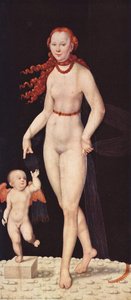
The Three Graces
Rozměry reprodukce
In the quiet halls of the Nelson-Atkins Museum of Art, Lucas Cranach the Elder’s "The Three Graces" stands as a breathtaking testament to the enduring allure of the German Renaissance. Painted around 1535, this masterpiece transcends its era to offer a timeless meditation on femininity, grace, and the divine. The composition presents three ethereal figures, stripped of worldly adornment, standing in a poised arrangement against a deep, velvety black background. This stark contrast serves a profound purpose: it pushes the luminous skin of the women toward the viewer, creating an intimate encounter that feels both immediate and otherworldly. Each figure is captured in a moment of quiet confidence, their hands resting elegantly on their hips, embodying a sense of dignity that speaks to the humanist ideals flourishing during the sixteenth century.
The technical brilliance of Cranach lies in his ability to marry the precision of Northern European realism with a soft, almost dreamlike atmosphere. Through the masterful application of sfumato, the artist subtly blurs the contours of the bodies, allowing light to dance across the curves of their forms and creating a sense of palpable warmth. His palette is a sophisticated study in restraint; by utilizing muted earthy browns, creams, and soft flesh tones, Cranach ensures that the viewer's focus remains entirely on the sculptural beauty of the subjects. This delicate handling of oil on panel allows for a luminous depth, where the light seems to emanate from within the figures themselves, inviting the observer into a state of quiet contemplation.
Beyond its striking visual impact, "The Three Graces" is a rich tapestry of mythological and spiritual symbolism. The subjects are widely identified as the daughters of Zeus—Euphrosyne, Aglaea, and Thalia—the classical personifications of joy, splendor, and youthful beauty. Yet, Cranach imbues these pagan archetypes with a layer of Christianized grace suitable for his contemporary audience. The presence of small birds perched near the figures acts as a subtle metaphor for spiritual aspiration and the lightness of the soul, elevating the scene from a mere study of the human form to a higher plane of existence. This duality—the intersection of classical myth and Renaissance spirituality—is what gives the painting its profound emotional resonance.
For the discerning collector or interior designer, this artwork offers more than just aesthetic pleasure; it provides a focal point of intellectual and emotional depth. A high-quality reproduction of this piece brings a sense of historical gravity and sophisticated elegance to any space. Whether placed in a curated gallery setting or as a centerpiece in a refined living area, "The Three Graces" commands attention through its balance of strength and vulnerability. It is an invitation to pause, to reflect on the harmony of the natural world, and to surround oneself with the enduring symbols of virtue and beauty that have captivated humanity for centuries.


1472 - 1553 , Německo

Explore the profound history and technical brilliance of oil on panel painting. From Renaissance masters to modern techniques, discover why this rigid support offers unparalleled precision and permanence for fine art lovers and collectors.

Explore the profound mastery of Northern Renaissance art. Discover the technical brilliance of Flemish oil painting, the intricate symbolism of Bosch and Bruegel, and the revolutionary realism that redefined European art history through an expert historical lens.


Buďte na tahu s nejnovějšími novinkami ze světa umění, exkluzivními nabídkami a inspirativními nápady na dekoraci.
Sdělte nám více o svém projektu a naši odborníci na umění vám připraví 3 personalizované návrhy uměleckých děl.
Nechť pro vás vybereme 3 možnosti – zdarma!


 Náhled
 Sdílet
 Sdílet
 Podrobnosti o díle

 Stáhnout
 Podobné položky
 Rentgenové snímky
 Slideshow


 Zobrazit více







 Skleněná varianta je dostupná pouze u rozměrů menších než 110 cm