x


 Koupit tisk Koupit digitální obrázek
 Sdílet
 Podrobnosti o díle
 Přidat do oblíbených
 Stáhnout
 Podobné položky
 Rentgenové snímky
 Slideshow
Ručně malovaná olejná barva na plátně ve vašem zvoleném rozměru i s rámem, vyrobená našimi umělci na zakázku.





























Vyberte si z našich přednastavených velikostí, které odpovídají původním proporcím díla.

Můžete zadat vlastní rozměry pro konkrétní rám nebo prostor. Pokud se vámi vybraná velikost neshoduje s proporcemi původního obrazu, dílo buď ořízneme, nebo jej doplníme ručně malovanými prvky. Před zahájením výroby vám bude zaslán digitální náhled ke schválení.
Upozorňujeme, že náhled na obrazovce neodpovídá skutečnému ořezu ani rozšíření. Pouze digitální náhled přesně zobrazí finální kompozici.
Ačkoliv je možné zvolit vlastní velikost, pro zachování původních proporcí doporučujeme vybrat rozměr z předdefinovaného seznamu.
Celosvětová doprava () za 3–4 týdny namísto standardních 5 týdnů. (23 červenec). Bez kompromisů v kvalitě.


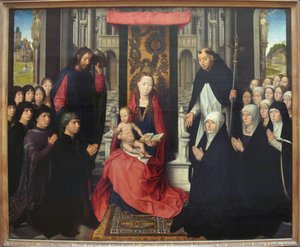
The Trinity
Rozměry reprodukce
Lucas Cranach the Elder's “The Trinity,” painted around 1515, stands as a cornerstone of Northern Renaissance art—a testament to both masterful craftsmanship and profound theological contemplation. More than just a depiction of biblical scripture, this monumental altarpiece embodies the spirit of its time, reflecting the anxieties and aspirations surrounding the burgeoning Protestant Reformation while simultaneously showcasing Cranach’s unparalleled ability to convey emotion and psychological nuance.
Created during a turbulent era marked by religious reform and political maneuvering, “The Trinity” reflects the intellectual fervor of its time. Cranach’s patronage by Frederick III underscores the importance of royal commissions in shaping artistic trends—demonstrating how art served as a vehicle for conveying ideological messages. The painting's subject matter – the Holy Trinity – resonated deeply with Protestant theologians who sought to reaffirm faith in God’s unity and transcendence amidst the challenges posed by papal authority.
"The Trinity" transcends mere visual representation; it aspires to evoke a profound emotional response in the viewer. Cranach’s masterful use of color—particularly blues and golds—creates an atmosphere of solemn grandeur, fostering contemplation and reverence. The painting's stillness contrasts sharply with the dynamism of the crucifixion scene itself, prompting reflection on themes of faith, sacrifice, and divine love. It remains a powerful reminder of humanity’s yearning for spiritual connection and understanding.


1472 - 1553 , Německo

Explore the Northern Renaissance! Discover Jan van Eyck's innovations, religious shifts, & key artists of this influential period. Expert analysis and insights into Early Netherlandish painting at Most-Famous-Paintings.

Objevte 10 ikonických děl rané nizozemské malby – Jan van Eyck, Rogier van der Weyden a další mistři. Ponořte se do renesanční techniky a historie umění s Most-Famous-Paintings.com! Prohlédněte si reprodukce obrazů pro váš interiér.

Explore the rich history of oil on panel painting! Discover Renaissance techniques, support construction, & the enduring legacy of this masterful art form. Expert insights for collectors and enthusiasts.

Objevte 10 ikonických děl rané nizozemské renesance – Jan van Eyck, Robert Campin a další mistři. Ponořte se do příběhů olejomalby, portrétů a symboliky. Najděte inspiraci pro váš interiér s reprodukcemi nejvyšší kvality na Most-Famous-Paintings.com
Objevte 25 ikonických děl Raffaela – od Sixtinské madony po Atény školu. Ponořte se do světa renesance a obdivujte mistrovské obrazy online. Reprodukce obrazů nejvyšší kvality pro váš interiér na Most-Famous-Paintings.cz.


Buďte na tahu s nejnovějšími novinkami ze světa umění, exkluzivními nabídkami a inspirativními nápady na dekoraci.
Sdělte nám více o svém projektu a naši odborníci na umění vám připraví 3 personalizované návrhy uměleckých děl.
Nechť pro vás vybereme 3 možnosti – zdarma!


 Sdílet


 Zobrazit více







 Skleněná varianta je dostupná pouze u rozměrů menších než 110 cm