


x

Ručně malovaná olejná barva na plátně ve vašem zvoleném rozměru i s rámem, vyrobená našimi umělci na zakázku. ( Switch to Print Switch to Image)





























Vyberte si z našich přednastavených velikostí, které odpovídají původním proporcím díla.

Můžete zadat vlastní rozměry pro konkrétní rám nebo prostor. Pokud se vámi vybraná velikost neshoduje s proporcemi původního obrazu, dílo buď ořízneme, nebo jej doplníme ručně malovanými prvky. Před zahájením výroby vám bude zaslán digitální náhled ke schválení.
Upozorňujeme, že náhled na obrazovce neodpovídá skutečnému ořezu ani rozšíření. Pouze digitální náhled přesně zobrazí finální kompozici.
Ačkoliv je možné zvolit vlastní velikost, pro zachování původních proporcí doporučujeme vybrat rozměr z předdefinovaného seznamu.
Celosvětová doprava () za 3–4 týdny namísto standardních 5 týdnů. (29 červenec). Bez kompromisů v kvalitě.


Sphere
Rozměry reprodukce
Lucio Fontana's 1957 work, simply titled 'Sphere,' is not merely a depiction of two balls; it’s an intensely felt exploration of space, materiality, and the very act of artistic creation. This seemingly simple composition, executed in black and yellow against a stark white backdrop, embodies the core tenets of Fontana's Spatialism – a movement he pioneered that sought to liberate art from traditional representational constraints by engaging directly with the fourth dimension: space itself. The photograph captures two spheres, one textured and dark, the other smooth and luminous, resting on a plane that feels both solid and infinitely receding. Scattered around them are smaller circles, echoing and amplifying the central theme of expansion and fragmentation.
Born in Rosario, Argentina, in 1899, Lucio Fontana’s artistic trajectory was shaped by a unique duality – his Argentinian heritage and his immersion in European avant-garde movements. Initially trained as a sculptor, influenced by his father's work, Fontana’s early explorations were rooted in traditional form. However, the post-war period witnessed a profound shift in artistic thinking, fueled by developments in physics (Einstein’s theory of relativity) and a growing fascination with the subconscious. This context directly informed Spatialism, which sought to visualize the idea that artists could cut into, puncture, or otherwise transform painted surfaces to reveal the underlying space behind them – a concept profoundly influenced by the notion of infinite space.
Fontana’s technique in ‘Sphere’ is deceptively straightforward. The bold use of contrasting colors—the deep black and vibrant yellow—immediately draws the eye, yet it's the subtle variations in texture that truly elevate the work. The rougher surface of the black sphere suggests a physicality, an engagement with the material itself, while the smoother yellow sphere evokes a sense of luminosity and ethereal quality. This deliberate juxtaposition highlights Fontana’s interest in exploring the relationship between tactile experience and visual perception. The inclusion of smaller circles isn't merely decorative; they function as echoes, reinforcing the idea of expanding space and disrupting any sense of static representation.
'Sphere' resonates with a profound sense of mystery and possibility. It’s a work that invites contemplation about the nature of reality, the limits of perception, and the potential for artistic transformation. The act of presenting these spheres – seemingly simple objects – within this context elevates them to symbols of boundless space and infinite potential. Fontana wasn’t simply painting; he was creating a visual metaphor for a radical shift in how we understand our relationship with the world around us. This piece speaks to a desire for liberation, a yearning to break free from conventional boundaries, and an embrace of the unknown – emotions that continue to resonate powerfully with viewers today.

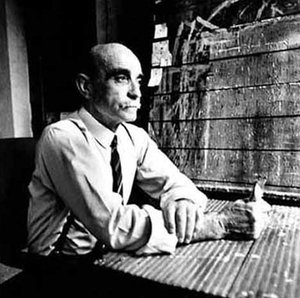
1899 - 1968 , Argentina

Prozkoumejte 25 ikonických děl z Metropolitního muzea v New Yorku! Objevte příběhy Van Gogha, Moneta a dalších mistrů. Reprodukce obrazů pro váš interiér na Most-Famous-Paintings.com.
Prozkoumejte 25 ikonických děl Jamese Abbotta McNeilla Whistlera! Obrazy Nocturnes, portréty a estetismus. Inspirace pro interiér s uměleckými reprodukcemi nejvyšší kvality na Most-Famous-Paintings.com. Objevte celou kolekci online.
Prozkoumejte 25 ikonických děl Henri Matisse – mistra barev a fauvismu. Objevte příběhy za slavnými obrazy, techniky a inspiraci pro váš interiér. Reprodukce obrazů nejvyšší kvality na Most-Famous-Paintings.com.
Prozkoumejte 25 ikonických děl Andyho Warhola – od Marilyn Monroe po Campbell's Soup Cans. Objevte příběhy za pop artovými legendami a inspirujte se pro váš interiér s reprodukcemi nejvyšší kvality na Most-Famous-Paintings.com.

Prozkoumejte 25 ikonických děl z Detroit Institute of Arts! Obrazy Van Gogha, Moneta a Rembrandta ožívají. Inspirace pro váš interiér s reprodukcemi nejvyšší kvality na Most-Famous-Paintings.com.


Buďte na tahu s nejnovějšími novinkami ze světa umění, exkluzivními nabídkami a inspirativními nápady na dekoraci.
Sdělte nám více o svém projektu a naši odborníci na umění vám připraví 3 personalizované návrhy uměleckých děl.
Nechť pro vás vybereme 3 možnosti – zdarma!


 Preview
 Sdílet
 Sdílet
 Podrobnosti o díle

 Stáhnout
 Podobné položky
 Rentgenové snímky
 Slideshow

 Zobrazit více







 Skleněná varianta je dostupná pouze u rozměrů menších než 110 cm


