x

 AcrylicWallArtNaïve Art (Primitivism)
 1960
1960 47.0 x 32.0 cm
Giclée nebo plátěný tisk muzeální kvality s rychlou výrobou a flexibilními možnostmi povrchové úpravy. ( Koupit ručně malovaný obraz Koupit obrázek)
Vyberte si z našich přednastavených velikostí, které odpovídají původním proporcím díla.

Můžete zadat vlastní rozměry tak, aby výtvor odpovídal konkrétnímu rámu nebo prostoru. Pokud zvolená velikost nebude odpovídat poměru stran původního obrazu, dílo buď ořížeme, nebo obraz rozšíříme pomocí zrcadlového efektu či jednobarevného okraje. Před zahájením výroby vám bude zaslán digitální náhled k schválení.
Mějte prosím na paměti, že náhled na obrazovce neodráží skutečné oříznutí nebo rozšíření. Pouze digitální náhled přesně zobrazí finální kompozici.
Ačkoliv jsou k dispozici i vlastní rozměry, pro zachování původních proporcí doporučujeme vybrat si rozměr z předdefinovaného seznamu.
Celosvětové doručení () do 2 týdnů namísto standardních 4/5 týdnů. (15 srpen)


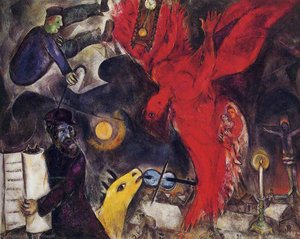
An angel
Rozměry reprodukce
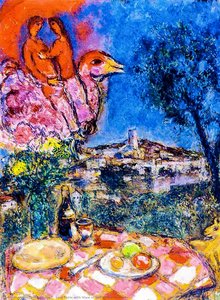
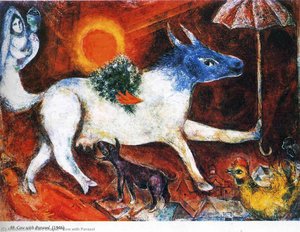
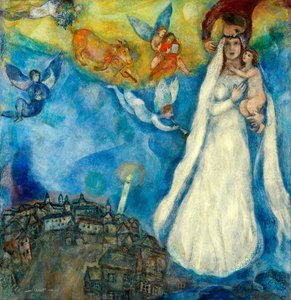
Marc Chagall’s “The Angel,” created in 1960, stands as a quintessential example of Naïve Art (Primitivism), encapsulating the artist's lifelong fascination with folklore, biblical narratives, and the dreamlike landscapes of his childhood in Vitebsk. Printed as part of Fernand Mourlot’s seminal lithograph catalogue raisonné – Volume I – this artwork transcends mere visual representation; it embodies Chagall’s profound engagement with universal themes of spirituality, hope, and transcendence.
The composition itself is strikingly simple yet powerfully evocative. Dominating the canvas is a bird—a recurring motif throughout Chagall's oeuvre—wings outstretched in an upward trajectory against a backdrop of luminous moonlight. Beneath this celestial figure hover two horses, their forms rendered with characteristic fluidity and expressive distortion – mirroring the turbulent emotions inherent in Chagall’s artistic vision.
A solitary human form occupies the lower left corner, seemingly grounded amidst the soaring imagery above. This figure is positioned deliberately to create a visual dialogue between earthly existence and divine aspiration—a central preoccupation of Chagall's artistic explorations. The artist skillfully employs hatching and cross-hatching techniques to build up tonal values, capturing the ethereal quality of moonlight and conveying a palpable sense of movement.
“The Angel” is deeply embedded within Vitebsk’s cultural heritage. The bird symbolizes freedom and aspiration—a characteristic emblem of Hasidic Jewish tradition—while the horses represent strength, resilience, and the cyclical nature of life. Chagall frequently incorporated elements from Belarusian folklore into his paintings, drawing inspiration from myths and legends that resonate with primal emotions.
The moon serves as a beacon of illumination, guiding the viewer’s gaze upwards toward the heavens—a deliberate reference to biblical imagery and symbolizing divine grace. The horse on the right side is particularly notable for its expressive gesture, conveying both vulnerability and determination – mirroring Chagall's own artistic journey.
Chagall’s stylistic approach defies categorization, blending influences from Cubism, Fauvism, and Symbolism into a uniquely personal idiom. However, at its core lies an unwavering commitment to representation—albeit imbued with dreamlike color palettes and fantastical imagery. As he himself stated, “I wish my mythological floating figures and symbolism to be interpreted freely.”
"The Angel" exemplifies Chagall’s ability to transform observation into profound artistic expression – capturing not just what is seen but also what is felt—a testament to his enduring legacy as one of the most influential artists of the 20th century.

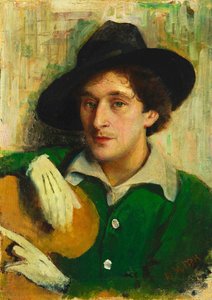
1887 - 1985 , Belorusko

Explore the profound history and technical mastery of woodcut relief printing. From ancient origins to German Expressionism, discover how artists use the subtractive process to create iconic works. A definitive guide for art students, collectors, and historians.

Discover the technical mastery behind Most-Famous-Paintings.com's premium Giclée canvas prints. Our guide for elite collectors explores archival pigment inks, museum-grade substrates, and the science of high-fidelity reproduction to ensure lasting beauty and historical accuracy.


Buďte na tahu s nejnovějšími novinkami ze světa umění, exkluzivními nabídkami a inspirativními nápady na dekoraci.
Sdělte nám více o svém projektu a naši odborníci na umění vám připraví 3 personalizované návrhy uměleckých děl.
Nechť pro vás vybereme 3 možnosti – zdarma!


 Náhled
 Sdílet
 Sdílet
 Podrobnosti o díle

 Stáhnout
 Podobné položky
 Rentgenové snímky
 Slideshow
 Zobrazit více




































 Skleněná varianta je dostupná pouze u rozměrů menších než 110 cm