


x

 Acrylic On CanvasWallArtNaive Art
 1973Renaissance
 73.0 x 92.0 cm
Ručně malovaná olejná barva na plátně ve vašem zvoleném rozměru i s rámem, vyrobená našimi umělci na zakázku. ( Koupit tisk Koupit obrázek)





























Vyberte si z našich přednastavených velikostí, které odpovídají původním proporcím díla.

Můžete zadat vlastní rozměry pro konkrétní rám nebo prostor. Pokud se vámi vybraná velikost neshoduje s proporcemi původního obrazu, dílo buď ořízneme, nebo jej doplníme ručně malovanými prvky. Před zahájením výroby vám bude zaslán digitální náhled ke schválení.
Upozorňujeme, že náhled na obrazovce neodpovídá skutečnému ořezu ani rozšíření. Pouze digitální náhled přesně zobrazí finální kompozici.
Ačkoliv je možné zvolit vlastní velikost, pro zachování původních proporcí doporučujeme vybrat rozměr z předdefinovaného seznamu.
Celosvětová doprava () za 3–4 týdny namísto standardních 5 týdnů. (22 srpen). Bez kompromisů v kvalitě.


Jacob's Ladder
Rozměry reprodukce
Marc Chagall’s “Jacob’s Ladder,” completed in 1973, stands as a luminous testament to the artist’s enduring fascination with biblical narratives and his unparalleled ability to translate spiritual concepts into visual poetry. This monumental oil on canvas—measuring 73 x 92 cm—belongs firmly within the Naïve Art movement (Primitivism), yet transcends categorization through Chagall's distinctive vision, rooted in memory and infused with a dreamlike quality that captivates viewers decades after its creation.
The painting draws directly from Genesis 28:10–19, recounting Jacob’s prophetic dream of a ladder ascending to heaven—a symbol laden with theological significance. Chagall meticulously renders this ethereal scene, prioritizing emotional resonance over strict realism. The dominant crimson sky serves as an arresting backdrop, conveying divine majesty and casting an otherworldly glow upon the entire composition. At its center is the ladder itself, populated by angelic figures depicted with fluid brushstrokes that capture movement and luminosity—a deliberate departure from academic conventions.
Beyond its biblical reference, “Jacob’s Ladder” overflows with symbolic imagery. The village nestled beneath the ladder represents earthly existence, juxtaposed against the celestial realm above. Chagall employs a vibrant palette—primarily reds, blues, and yellows—to heighten emotional impact and create an atmosphere of wonder. His technique is characterized by loose brushwork, impasto (thickly applied paint), and expressive layering, hallmarks of Naïve Art’s rejection of formal training. These stylistic choices contribute to the painting's dreamlike quality, mirroring Jacob’s visionary experience.
“Jacob’s Ladder” is part of a broader artistic trajectory marked by Chagall’s exploration of Jewish folklore and spirituality. Alongside masterpieces like “Moses Receiving the Tablets of Law,” “Striking the Rock,” and “The Walk,” this painting exemplifies his commitment to conveying profound emotional truths through imaginative visual language. Chagall's stylistic influence extends beyond Naïve Art, impacting subsequent generations of artists who sought to capture the essence of emotion and memory.
"Jacob’s Ladder" continues to resonate with audiences today because it embodies Chagall’s unwavering belief in the transformative power of art—a conviction that transcends time and cultural boundaries. Its luminous colors, evocative brushwork, and symbolic richness invite contemplation on themes of faith, aspiration, and the enduring connection between humanity and divinity. It remains a captivating exemplar of artistic expression.

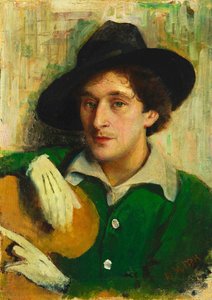
1887 - 1985 , Belorusko

Explore the revolutionary world of Naïve Art & Primitivism! Discover how artists challenged academic traditions with raw emotion & unique styles. Learn about Picasso, Rousseau & more at Most-Famous-Paintings.

Discover the profound beauty of Naïve Art. Explore how self-taught masters bypass academic tradition to capture raw emotional truth through vibrant color and soulful simplicity. A cultural journey for the true art lover seeking depth beyond convention.
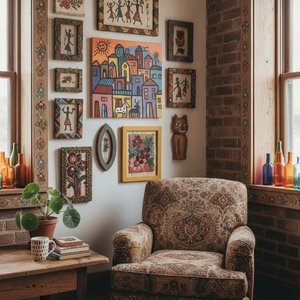
Ditch the boring decor. Discover why Naive Art's raw, bold, and unfiltered aesthetic is the ultimate trend for modern urban spaces. Learn how to use vibrant colors and unstudied sincerity to create a high-impact, authentic vibe in your home or studio.
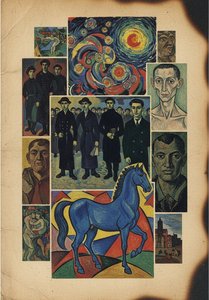
Prozkoumejte 10 ikonických děl německého expresionismu od Muncha, Kirchnera a dalších. Objevte příběhy za obrazy plnými emocí a výrazných barev. Reprodukce umění nejvyšší kvality na Most-Famous-Paintings.com – inspirace pro váš interiér!

Objevte 10 legendárních litografií od Toulouse-Lautreca, Muncha a Picassa! Ponořte se do historie umění s Most-Famous-Paintings.cz a zkrášlete svůj domov reprodukcemi nejvýznamnějších děl. Prozkoumejte celou kolekci online.


Buďte na tahu s nejnovějšími novinkami ze světa umění, exkluzivními nabídkami a inspirativními nápady na dekoraci.
Sdělte nám více o svém projektu a naši odborníci na umění vám připraví 3 personalizované návrhy uměleckých děl.
Nechť pro vás vybereme 3 možnosti – zdarma!


 Náhled
 Sdílet
 Sdílet
 Podrobnosti o díle

 Stáhnout
 Podobné položky
 Rentgenové snímky
 Slideshow
 Zobrazit více







 Skleněná varianta je dostupná pouze u rozměrů menších než 110 cm


