x

 Acrylic On PaperOtherExpressionism
 1963
1963 19.0 x 31.0 cm
Ručně malovaná olejná barva na plátně ve vašem zvoleném rozměru i s rámem, vyrobená našimi umělci na zakázku. ( Koupit tisk Koupit obrázek)





























Vyberte si z našich přednastavených velikostí, které odpovídají původním proporcím díla.

Můžete zadat vlastní rozměry pro konkrétní rám nebo prostor. Pokud se vámi vybraná velikost neshoduje s proporcemi původního obrazu, dílo buď ořízneme, nebo jej doplníme ručně malovanými prvky. Před zahájením výroby vám bude zaslán digitální náhled ke schválení.
Upozorňujeme, že náhled na obrazovce neodpovídá skutečnému ořezu ani rozšíření. Pouze digitální náhled přesně zobrazí finální kompozici.
Ačkoliv je možné zvolit vlastní velikost, pro zachování původních proporcí doporučujeme vybrat rozměr z předdefinovaného seznamu.
Celosvětová doprava () za 3–4 týdny namísto standardních 5 týdnů. (15 srpen). Bez kompromisů v kvalitě.


Moses with the Burning Bush
Rozměry reprodukce
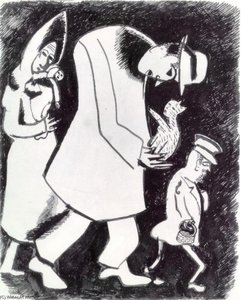
Marc Chagall’s “Moses with the Burning Bush,” created in 1963, isn’t merely a depiction of a biblical narrative; it’s an intensely personal and profoundly moving exploration of faith, memory, and the enduring power of dreams. This striking black-and-white drawing, measuring a modest 19 x 31 cm, immediately captivates with its dynamic composition and expressive energy – a far cry from the polished realism of many historical paintings. It feels less like a carefully constructed narrative and more like a fleeting glimpse into Chagall’s own inner world, a testament to his lifelong fascination with folklore, Jewish tradition, and the ethereal realm of imagination.
The drawing's immediate impact stems from its loose, almost sketch-like execution. Lines are thick and uneven, creating a palpable sense of movement and urgency. Figures aren’t rendered with precise detail but rather suggested through gestural marks and overlapping planes – a technique that echoes the influence of Expressionism while retaining Chagall’s uniquely individual style. The flattened perspective further contributes to this feeling of immediacy, drawing the viewer directly into the scene as if witnessing it unfold before their eyes.
At the heart of the composition is Moses himself, a figure both grounded and reaching upwards. He’s not presented as a heroic leader but rather as a man wrestling with revelation, his posture conveying a sense of profound contemplation. Crucially, he's surrounded by other figures – women, children, and animals – all caught in a swirling dance of movement, seemingly propelled skyward. This imagery is deeply rooted in Chagall’s personal mythology, referencing the folklore of his Hasidic Jewish upbringing where stories of flight and ascension were central to religious belief. These aren’t simply bystanders; they represent the collective experience of faith, drawn upwards towards the divine.
Dominating the scene is, of course, the burning bush – a potent symbol of God's presence and revelation. Chagall doesn’t offer a literal representation; instead, he captures its essence through an illuminated sphere at the top left corner, radiating light and drawing the eye upwards. This isn’t a static image of divine power but rather a dynamic force, actively illuminating the figures below and suggesting a transformative experience.
The artwork is primarily executed in pencil, utilizing hatching and cross-hatching to create varying tones and textures. This technique lends a raw, immediate quality to the piece – it feels as though Chagall worked directly onto the paper, capturing his thoughts and emotions with swift, decisive strokes. The use of black and white further emphasizes the drawing’s emotional intensity, stripping away any distractions and focusing attention on form, movement, and symbolism. The textured surface, created by the layering of graphite, adds a tactile dimension to the image, inviting viewers to engage with it on a sensory level.
“Moses with the Burning Bush” is more than just a biblical illustration; it’s a window into the soul of one of the 20th century’s most beloved artists. Born Moishe Shagal in Liozna, Belarus, Chagall’s life was shaped by his Jewish heritage and his deep connection to the folklore of his childhood. His art consistently reflects this influence, blending religious symbolism with personal memories and a boundless imagination. This drawing, created later in his career, demonstrates the continued strength of his vision – a testament to his ability to transform profound spiritual experiences into works of enduring beauty and emotional resonance. Reproductions offer a remarkable opportunity to bring this captivating piece into any space, inviting contemplation and sparking the imagination.

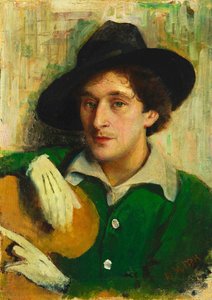
1887 - 1985 , Belorusko

Elevate your interiors with impactful statement walls! Expert guide on scaling artwork for perfect proportions & design harmony. Custom solutions & free consultations at Most-Famous-Paintings.

Explore the rich history of biblical art from Giotto to the Renaissance masters. Discover symbolism, techniques & enduring legacies with Most-Famous-Paintings – your source for museum-quality reproductions and expert art insights.

Explore the profound history of biblical art! Discover Renaissance masterpieces by Giotto & more. Uncover symbolism, artistic techniques, and lasting influence. Expert insights at Most-Famous-Paintings.

Explore the art of multi-panel arrangements for impactful interiors. Expert guidance on spatial harmony, visual storytelling & psychological impact – perfect for luxury hotels and discerning collectors. Elevate your space with curated artwork.

Prozkoumejte 10 nejikoničtějších obrazů v odstínech černé od Rembrandta po Van Gogha. Objevte příběhy umění, techniky a inspiraci pro váš interiér s Most-Famous-Paintings.com – reprodukce obrazů prvotřídní kvality.


Buďte na tahu s nejnovějšími novinkami ze světa umění, exkluzivními nabídkami a inspirativními nápady na dekoraci.
Sdělte nám více o svém projektu a naši odborníci na umění vám připraví 3 personalizované návrhy uměleckých děl.
Nechť pro vás vybereme 3 možnosti – zdarma!


 Náhled
 Sdílet
 Sdílet
 Podrobnosti o díle

 Stáhnout
 Podobné položky
 Rentgenové snímky
 Slideshow
 Zobrazit více







 Skleněná varianta je dostupná pouze u rozměrů menších než 110 cm