x


 Koupit tisk Koupit digitální obrázek
 Sdílet
 Podrobnosti o díle
 Přidat do oblíbených
 Stáhnout
 Podobné položky
 Rentgenové snímky
 Slideshow
Ručně malovaná olejná barva na plátně ve vašem zvoleném rozměru i s rámem, vyrobená našimi umělci na zakázku.





























Vyberte si z našich přednastavených velikostí, které odpovídají původním proporcím díla.

Můžete zadat vlastní rozměry pro konkrétní rám nebo prostor. Pokud se vámi vybraná velikost neshoduje s proporcemi původního obrazu, dílo buď ořízneme, nebo jej doplníme ručně malovanými prvky. Před zahájením výroby vám bude zaslán digitální náhled ke schválení.
Upozorňujeme, že náhled na obrazovce neodpovídá skutečnému ořezu ani rozšíření. Pouze digitální náhled přesně zobrazí finální kompozici.
Ačkoliv je možné zvolit vlastní velikost, pro zachování původních proporcí doporučujeme vybrat rozměr z předdefinovaného seznamu.
Celosvětová doprava () za 3–4 týdny namísto standardních 5 týdnů. (22 červenec). Bez kompromisů v kvalitě.


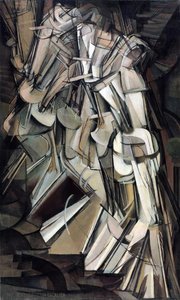
The thicket
Rozměry reprodukce
Marcel Duchamp’s “The Thicket,” painted around 1918, is not merely a depiction of two women; it’s a carefully constructed meditation on the very essence of artistic representation and human connection. This evocative work, rendered in a predominantly blue palette, immediately draws the viewer into an intimate tableau – one of quiet contemplation and tender interaction. The scene unfolds with a remarkable simplicity: a kneeling woman, bathed in the cool tones of the background, receives a gentle touch from the standing figure behind her. The composition avoids overt narrative, instead focusing on capturing a fleeting moment, a shared experience that resonates with universal themes of vulnerability and affection.
Created during a period of immense artistic upheaval – the rise of Cubism, Futurism, and the burgeoning Dada movement – “The Thicket” exemplifies Duchamp's radical departure from traditional representational art. Born Henri-Robert-Marcel Duchamp in 1887, he rejected the academic constraints of his early training, famously declaring that art should be ‘about the idea,’ not just a skillful rendering of reality. This philosophy is powerfully evident here; the painting’s power lies not in its technical execution – though it demonstrates a clear understanding of color and form – but in its ability to provoke thought about the nature of perception and artistic value. Duchamp's influence extends far beyond his immediate contemporaries, shaping the course of 20th-century art and paving the way for Conceptual Art.
The painting’s technique is characterized by a deliberate flatness of field and a restrained use of color. The blue tones dominate, creating a sense of melancholy and introspection. Duchamp's brushwork is precise yet subtly textured, avoiding any illusionistic depth. The composition itself is deceptively simple: the diagonal lines created by the figures and trees lead the eye through the scene, while the kneeling woman’s posture invites the viewer to step into the intimate space she occupies. The background trees, rendered with a degree of abstraction, serve not as mere decorative elements but as integral components of the overall composition, contributing to the painting's sense of depth and atmosphere.
"The Thicket" resists easy interpretation, deliberately blurring the lines between representation and abstraction. The act of kneeling suggests submission or reverence, while the hand on the head represents comfort, protection, or perhaps even a subtle power dynamic. The blue palette contributes to an atmosphere of quiet contemplation and emotional vulnerability. Duchamp’s work invites viewers to engage with their own interpretations, recognizing that art's true value lies not in its literal depiction but in its ability to evoke emotion and stimulate thought. This piece is a testament to Duchamp's belief that the artist's role is to challenge conventions and provoke dialogue, making it a profoundly significant addition to the canon of modern art.


1887 - 1968 , Francie

Objevte sílu minimalismu v umění! Prozkoumejte top 10 děl od Rothka, Maleviče a dalších. Inspirujte se jednoduchostí barev a tvarů pro váš interiér. Reprodukce obrazů nejvyšší kvality na Most-Famous-Paintings.com.

Explore the revolutionary Dada art movement! Discover its origins, key artists like Duchamp & Arp, and lasting impact on modern art. A deep dive into anti-art & challenging conventions.
Objevte 10 ikonických uměleckých děl, které vyvolávají hluboký klid a relaxaci. Claude Monet, Van Gogh a další mistři. Najděte inspiraci pro váš interiér s reprodukcemi obrazů nejvyšší kvality na Most-Famous-Paintings.cz! Prozkoumejte celou sbírku online.

Prozkoumejte 10 legendárních leptů od Rembrandta, Goya a dalších mistrů. Objevte historii umělecké grafiky, etingové techniky a inspirujte se pro váš interiér s reprodukcemi nejvyšší kvality na Most-Famous-Paintings.com.

Prozkoumejte 10 legendárních akrylových obrazů na plátně od Pollocka, Rothka a dalších. Objevte příběhy za uměleckými díly, které změnily svět moderního umění. Reprodukce obrazů nejvyšší kvality pro váš interiér – Most-Famous-Paintings.cz


Buďte na tahu s nejnovějšími novinkami ze světa umění, exkluzivními nabídkami a inspirativními nápady na dekoraci.
Sdělte nám více o svém projektu a naši odborníci na umění vám připraví 3 personalizované návrhy uměleckých děl.
Nechť pro vás vybereme 3 možnosti – zdarma!


 Sdílet


 Zobrazit více







 Skleněná varianta je dostupná pouze u rozměrů menších než 110 cm