x


Ručně malovaná olejná barva na plátně ve vašem zvoleném rozměru i s rámem, vyrobená našimi umělci na zakázku. ( Přepnout na tisk Přepnout na obrázek)





























Vyberte si z našich přednastavených velikostí, které odpovídají původním proporcím díla.

Můžete zadat vlastní rozměry pro konkrétní rám nebo prostor. Pokud se vámi vybraná velikost neshoduje s proporcemi původního obrazu, dílo buď ořízneme, nebo jej doplníme ručně malovanými prvky. Před zahájením výroby vám bude zaslán digitální náhled ke schválení.
Upozorňujeme, že náhled na obrazovce neodpovídá skutečnému ořezu ani rozšíření. Pouze digitální náhled přesně zobrazí finální kompozici.
Ačkoliv je možné zvolit vlastní velikost, pro zachování původních proporcí doporučujeme vybrat rozměr z předdefinovaného seznamu.
Celosvětová doprava () za 3–4 týdny namísto standardních 5 týdnů. (31 červenec). Bez kompromisů v kvalitě.


Landscape 1
Rozměry reprodukce
Mark Rothko’s “Landscape,” painted in 1960, stands as a testament to the artist's singular vision—a distillation of emotion into monumental blocks of color that transcend representational art altogether. More than just pigment on canvas, it embodies a profound engagement with philosophical questions concerning human experience and the elusive nature of reality.
Rothko’s distinctive style, dubbed “Color Field Painting,” emerged in the mid-1950s as a reaction against Abstract Expressionism's gestural dynamism. Instead of capturing movement or portraying recognizable subjects, Rothko sought to convey inner states—a feeling of solitude, contemplation, and perhaps even transcendence—through expansive areas of saturated hues. In “Landscape,” he employs predominantly crimson, orange, and yellow rectangles layered atop one another, creating a mesmerizing interplay of light and shadow.
The technique itself is deceptively simple: Rothko applied thin washes of pigment to the canvas surface, allowing for gradual blending and subtle shifts in tone. This process prioritized color harmony over precise detail, resulting in canvases that appear almost luminous from within. The artist famously described his method as “painting with feeling,” emphasizing the importance of intuition and emotional resonance.
Historically, Rothko’s work coincided with a period of intellectual ferment—the rise of existentialism championed by philosophers like Jean-Paul Sartre and Albert Camus. These thinkers wrestled with concepts of freedom, responsibility, and the absurdity of existence, mirroring the anxieties inherent in Rothko's artistic explorations. The landscape itself can be interpreted as representing not a specific place but rather an inner terrain—a space for confronting fundamental truths about human consciousness.
Symbolically, the colors employed in “Landscape” hold considerable significance. Crimson represents passion and vitality, while orange embodies warmth and optimism. Yellow symbolizes enlightenment and spiritual aspiration. These hues are deliberately juxtaposed to create a dynamic tension that reflects the complexities of human emotion. The overall effect is one of quiet contemplation—a suggestion that viewers should immerse themselves in the artwork’s visual rhythm and allow their own feelings to emerge.
“Landscape” continues to captivate audiences today with its ability to evoke powerful emotional responses. Its understated elegance and profound philosophical depth make it an ideal centerpiece for interior spaces seeking inspiration and conveying a sense of serenity. Reproductions of this iconic artwork offer collectors the opportunity to experience Rothko’s artistic legacy firsthand, preserving the artist's vision for generations to come.

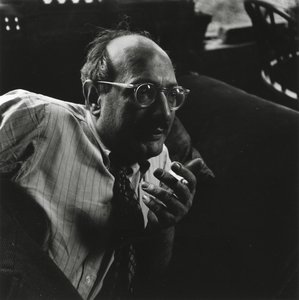
1903 - 1970 , Lotyšsko

Explore the profound emotional depth of Mark Rothko's abstract expressionism. Discover the history, techniques & lasting impact of this pivotal Color Field painter. Expert insights for collectors and art enthusiasts.

Explore the captivating world of Color Field painting! Discover its origins, key artists like Rothko & Newman, philosophical depth, and lasting influence on modern art. Expert insights for collectors.

Explore the vibrant world of Gene Davis and the Washington Color School. Discover his iconic stripe paintings, innovative techniques, and lasting impact on American abstract art. A deep dive for collectors & enthusiasts.

Explore the groundbreaking abstract expressionism of Morris Louis, a pioneer of Color Field painting. Discover his innovative techniques, influential series & lasting legacy in post-war American art. Learn more at Most-Famous-Paintings.

Explore the captivating world of Beatrice Parsons, a pioneering British abstract expressionist. Discover her journey from garden watercolors to evocative color field paintings and learn about her place within art history.


Buďte na tahu s nejnovějšími novinkami ze světa umění, exkluzivními nabídkami a inspirativními nápady na dekoraci.
Sdělte nám více o svém projektu a naši odborníci na umění vám připraví 3 personalizované návrhy uměleckých děl.
Nechť pro vás vybereme 3 možnosti – zdarma!


 Náhled
 Sdílet
 Sdílet
 Podrobnosti o díle

 Stáhnout
 Podobné položky
 Rentgenové snímky
 Slideshow
 Zobrazit více







 Skleněná varianta je dostupná pouze u rozměrů menších než 110 cm